Bridal jewellery styles have changed drastically over the decades. From the extravagant luxury of the early 1900s to the minimalism of the 90s, each era cultivated its own unique aesthetic, often influenced by shifting culture and celebrities.
For modern brides, the last 120 years of jewellery provides the perfect pool of inspiration. Explore the iconic bridal looks that have shaped the 20th and early 21st century, and discover how elements from each era can be reimagined to create a style that feels entirely your own.
Early 1900s
The 20th century was hailed in with elegance and opulence. This era was known as the Belle Époque, and the jewellery was defined by intricate detailing and lace-like designs. Platinum, silver, and white gold were the metals of choice, and pearls were seen frequently alongside diamonds.
Swinging into the 1920s and the Jazz Age, bridal styles followed the popularism of Art Deco. Brides wore statement drop earrings and sautoir necklaces, with the elongated shapes complementing the long, straight lines of the current clothing trends.
1920s engagement rings tended to be extravagant, with halo settings, geometric shapes, and bold colours. The filigree and preference for silver and platinum from the early 1900s were still present, but had been enlivened with gemstones and glamour.
The 1930s followed quickly after, leaning heavily into platinum and white gold. There’s a blend of the Belle Époque and the Jazz Age in 1930s jewellery, where the geometric shapes of Art Deco sit alongside the pearls and refined femininity of the early 1900s.
Mid-Century (1945-1969)
In the wake of the Second World War, bridal jewellery was influenced by both minimalism and the emerging Retro Moderne style, which focused on bold colours and the nostalgic charm of past eras.
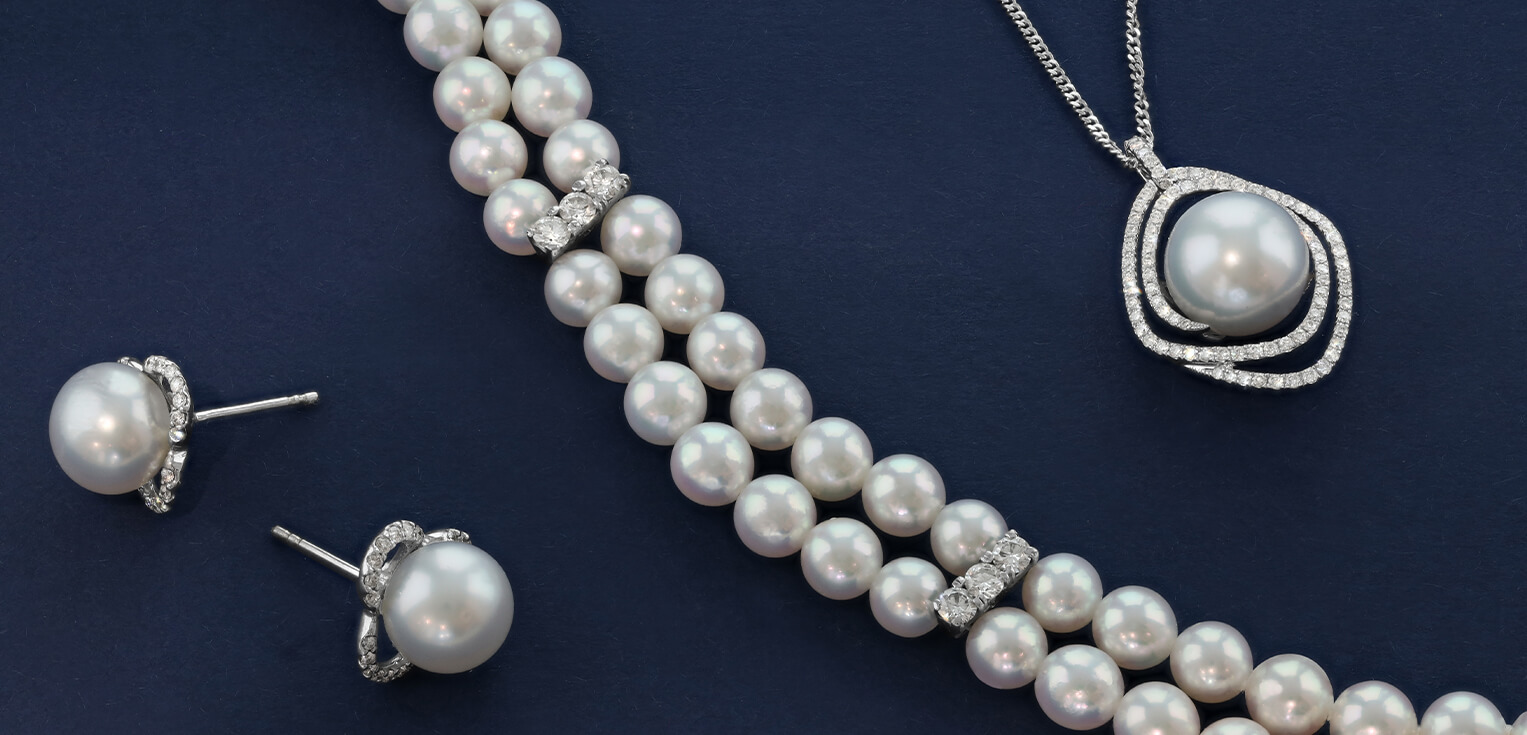
Hollywood was heavily influencing trends by this point, and the likes of Audrey Hepburn and Marilyn Monroe popularised a glamorous look of pearls, diamond studs, and elegant, coordinated sets.
At the same time, advancements in gemstone cutting and setting techniques allowed for greater experimentation. Cluster rings and illusion settings gave the appearance of larger stones, for instance, while maintaining the overall minimalism of the era.
The solitaire ring was a triumph of mid-century jewellery, often with a sleek bezel and prong setting that allowed the diamond to take centre stage.
At the same time, there was a more maximalist aesthetic fighting back against the post-war era. Jackie Kennedy’s famous toi et moi Van Cleef & Arpels ring (1953) highlighted a changing mood in fashion, where colour and impressive architectural designs were bringing optimism to mid-century jewellery.
1970s
The 1970s were the era of boho chic. Bridal jewellery was heavily focused on playful styles and natural elements, including a colourful collection of gemstones – Elizabeth Taylor’s emeralds and rubies could be an era in their own right.
Drop earrings and large studs were statement pieces, and yellow gold was the metal of choice.
It’s also worth noting that Jackie Kennedy altered her engagement ring in 1962, adding marquise-cut diamonds to replace the baguettes. This became a staple of 1970s rings, with the marquise-cut one of the most iconic looks of the decade.
Cocktail rings were a less traditional approach to 70s bridal jewellery, famed for their colourful gemstones and oversized, curved designs. Glam rock stars and disco brought life to this playful jewellery trend, turning the decade into one of metallic maximalism.
1980s
The 1980s continued what the 70s had begun. Bold, glamorous, and certainly not shy, bridal looks focused on statement jewellery to match the puff sleeves and large hairdos.
The round brilliant cut was a popular choice for diamonds, while gemstones came into their own. Princess Diana’s huge blue sapphire in a halo setting defined the decade, cementing the 80s as an era of colour, opulence, and fun.
1990s
As the maximalism of the previous decades died down, the 90s took a breath and opted for a more minimalist approach to bridal jewellery. Fine silver necklaces, small pearls, and teardrop earrings characterise the dainty aesthetic of a century reaching its end.
Engagement rings shed their gemstones and geometric cuts, favouring plain bands and classic diamond cuts. Sleek, low settings were designed to be both practical and beautiful, bringing understated elegance to bridal looks.
Pear-shaped diamonds were particularly popular, but the brilliant cut took the crown for the end of the 20th century.
2000s
The early 2000s paved the way for a happy medium between maximalism and minimalism. High-shine metals and halo settings were all the rage, while rose gold saw a rise in popularity that marked the dawn of a new millennium.
Alongside rose gold, white gold and platinum were the on-trend metals. Bands became thinner and diamonds often smaller, but with multiple stones used for a sparkling, glitzy aesthetic.
If celebrity culture had influenced the looks of the 70s, 80s, and 90s, by the early 2000s, it dominated trends. Iconic engagement rings of the decade include Jennifer Aniston’s spiral pavé band, Jennifer Lopez’s pink diamond, and Beyoncé’s emerald-cut.
2010s
The 2010s embraced individuality. While minimalism remained influential, it was reimagined through delicate layering, fine bands, and subtle detailing that elevated simple looks.
Rose gold continued its rise, often paired with pavé bands and micro-settings that bordered the central diamond. Oval and cushion-cut diamonds surged in popularity, offering a softer alternative to the classic round brilliant, while vintage-inspired rings (think milgrain edges and halo setting) made a strong comeback.
Kate Middleton reinvigorated love for sapphires with Princess Diana’s engagement ring, showing the importance of heirloom jewellery. Coloured gemstones then re-emerged, often as thoughtful accents in understated, romantic designs.
Other iconic rings included Amal Clooney’s emerald-cut diamond, Meghan Markle’s cushion-cut diamond and micro-pavé band, and Scarlett Johansson’s light brown oval diamond engagement ring.
Modern Bridal Jewellery
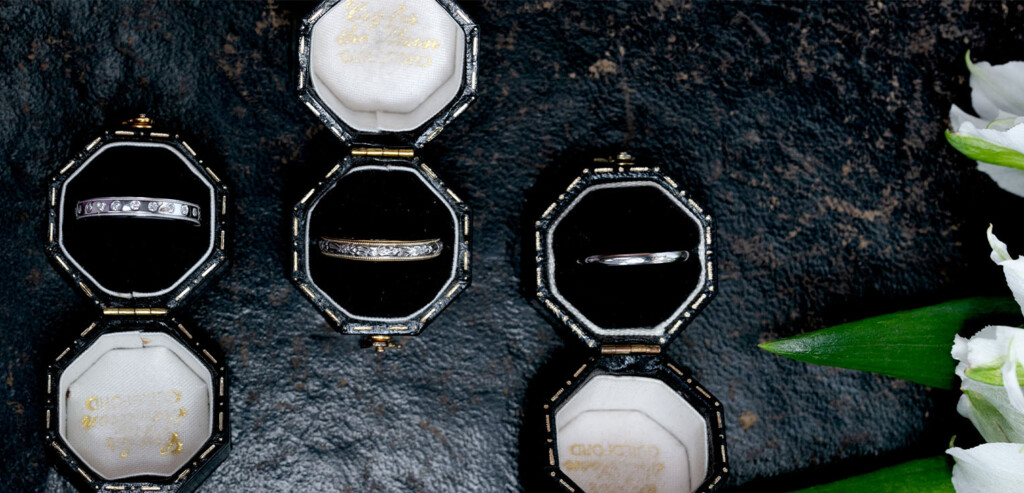
Today, we see a multitude of influences shaping bridal looks. There’s high demand for vintage jewellery, for instance, with antique rings, necklaces, and earrings from across the decades enjoying a renewed appreciation.
For new bridal jewellery, lab-grown diamonds have become a popular choice, favoured for their more sustainable and ethical sourcing process. They’re also significantly cheaper, making fine jewellery more accessible for modern brides.
There’s still a minimalist aesthetic that’s prevailing over the bridal looks of the 21st century. Fine, single-layer necklaces and dainty drop earrings feel like an updated version of the refined Belle Époque era, where a single statement piece is favoured over maximalist styles.
So far, the biggest influence on bridal jewellery of the 2020s is Taylor Swift’s engagement ring. Her unique old mine cut diamond and yellow gold band is likely to shape future styles, bringing a resurgence of vintage charm into bridal jewellery looks.
Browse Our Bridal Jewellery Collections
Whether you’re inspired by the vintage charm of the early 1900s or enjoy the simplicity of modern jewellery, we can help you choose the right pieces for your wedding. We have a wide range of antique jewellery alongside more contemporary rings, necklaces, and bracelets.
Browse our Bridal Collection and discover the perfect pieces for your wedding day.