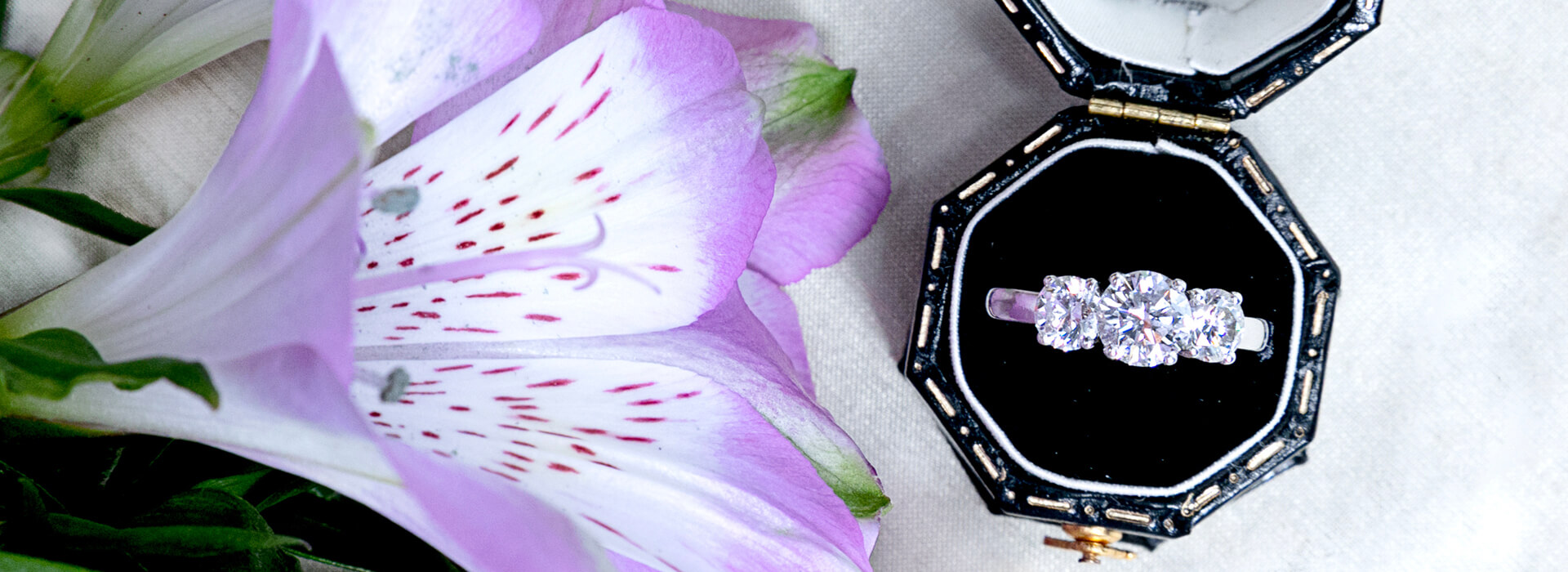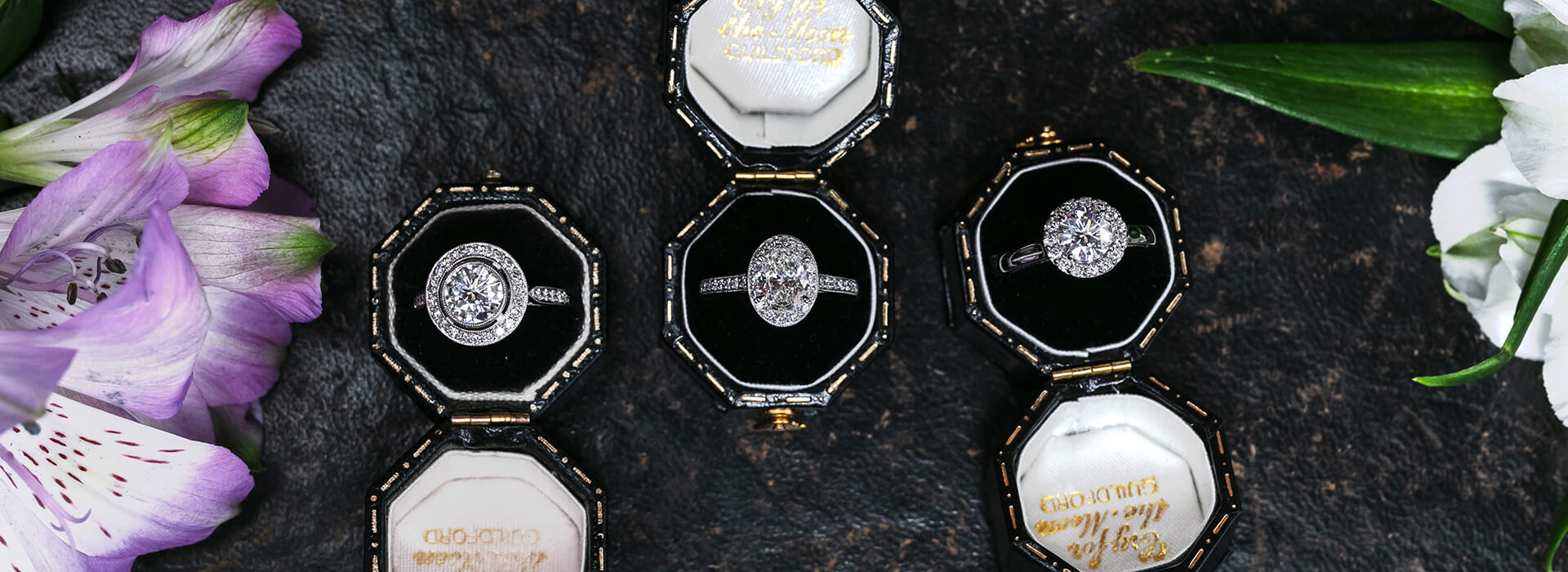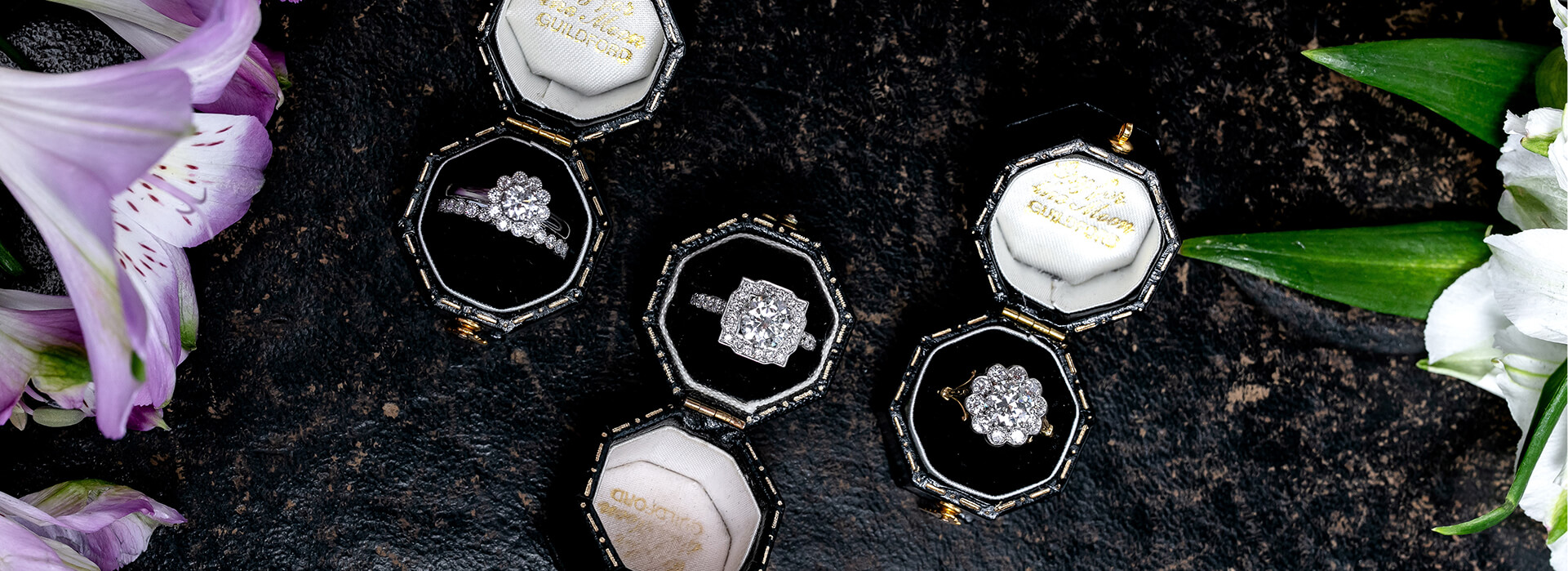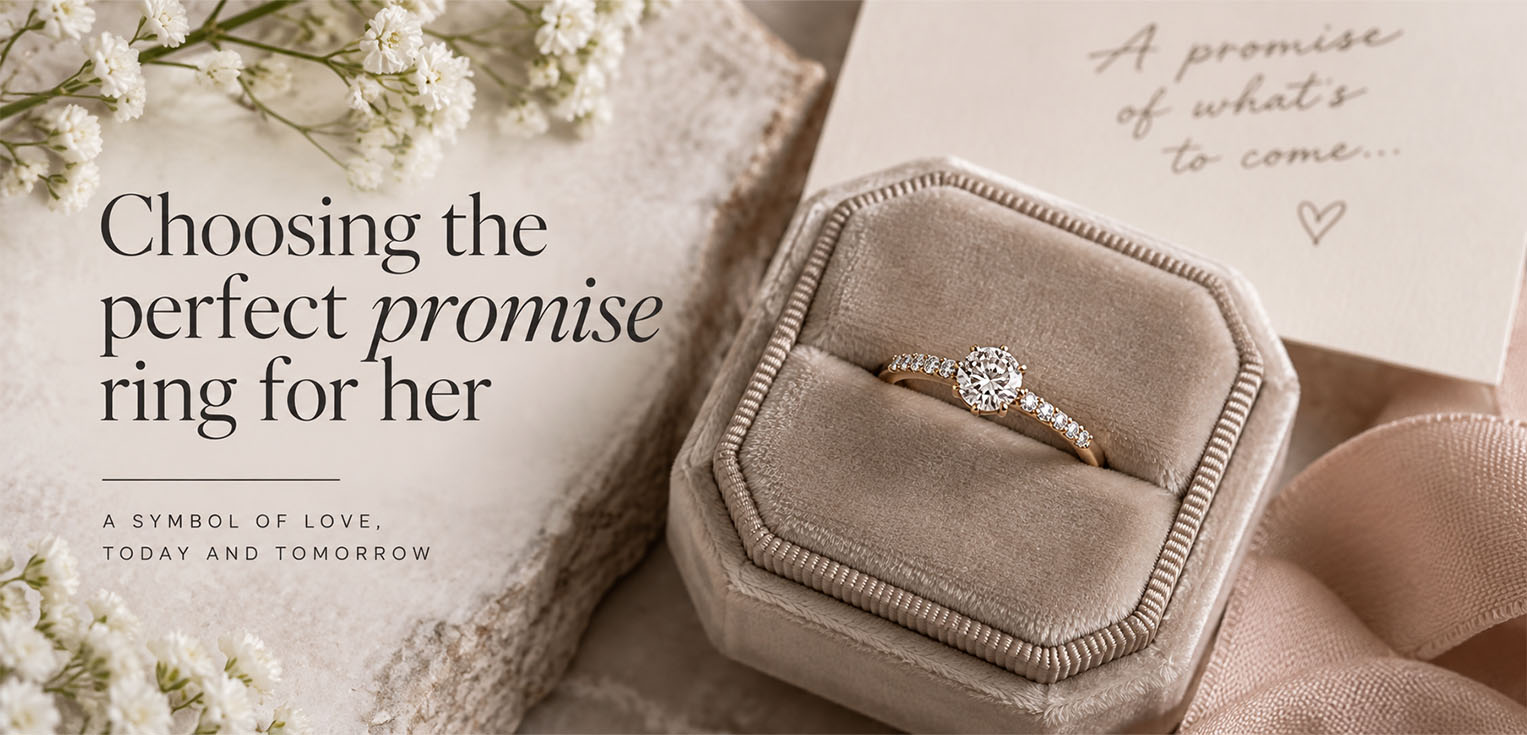
Gold Engagement Rings for Elegant Brides

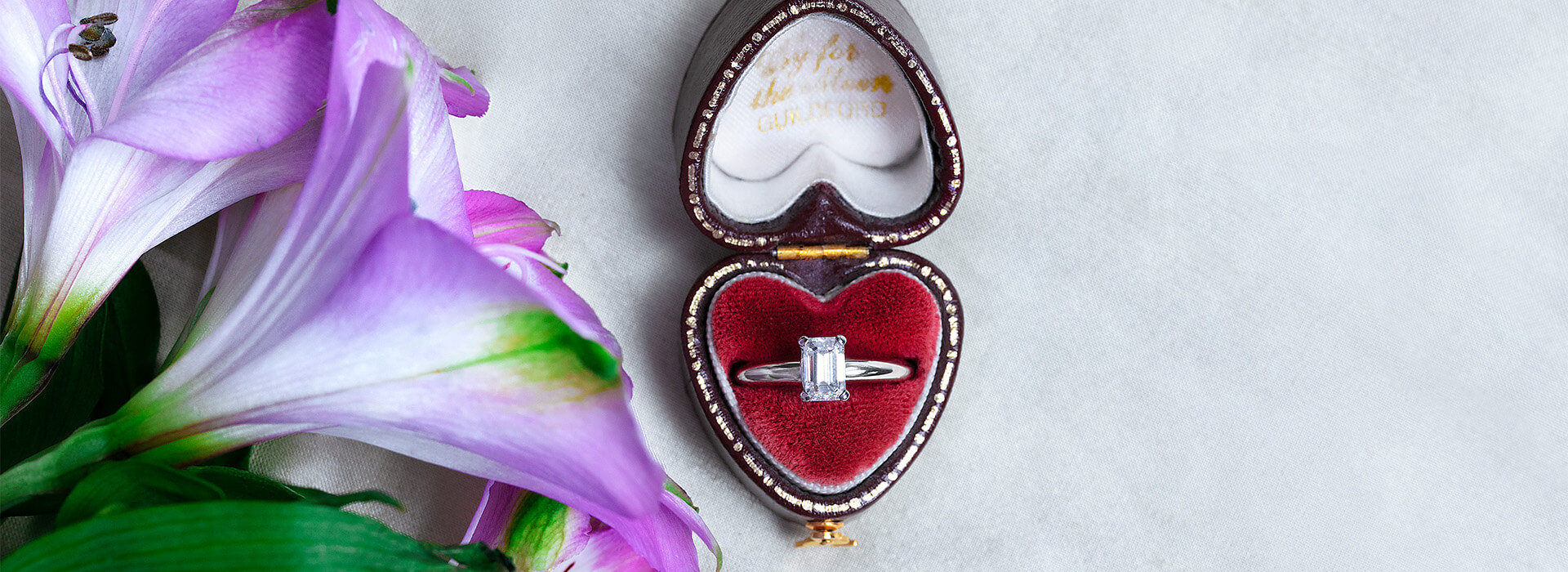
Finding your perfect gold engagement ring can be daunting. With lots of decisions to make and jewellery techniques to decipher, it can be hard to find a ring that suits your style, budget and skin tone for a piece of jewellery that will be adorning your ring finger forever.

Whether you’re choosing for a loved one ahead of a proposal or you’re selecting your own engagement ring, here are our top tips to help you find your perfect ring to mark your engagement.

Selecting your perfect shade of gold for your engagement ring

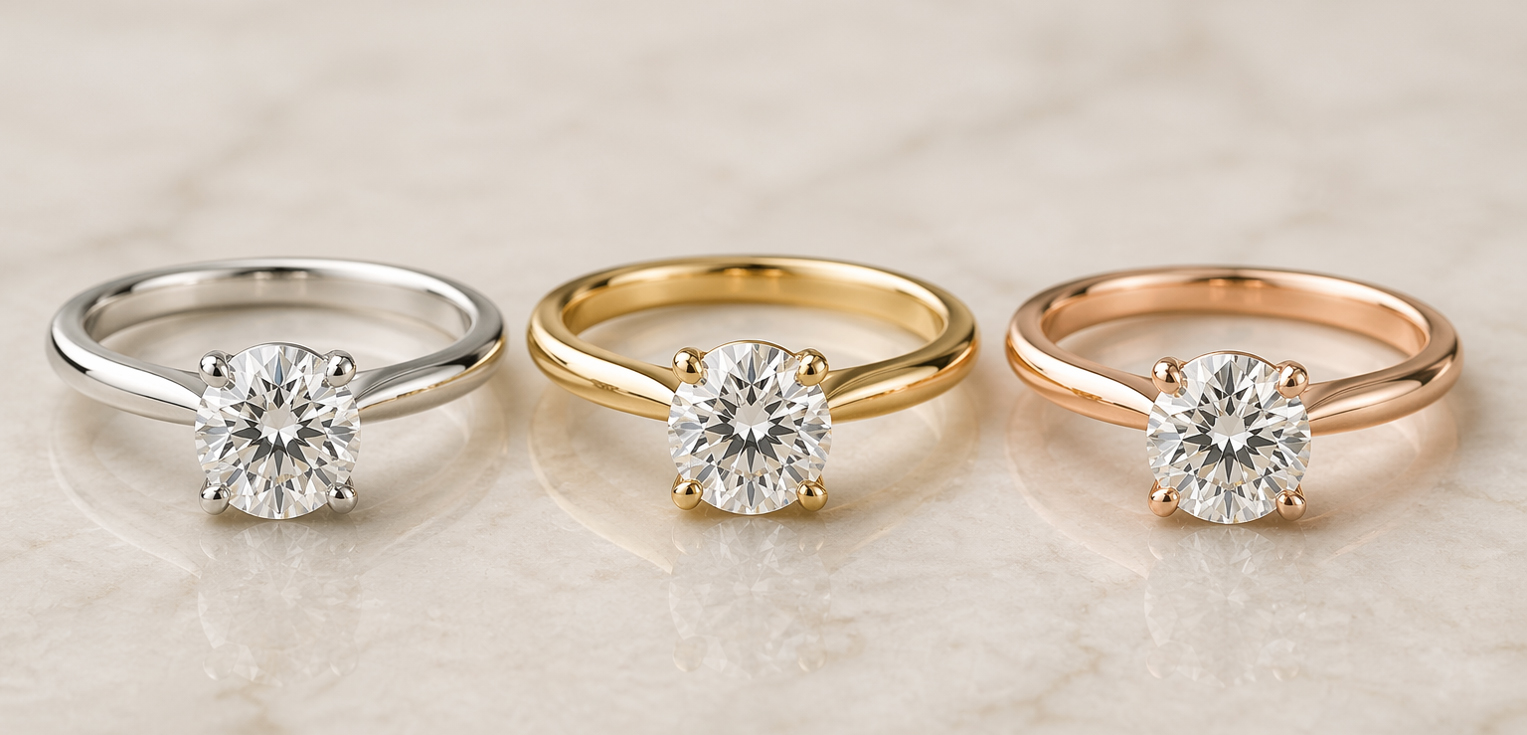
Yellow Gold

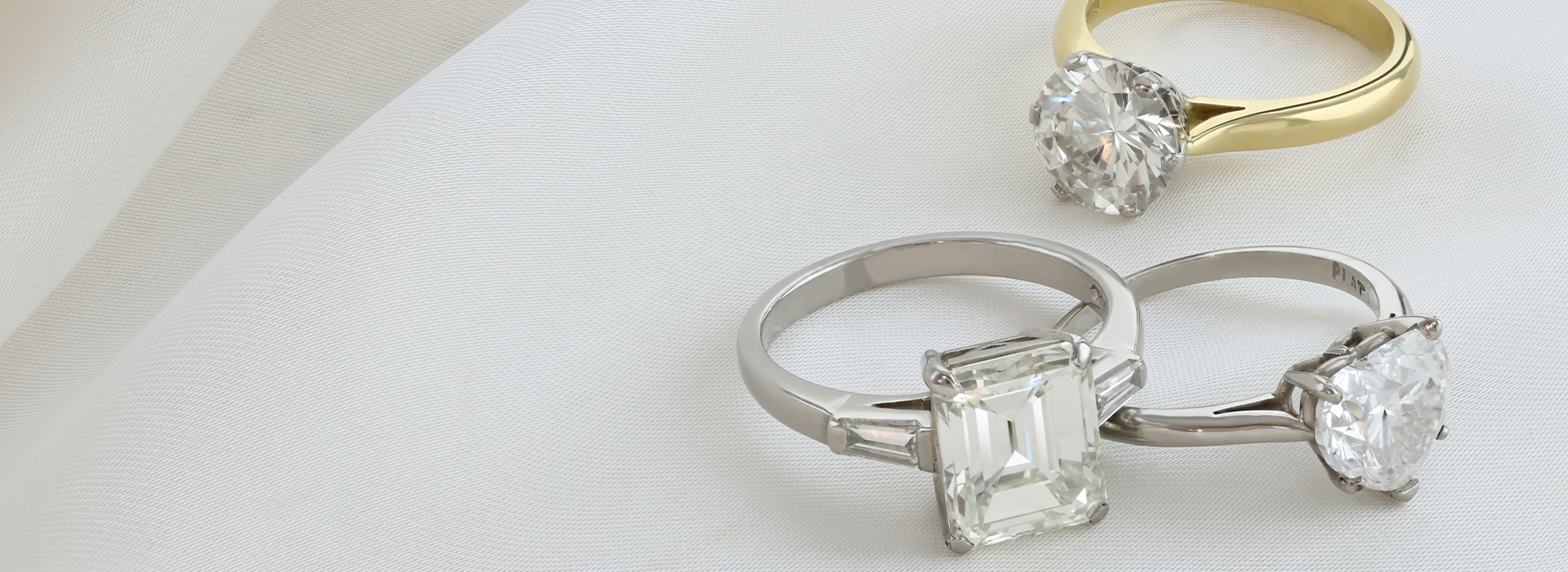
Yellow gold is likely what you think of when referring to ‘gold’. It is a beautiful warm-toned metal. Depending on the carat, yellow gold may be mixed with some other metals to create an alloy.

Yellow gold is a timeless option that is versatile for many styles, from traditional and vintage to contemporary and minimal.

White Gold

White gold is a cooler tone, making it similar in colour to silver but with more strength. White gold is created by mixing white metals, like palladium, or nickel in with pure gold to create an alloy then often coated with rhodium to give it a bright ‘white’ finish.

While white gold has been used for over 100 years, Art Deco jewellery really helped boost its popularity as a contemporary, chic and cheaper alternative to yellow gold or platinum.

It is a good option for fans of silver and cool-tones in their jewellery or clothing collections.

Rose Gold

Rose gold is a unique option that is a pink-toned metal which tends to be a good neutral option, not leaning too warm or too cool.

Rose gold is created by mixing copper with yellow gold. Different amounts of copper mixed into the alloy can result in darker or lighter shades of rose gold, ranging from subtle pink hues to deeper redder rose gold.

While rose gold was present in the 19th century, it rose to popularity from around 2012 and continues to be a fashionable, contemporary choice in wedding and engagement rings.

Mixed metals

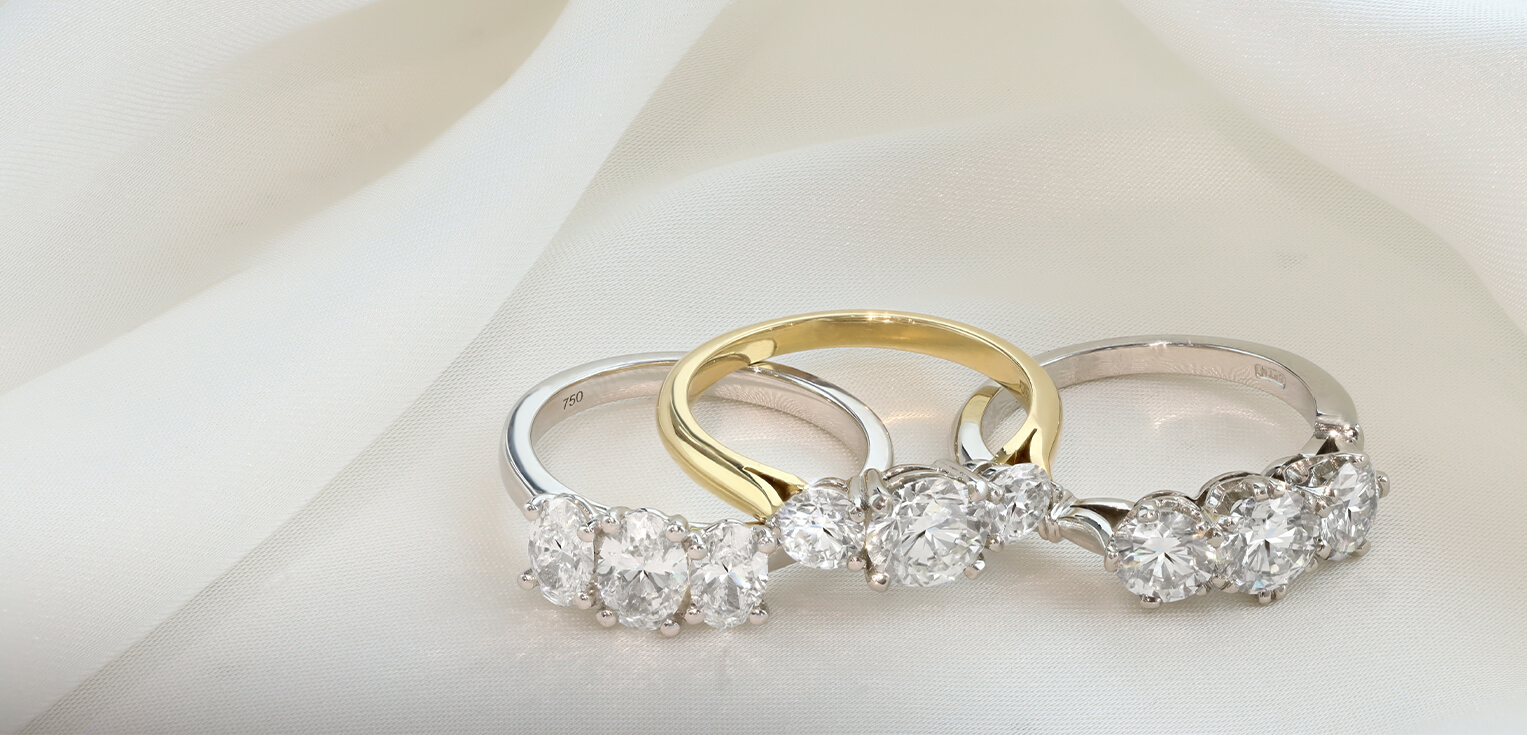
Mixing metals is a fashion-forward choice to channel modern jewellery trends, giving you the option to choose two or more types of gold in your engagement ring or in your wedding ring stack.

This allows you to be creative and unique, and express your personal style. It is a great option if you wear various tones of jewellery, so you can mix and match.

From cooler toned white gold to warm yellow gold, versatile rose gold to modern mixed metals, selecting the gold that complements your skin tone, and matches your wider jewellery collection and preference.

What carat gold should you choose for an engagement ring?

Once you have selected the type and tone of gold for your engagement ring, you can now think about more details, such as the quality of the gold and how many carats you want.

Carat refers to the purity of the gold. The higher the carat, the higher the percentage that gold makes up of the alloy.

  • 9 carat is the most common carat for jewellery you might wear daily. It is made up of around 37.5% pure gold, making it more affordable but with the risk of tarnishing over time.
  • 14 carat has slightly more pure gold, at 58.3%, making it more durable.
  • 18 carat is often considered the ‘ideal’ purity for gold and is a popular choice for both wedding and engagement rings. It is made up of 75% pure gold.
  • 24 carat is the most expensive option, with 99-100% pure gold. It often has a very bright, vibrant colour, though it is very soft, making it a less popular choice for engagement rings that are worn every day.

The most popular carats for gold engagement rings are 14 and 18 carat, as they have a good balance of purity and durability.

Elegant gold engagement ring designs

Classic diamond engagement rings for timeless elegance

Did you know the first recorded diamond engagement ring dates back to 1477? It was commissioned by the Archduke Maximillian of Austria for Mary of Burgundy.

Over 500 years later, a beautiful diamond ring is still a timeless choice for an engagement ring.

From round to radiant, pear-shaped to princess, you can choose your diamond engagement ring shape to suit your style and chosen silhouette. They can also be subtle or a statement depending on the size of the diamond, and it’s often easy to find a wedding ring that will complement a diamond ring, making them a versatile yet stunning option.

Bright and bold gemstone engagement rings

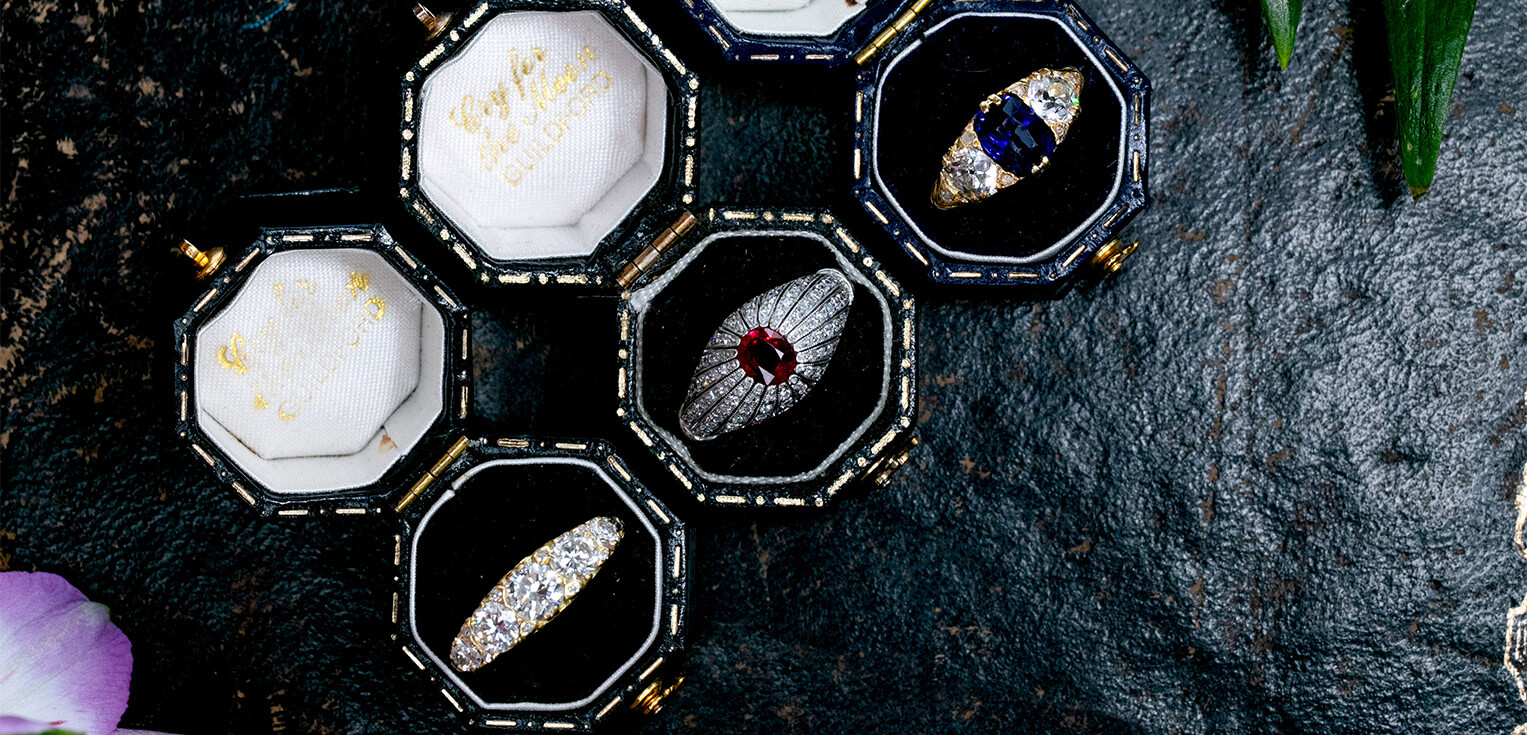
For fans of vibrant colours, selecting a bright, bold, precious or semi-precious coloured gemstone for your engagement ring is a unique option.

From rich red rubies to sparkling sapphires, and everything in between, there are many gemstones that you could select due to preference or sentimental reasons, such as the birthstone of your future spouse.

Chic engagement ring styles for minimalists

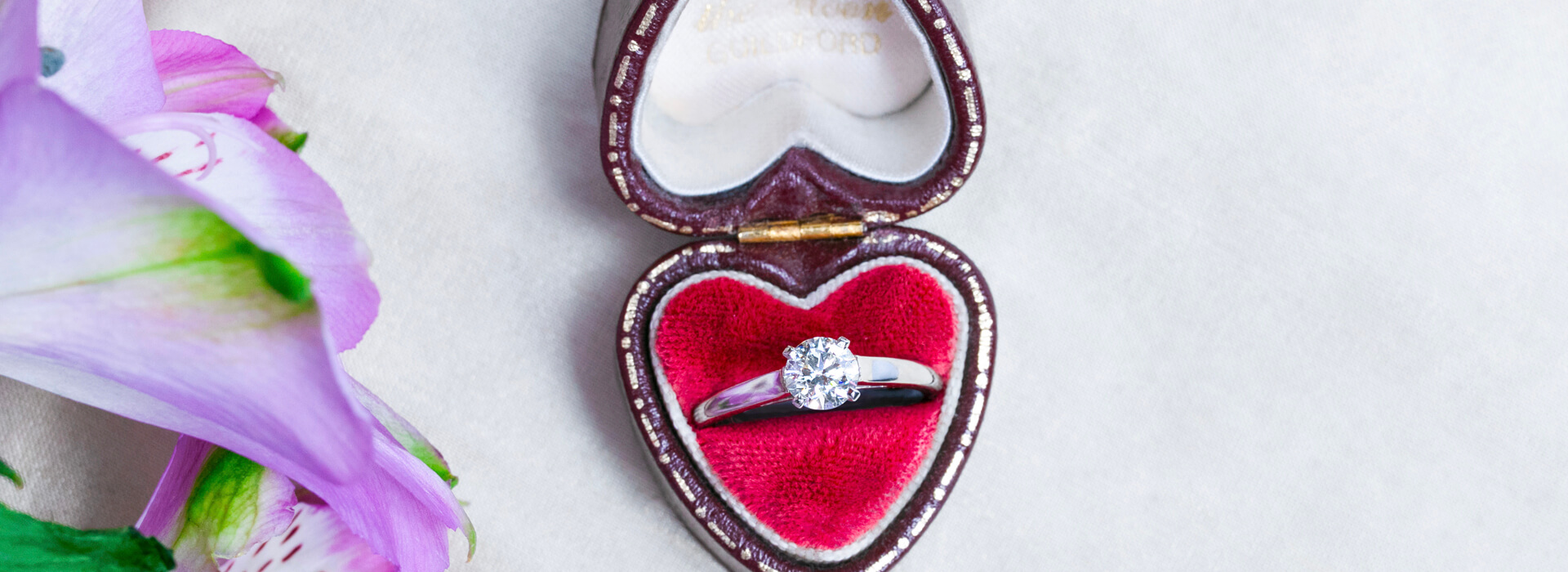
Those looking for more subtle, minimalist options for engagement rings may want to choose a chic solitaire ring that is versatile and can be worn seamlessly alongside other minimalist jewellery.

There are no rules when it comes to engagement rings. If you’re not a regular jewellery wearer, you may want to opt for an engagement and wedding ring hybrid to only wear one ring, with a bejewelled wedding band.

Statement multistone engagement rings

If you want your engagement ring to make more of a statement, choosing a multistone ring will definitely capture attention. Designs like cluster engagement rings and halo rings are a dazzling option.

What else to consider when choosing a gold engagement ring

It can be tempting to find your fantasy engagement ring with no limits. However, it’s a good idea to give some thought to practicality to ensure that you can love and wear your gold engagement ring for years to come.

Budget

Having a clear idea of your budget can help you manage your expectations and only look at rings within your price range to avoid falling in love with something 10 times your budget!

Don’t forget to look for vintage or antique engagement rings, as these are a more budget friendly option.

Wedding ring

If you have a clear vision of what you’d like your wedding ring to be like, make sure that your engagement ring fits with this, both physically fitting next to it but also in terms of style, to create a cohesive wedding stack.

Maintenance

It’s likely you’ll be expecting to wear your engagement ring every day. To help keep its strength and integrity, make sure to give it regular maintenance, from gentle cleaning and storing in a cool, dry space, to removing it before showering or exercising. Paying attention to maintaining your engagement ring will help to ensure you can wear and enjoy it forever.

Final thoughts

When it comes to finding an elegant gold engagement ring, be sure to select something that reflects your personality and preferences, from a diamond or gemstone, to the tone of gold and overall jewellery design.

The Art of Customising Jewellery

If you are looking for a unique piece to add to your jewellery collection, creating a custom item is the perfect way to add a personalised touch. From bespoke jewellery designed from scratch, to adding an engraving or initial to existing designs or swapping a metal type or gemstone, customising jewellery comes in many forms.

In this article, we will guide you through the bespoke jewellery journey from inspiration and ideas, to collaborating with a jewellery design expert and top tips on maintaining your custom jewellery piece to ensure they become heirlooms of the future.

Unique ways to customise jewellery

Adding initials

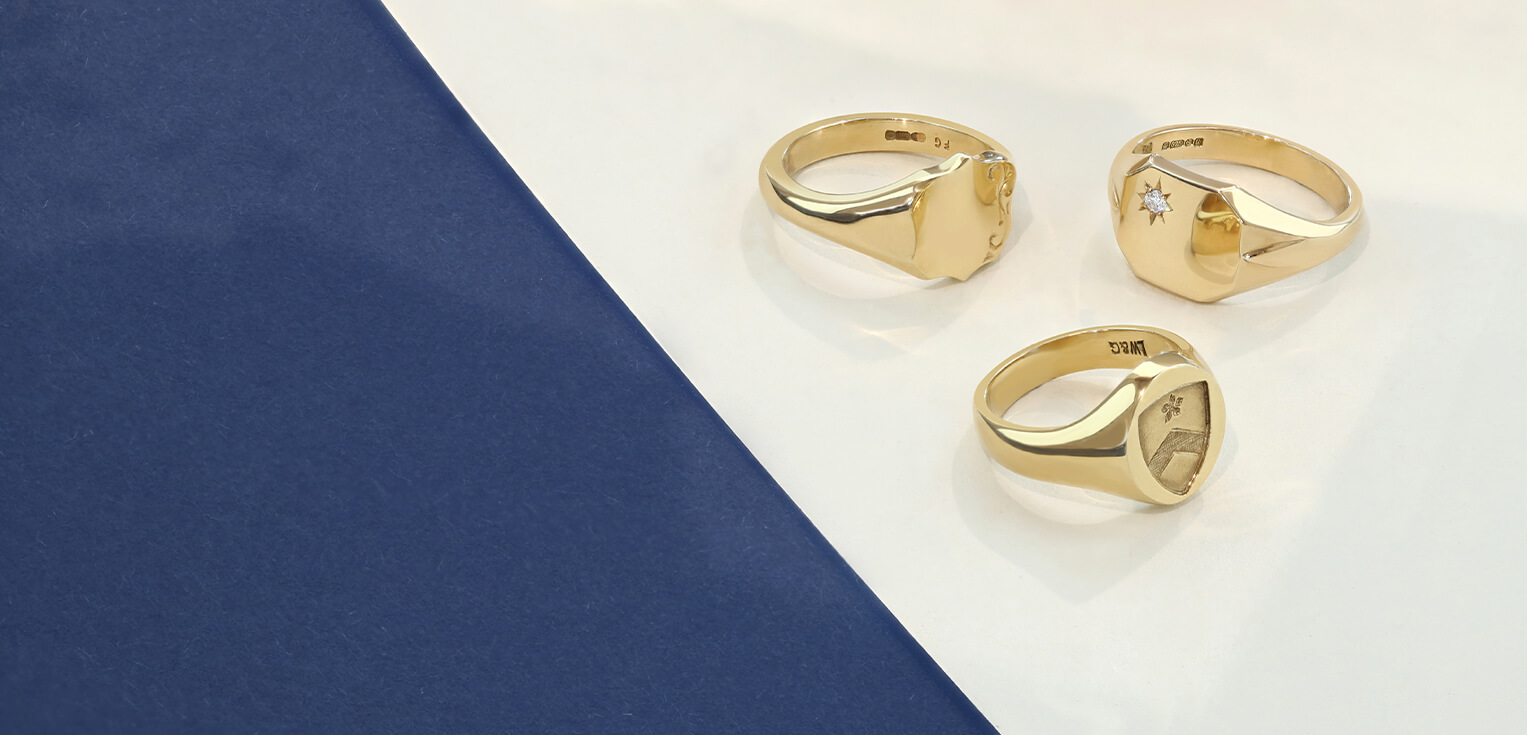
One of the most iconic ways to personalise jewellery is by wearing your initials. From signet rings adorned with your monogram to diamond initial pendants, adding the initial of your first name, or your full initials, is a timeless way to add a touch or personality to your custom jewellery, and is seeing continued growth in jewellery trends.

Engraving

Another way to add some personalisation to your custom jewellery design is to use engraving. Engraving is a process that carves or etches words into metal. It is usually a subtle yet clear way to add a meaningful phrase or word to your personalised jewellery. Popular engravings for jewellery include a favourite quote, song lyrics, a significant date, or the names of loved ones.

Gemstones

Using gemstones as personalisation is a beautiful way to customise jewellery. A popular way to make gemstones personal is to incorporate birthstones into your custom jewellery design. You can even add multiple birthstones to represent the people closest to you, and carry them with you.

There are other ways to personalise with gemstones, though. In Victorian times, gemstones held another secret meaning, allowing people to share hidden messages and love tokens using symbolic jewellery. For example, someone may have given their lover a ring that featured a diamond, emerald, amethyst, ruby, emerald and topaz, or a D.E.A.R.E.S.T ring (look at the first letter of each of the gemstones!) These acrostic rings are a subtle and sentimental way to personalise jewellery.

For a modern take on this, you could spell your name using gemstones, or choose a gemstone that shares your initial, or initials.

Horoscope and star signs

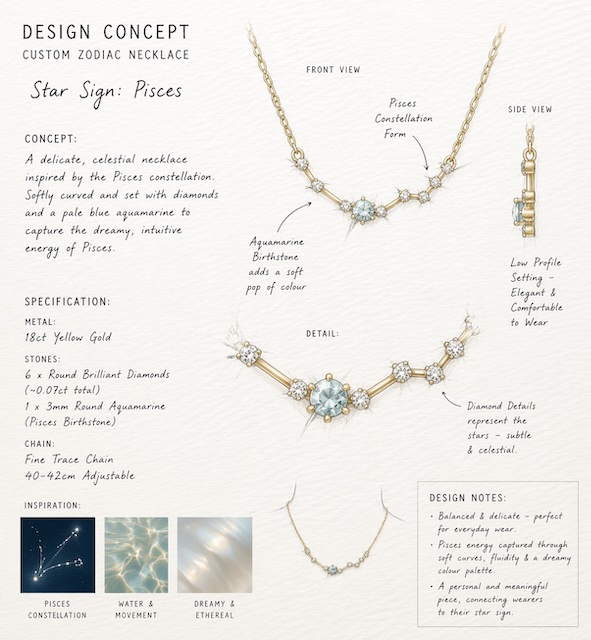
Similar to birthstones, another way to personalise jewellery is to look at your star sign. Each star sign has a constellation and a corresponding symbol, and often an object that represents it. Any of these could be incorporated in a subtle or more overt way when creating custom jewellery.

The horoscopes, and their related symbols and representations, are:

  • Aries (Mar 21-Apr 19) – represented by a ram
  • Taurus (Apr 20-May 20) – represented by a bull
  • Gemini (May 21-Jun 21) – represented by twins
  • Cancer (Jun 22-Jul 22) – represented a crab
  • Leo (Jul 23-Aug 22) – represented by a lion
  • Virgo (Aug 23-Sep 22) – represented by the maiden
  • Libra (Sep 23-Oct 23) – represented by a set of scales
  • Scorpio (Oct 24-Nov 21) – represented by a scorpio
  • Sagittarius (Nov 22-Dec 21) – represented by an archer, or an arrow
  • Capricorn (Dec 22-Jan 19) – represented by a goat
  • Aquarius (Jan 20-Feb 18) – represented by water, or waves
  • Pisces (Feb 19-Mar 20) – represented by a fish

Metals and materials

Customising jewellery doesn’t always have to mean making it uber personal with names and initials. You can also customise jewellery by selecting the materials that most suit you. From choosing the best metal tone to suit your skin tone, to selecting your favourite gemstones or embellishments, you can customise existing designs by tweaking small elements to make it feel more like you.

Working with a trusted jewellery designer

Now you have a clear idea of how you want to customise your jewellery, it’s time to select a jewellery designer who can turn your vision into a reality. Collaboration is key, so working with a skilled jewellery designer and maker who can transform your ideas and inspiration into a tangible piece of jewellery is vital.

Creating bespoke jewellery is a fine art, and it requires lots of knowledge of techniques.

How does the bespoke jewellery process work?

Firstly, you’ll have a consultation with the designer. Here, you can share your inspiration and ideas. We suggest taking pictures or moodboards to help illustrate what you like to ensure you’re being as clear as possible.

The designer will likely ask questions to help clarify the brief, such as your budget, metal preferences and possibly some lifestyle or jewellery wearing habits, to help ascertain the best materials and design style for your custom piece.

They will also take measurements at this stage, and give you an idea of timelines to create your custom jewellery.

Next, the designer will take all of this information and create a mock-up of your bespoke jewellery piece. This might be a physical or digital drawing, and will be shared with you for feedback. At this stage, they may also share samples of materials or gemstone options.

Once you have agreed on a final design, the jewellery designer will make your one-of-a-kind piece of jewellery.

Caring for your custom jewellery

Careful cleaning and safe storage

Cleaning your bespoke jewellery regularly will not only keep them sparkling, it can also help to maintain the integrity and longevity of your piece. You can easily clean gold jewellery at home with common household products, or treat your jewels to a professional jewellery clean.

Storing your jewellery in a cool, dry place away from direct sunlight will also help to maintain the strength and structure of your jewellery.

Wear with care

While you may never want to take off your brand-new custom jewellery, make sure you remove it before bathing, showering or swimming and when washing up or cleaning will ensure that you aren’t exposing your jewellery to potentially harmful chemicals which threaten to weaken or damage it.

We recommend taking off jewellery when exercising and while you sleep to avoid causing breakages.

Insurance

For investment pieces that have great sentimental as well as financial value, you may want to consider insuring your bespoke jewellery for peace of mind.

Final thoughts

When it comes to the art of custom jewellery, partnering with jewellery designers who can turn your inspiration into a reality, listen to your wants and needs and combine this with their knowledge and expertise will result in a truly bespoke piece that is unique to you.

Our designers are experts in turning ideas into one-of-a-kind jewellery pieces. Get in touch to have a conversation about your custom jewellery design.

A Guide to Picking Vintage Wedding Rings and Accessories

Planning a vintage-inspired wedding means choosing period appropriate pieces that fit your desired era, from flowers and colour palette to your wedding attire and jewellery!

Creating a vintage themed wedding can be hard without a defined decade or era to look to for inspiration. Finding a vintage style era that resonates with you and your spouse’s style can serve as a starting point to discover the design elements that you can incorporate into your big day.

In this guide, we will share our top tips when it comes to picking vintage wedding rings and jewellery accessories for your vintage themed wedding, and help you channel styles of the past in a modern way.

What is a vintage wedding theme?

When it comes to picking vintage wedding rings it can be helpful to try and define the decade or era you are most drawn to, or that your wedding theme aligns most closely to.

Unlike antique jewellery, which is more rigidly defined as items over 100 years old, the term ‘vintage’ is generally thought of as being between 50 and 100 years old.

However, vintage wedding themes can take a broader approach, and may include influences and inspiration from many eras, decades and design styles, from Georgian and Victorian to Art Deco and Hollywood Glamour.

In this article, we will use ‘vintage’ to refer to things that are ‘of the past’. To help you choose vintage wedding rings and accessories that fit your favourite vintage era, it’s important to understand the defining features, materials and motifs featured in jewellery design of the time to help you create a cohesive look for your wedding day, and beyond!

Define your decade

Glamorous Georgian designs (1714–1837)

Channel your inner Bridgerton with decadent Georgian jewellery. Gemstones were all the rage in Georgian designs, and jewellers of the time enhanced the colour and brightness of the gemstones with foil backing.

This period also emphasises the handmade and craftsmanship of the artisans who created the jewellery, meaning imperfections were celebrated rather than hidden.

Victorian Era Jewellery (1837-1901)

Victorian jewellery design was rich with symbolism and hidden meanings or motifs. Look out for floral and filigree patterns, serpent and heart designs if you are looking to emulate the elegance of Victorian jewellery.

Cameo brooches and mourning jewellery were also very popular at this time.

Art Nouveau (1890s – 1914)

Art Nouveau spans the late 19th century up until the outbreak of the First World War in 1914. Art Nouveau is heavily inspired by the Arts and Crafts movement, drawing inspiration from nature, with lots of naturalistic shapes, earthy tones for gemstones, like amber and celestial notes, like opals and moonstones.

Art Deco (1920s – 1940s)

Art Deco jewellery designs are elegant, streamlined and geometric, in a distinctly timeless way, making them appear modern even today. Channel art deco modernity on your wedding day with sleek lines and graphic shapes, or opt for Chanel-inspired strings of pearls!

Old Hollywood (1950s and 1960s)

Inspired by glamorous movies, Old Hollywood jewellery is all about sparkles. Think diamond necklaces, pearls and platinum, and cluster cocktail rings (remember to wear these on your right hand so you don’t distract attention from your wedding stack!).

How to incorporate vintage jewellery into your wedding day

Elegant vintage engagement ring

Set the tone for your wedding theme from the beginning with a beautiful vintage engagement ring.

Whether you are selecting your engagement ring together with your future spouse, or dropping some heavy hints, having a vintage style engagement ring can help you to define your wedding theme, and inspire design elements for the big day, like your colour scheme, wedding stationary or even your attire for the big day.

Choosing the perfect vintage wedding ring

Another fantastic way to incorporate your vintage theme into not only your wedding day, but your marriage too, is by carefully selecting your perfect vintage wedding ring.

The beauty of and vintage wedding rings are the exquisite craftsmanship and high-quality materials that have been used to make them, meaning they are long-lasting and often one-of-a-kind due to their age.

Pairing a vintage engagement ring with a matching vintage wedding ring will help you create a unique wedding stack that’s personal to you and full of memories and meaning.

Vintage cufflinks

Cufflinks have been worn since as early as the 1600s, and have been a staple in menswear ever since. Much like other jewellery pieces, cufflink styles have reflected the jewellery trends and designs in fashion at the time.

So, a pair of vintage cufflinks make a perfect timeless gift for grooms, best men or groomsmen. Not only will they fit the theme of your wedding, they are also a practical gift that the recipient can wear on special occasions afterwards – like on wedding anniversaries for the groom!

Bridal brooch

Embrace the elegance of the Regency era (1795 -1837) with a statement brooch. Originally known as a stomacher, these pieces of jewellery were large, triangular shaped ornaments that were worn on the bodice.

Modern adaptations of this could be a brooch attached to a belt of a wedding dress, or added to the ribbon of your bouquet. A sapphire brooch can even act as your ‘something blue’!

Decorate your decolletage with a beautiful necklace

Another elegant way to embrace vintage jewellery on your wedding day is with a vintage necklace. Often, wedding dresses accentuate the decolletage area, so highlighting this further with a vintage necklace can really draw attention and balance your bridal look.

Along with finding a necklace style that suits your wedding dress neckline, look for pendants that channel your chosen design decade, from pretty pearls to an engraved locket.

Final Thoughts

From glamorous regency gemstones or symbolism-rich Victorian jewels, to nature inspired art nouveau or sophisticated, streamlined art deco, there are so many eras and designs to choose from when it comes to vintage wedding jewellery.

Creating a cohesive vintage-inspired wedding can be really exciting, giving you the chance to research designs of the past and source authentic or vintage-inspired accessories that fit your theme.

Birthday Jewellery Gifts for a Memorable Day

From marking a milestone birthday to small tokens of your appreciation, finding the perfect present can be hard, trying to balance something personal and sentimental, while also feeling like a special treat.

Jewellery is a perfect gift for a friend or family member’s birthday that can be worn daily or on special occasions and remind their recipient of your relationship, making it a thoughtful option for your nearest and dearest.

In this article, we will help you select special jewellery for birthday gifts for him or her, with top tips to make them personal, practical, and suited to their preferences.

Memorable jewellery gifts for her birthday

Elegant earrings

Commemorate all of the times you’ve lent them an ear, and listened to their stories with a pair of elegant earrings – though be sure to check they actually have pierced ears before purchasing earrings!

From simple but stunning stud earrings, to contemporary, chic hoops or a pair of statement gemstone drop earrings, select a pair that most suits their hairstyle and jewellery taste.

Matching jewellery for best friend’s birthday presents

Put a sophisticated spin on childhood ‘best friend’ from your youth and treat yourself and your bestie to some matching jewellery!

Whether you want to have an exact match, or ‘same but different’, like the same item in different metals or gemstones, giving your friend jewellery that you’ll both cherish is a sentimental way to keep each other close and in each other’s minds, even if you’re apart.

Classic jewellery gifts for his birthday

Jewellery gifts aren’t just for women! A sentimental, classic piece of jewellery makes the perfect birthday gift for men.

Time pieces

One of the most classic items of jewellery in a man’s collection are time pieces, from wrist watches to pocket watches.

While smartwatches are increasing in popularity in daily wear, helping keep track of steps and keeping their wearer connected, traditional watches and even pocket watches are a beautiful gift that can be worn on special occasions to elevate an outfit and enhance the celebration.

Classic cufflinks

Cufflinks are a perfect gift for male friends or family members. Whether a formal event suit wearer only, or needs to wear suits for their profession, a classic pair of cufflinks are a great gift that will be cherished and can last a lifetime.

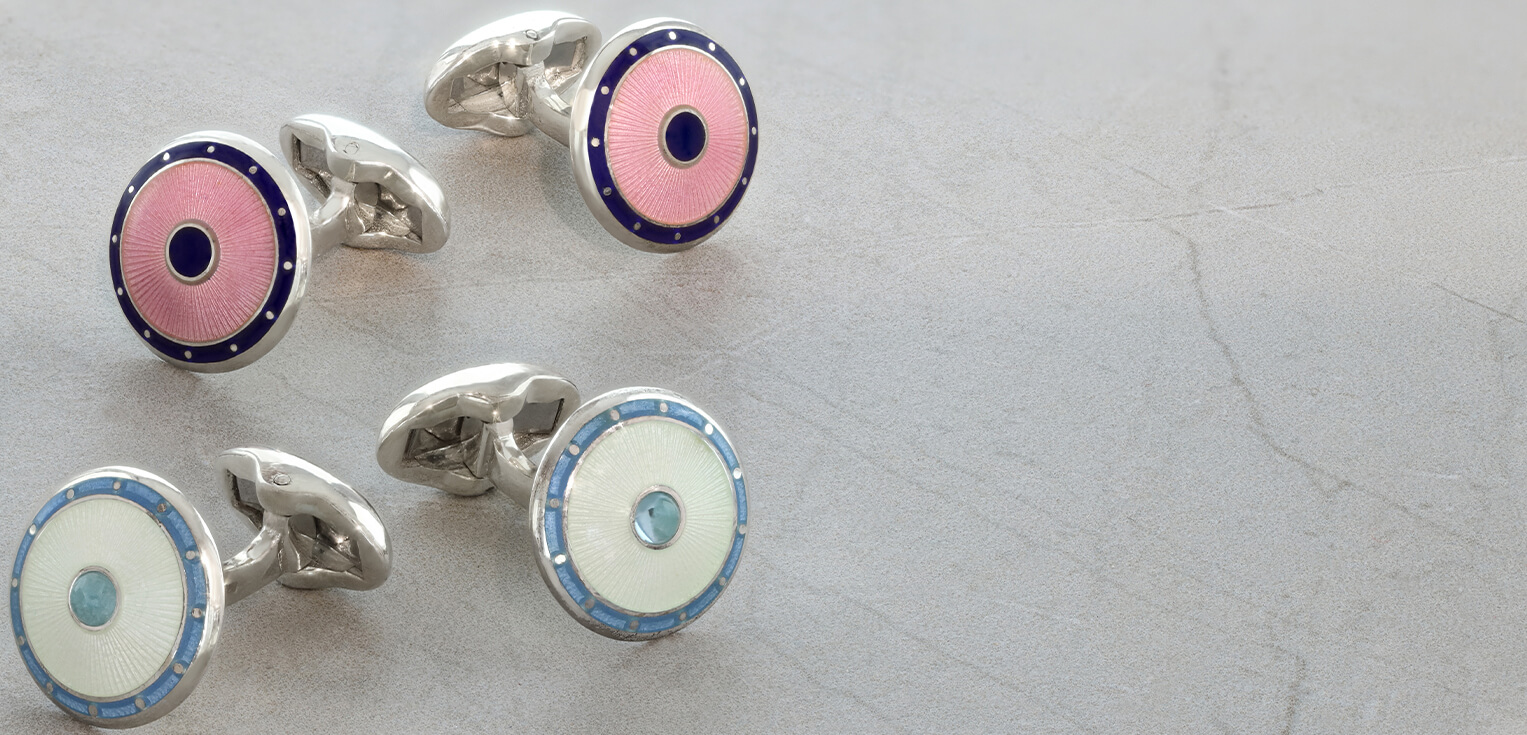
You can help them add a pop of colour to their shirts with eye-catching enamel cufflinks, or lean into the classic style with some sleek, simple gold cufflinks.

Make it personal with uniquely personalised jewellery birthday gifts

Finding subtle ways to personalise jewellery is an incredibly chic way to channel personalised jewellery trends.

Initials

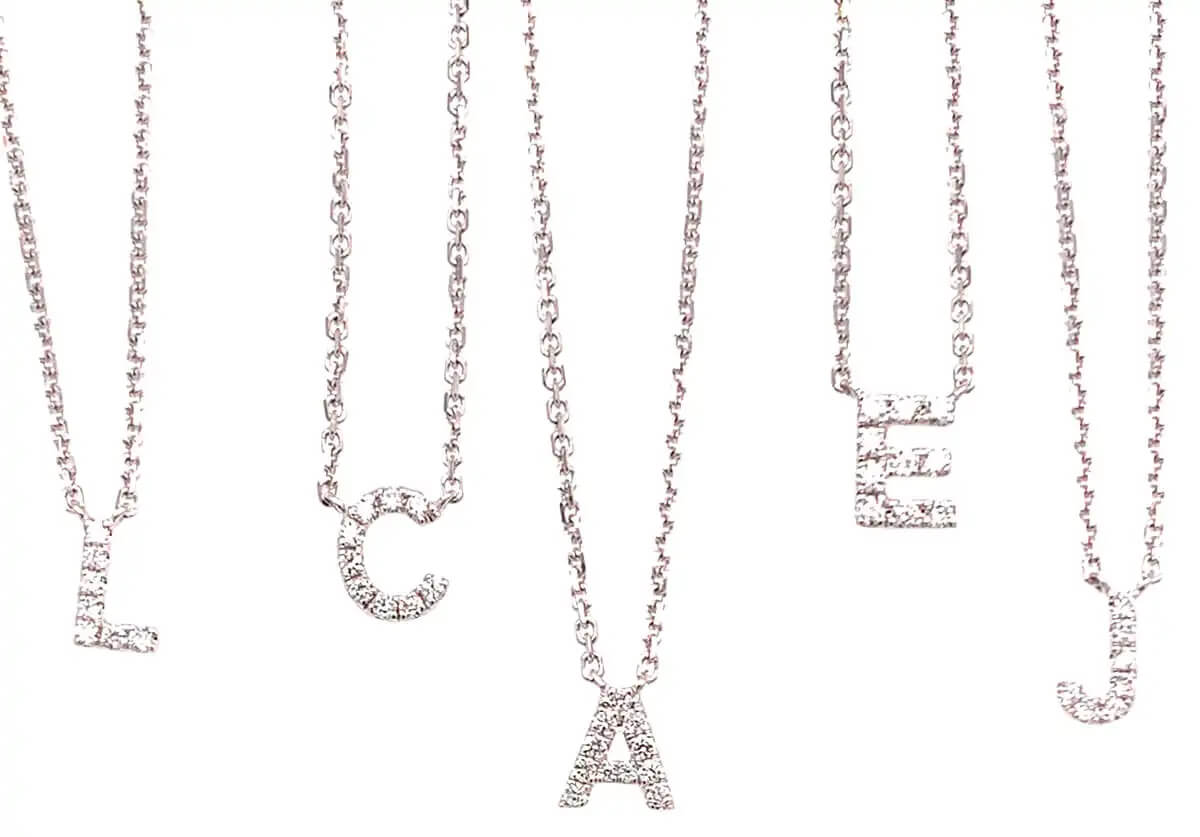
One of the best ways to make a birthday gift personal is by choosing a piece of jewellery with their initial. Initial necklaces are a timeless classic that never go out of style.

From a chunky, bold, block letters bracelet, to a beautiful diamond initial pendant hanging from a delicate chain, choose initial jewellery that fits with their over jewellery style so it’ll fit seamlessly into their collection.

Adding engraved initials onto a signet ring is a great birthday gift for him or her, allowing you to personalise an heirloom that can hold sentimental value for the wearer.

Birthstones

Another brilliant birthday gift that’s uniquely personal is to select gemstone jewellery that features their birthstone! This is a subtle way to add some personalisation, in a really thoughtful way. Vibrant gemstones are a big trend in jewellery this year, so this makes a perfect birthday gift for fashionista friends.

Not sure what your best friend’s birthstone is? Here is a reminder of the birthstones you could choose from:

January: Garnet
February: Amethyst
March: Aquamarine
April: Diamond
May: Emerald
June: Pearl or Alexandrite
July: Ruby
August: Peridot
September: Sapphire
October: Opal or Tourmaline
November: Topaz
December: Tanzanite or Turquoise

Top Tips for selecting jewellery birthday gifts

Knowing their metal preference

Next time you see the jewellery gift recipient, take a quick glance at any jewellery they are wearing to help gauge whether they’re a warm gold gal, a cool silver fan or not afraid to mix metals. This can help you to select jewellery in their metal preference.

If you’re gifting someone who doesn’t wear a lot of jewellery, you can try and match the jewellery to their skin tone, to find the most flattering metal for them.

Adjustable pieces for maximum comfort

Finding out someone’s ring size or preferred necklace length can be tricky. When looking for jewellery gifts for friends or family members, it’s often best to look for universal or average sizes when it comes to bangles or necklace lengths.

Better yet, look for pieces that are adjustable, like chains with extenders to allow the wearer to choose to wear it shorter or longer depending on their preference or their neckline style. Open style rings are also often adjustable meaning the recipient can change up what finger they wear them on and ensure that the ring still fits perfectly.

Remember practicality and preference

It’s good to think about lifestyle when selecting jewellery gifts. For new mums or those with younger children, jewellery that dangles, like drop earrings or long pendant chains, might not be the most practical.

Also consider their overall style. If they’re a minimalist who doesn’t often wear statement jewellery, maybe a brightly coloured cluster ring won’t suit their style and your gift won’t be worn. Similarly, if their clothes are timeless and classic silhouettes, reflect this with a timeless antique or vintage jewellery piece.

Bespoke birthday gifts

Struggling to find the perfect pre-existing piece? Design a one-of-a-kind bespoke piece, an extra special option for milestone birthdays like 18ths, 21sts or new decades!

Find out more: Bespoke Jewellery Design

Final thoughts

When it comes to selecting special birthday jewellery gifts, it’s important to take into account their personality, their tastes and their overall style, to ensure that you’re picking the perfect present just for them.

Adding a personalised touch, like birthstones, and remembering your loved ones’ metal preference will help to ensure that you’re giving them a memorable and meaningful gift for their birthday.

Sentimental Gifts for Mother’s Day That She’ll Treasure

Looking for a unique and sentimental gift for Mother’s Day this year? Move over petrol garage flowers, it’s time to source special gifts full of meaning and memories!

Jewellery is a great choice when it comes to gifting for Mothering Sunday, as it is a purchase they may not treat themselves to and will last long after the day itself.

Whether you’re looking for the perfect present for your own Mum or grandmother, shopping for sentimental gifts from the kids for your wife or thinking about treating a close Mum-to-be friend, in this Mother’s Day Gift Guide we will help you find something special for the mother figure in your life.

Fashionable gifts for trendy Mums

For fashion-conscious Mum’s or stylish Grans, jewellery can be a great way to channel the trends and add some pizzazz to their outfits.

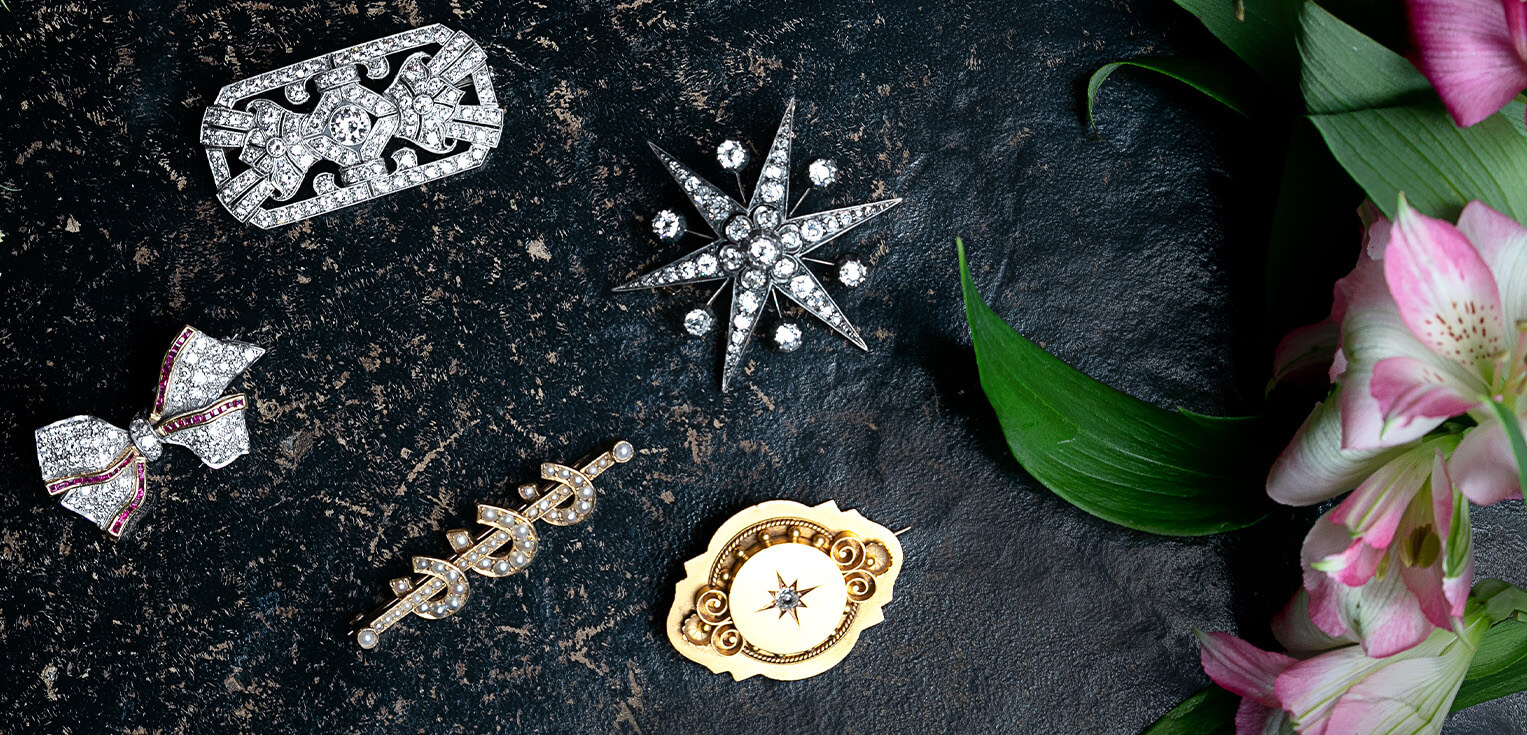
According to Pinterest Predicts, brooches are having a real moment this year. Finding a beautiful brooch is perfect for fashion savvy Mum’s. Go for antique or vintage for a truly one-of-a-kind gift for a one in a million Mum!

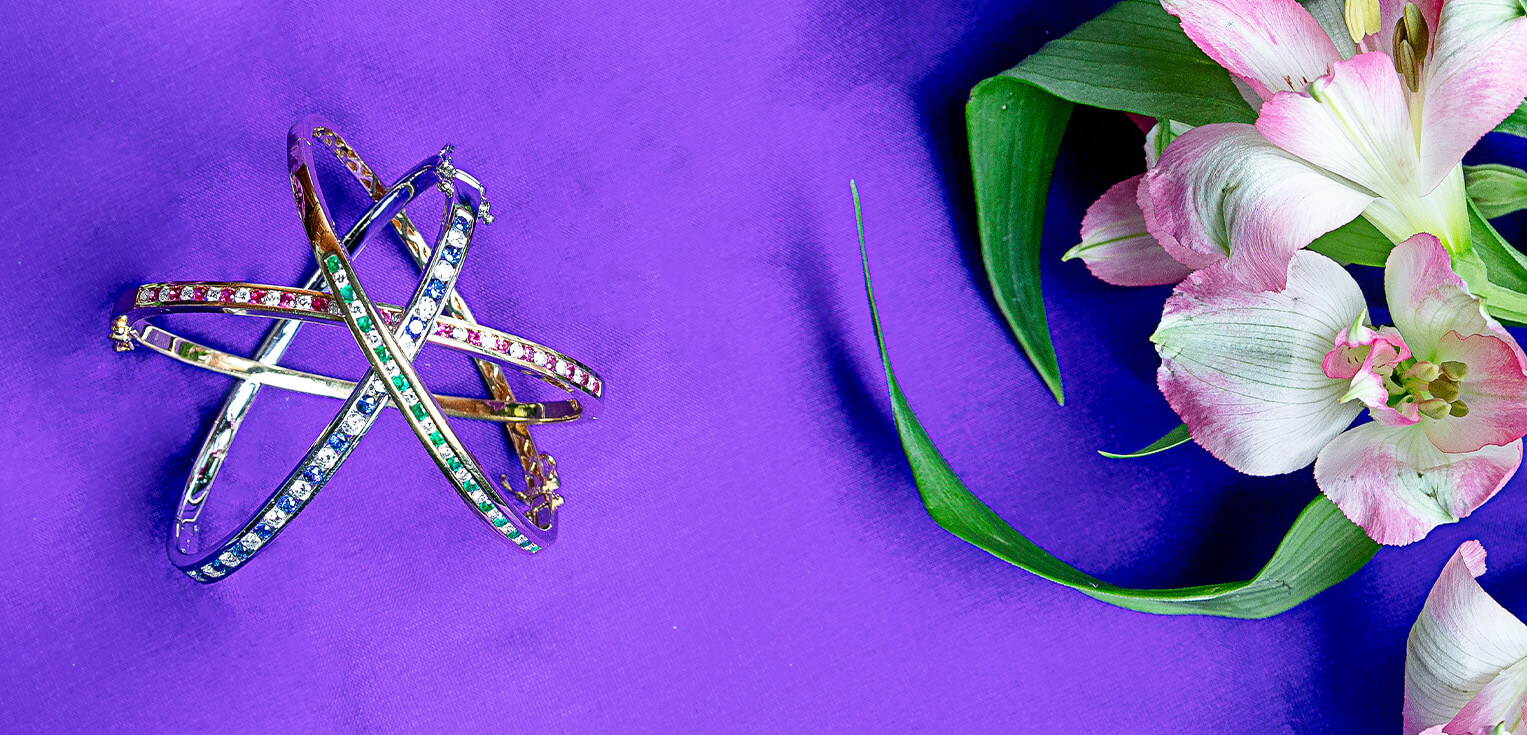
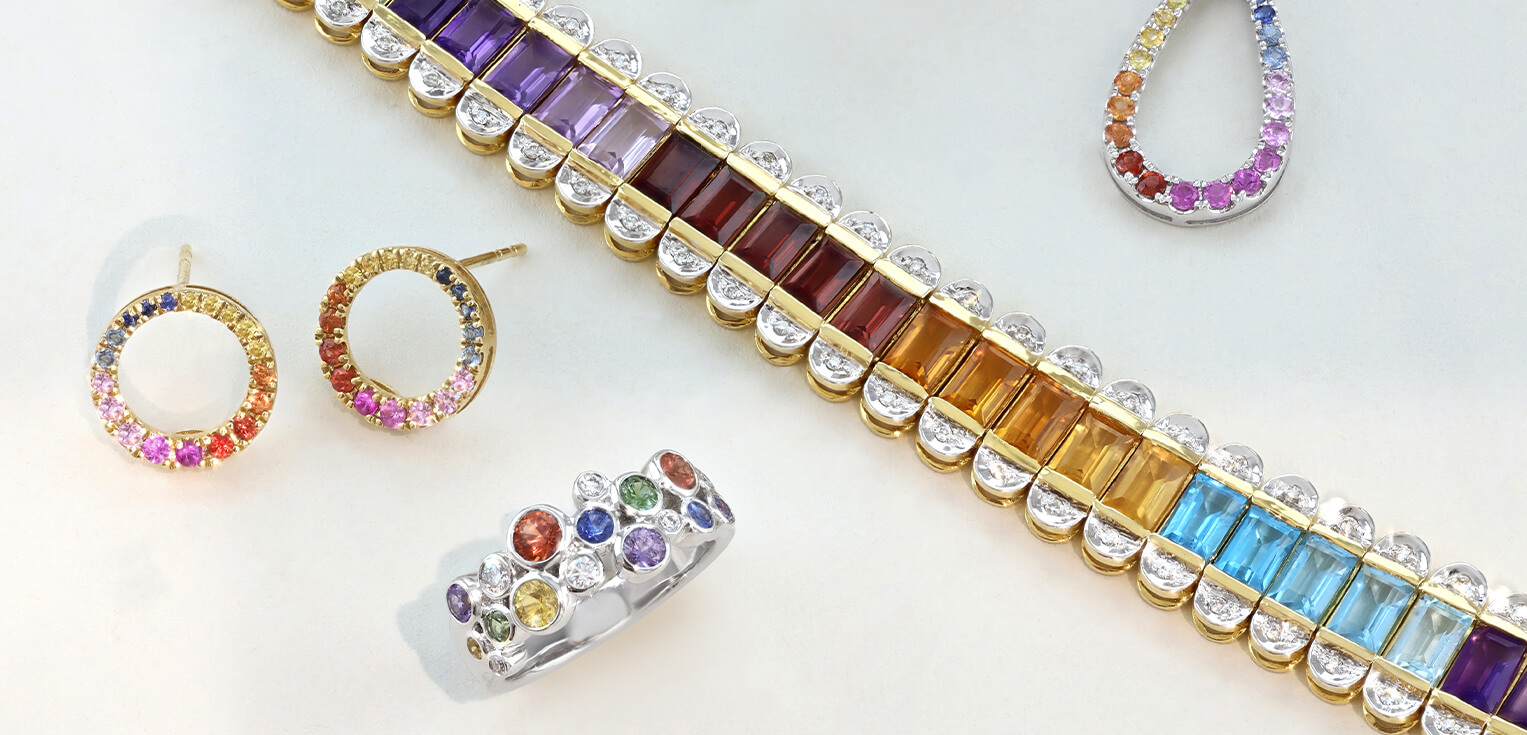
Another jewellery trend for 2026 is multicoloured gemstones. A vibrant option for colourful and creative Mum’s, rainbow gemstone jewellery will add excitement and sparkle to everyday outfits or a statement to evening wear. Make it even more personal by selecting birthstones as your gemstones. You can choose her birthstone, or her children’s to make it extra special and meaningful.

To get the most out of these pieces, look for jewellery that balances trends with timelessness, that can add a special touch to their wardrobe. The key with following trends is to select variations that can be adapted season after season to ensure you can be sustainable and stylish. Investing in antique jewellery pieces that are both timeless and trend-forward will help to create a jewellery collection that stands the test of time.

Luxury jewellery gifts for Mother’s Day

Treat your mum to a little luxury this Mother’s Day, she deserves it! What’s more luxurious and special than diamonds? As Marilyn Monroe said, they are a girl’s best friend, after all.

A traditional, hardwearing material, diamond jewellery is hardy enough for daily wear while also adding a touch of class and elegance, making them the perfect gift for maternal figures.

Choose classic diamond stud earrings for a timeless gift that can be dressed up or down, and are subtle enough for everyday wear (make sure Mum removes them if she goes swimming though!).

Wear your heart on your sleeve with bracelets or bangles for Mother’s Day

From sleek, modern bangles, to delicate gemstone bracelets or charm bracelets, wrist jewellery are a versatile option allowing personal style to shine through. They can be worn alone for a dainty look or stacked to make a statement.

Often overlooked when it comes to building a jewellery collection, wrist jewellery like cuffs, watches, bangles and bracelets can be layered or switched out depending on the occasion. They also make a great gift, as most of the time they have adjustable sizing options, meaning you won’t have to return or resize the gift.

Precious metals for precious people

While flowers and chocolates are some of the most popular gifts given on Mother’s Day, they don’t last very long. Instead, look for a gift that will keep both their sentimental and physical value.

Gifting jewellery made from precious metals, like gold or even silver, will mean they will last a very long time, not just on Mother’s Day.

Looking after jewellery well, by storing it safely and regularly cleaning it, will help to ensure precious jewellery will last and be able to be enjoyed for many years to come – or even passed down to future generations and become an heirloom of the future!

Lockets of love

With a rich history of holding sentimental and special belongings, lockets are a perfect gift for grandmothers on Mother’s Day.

For an extra special touch, pre-fill the locket with a small token of love as an additional surprise for the recipient. Lockets are perfect for holding mini family photographs, handwritten notes, small charms or other tiny trinkets and mementos that mean something to the wearer.

Make it personal

Personalised gifts are a perfect way to let your loved ones know how much you care about them. By specially selecting something that is personal to them, will mean they’re likely to love it even more.

Personalisation can come in many forms, from engraving to birthstones. For a subtle, stylish and sparkling gift for Mother’s Day, try a diamond initial pendant and choose from their initial or their children’s – or layer multiple on different chain lengths!

Matching jewellery for Mum’s and daughters

Your biggest inspiration from day one, teaching you life lessons and being there for you on all the milestone moments, your mum is one special lady. They say imitation is the sincerest form of flattery, so why not treat the pair of you to a special matching jewellery piece.

Whether you want matching necklaces, bracelets or earrings, choose classic styles to ensure they suit both of your styles. For example, you could select a common motif, like these diamond dragonfly studs and diamond dragonfly pendant.

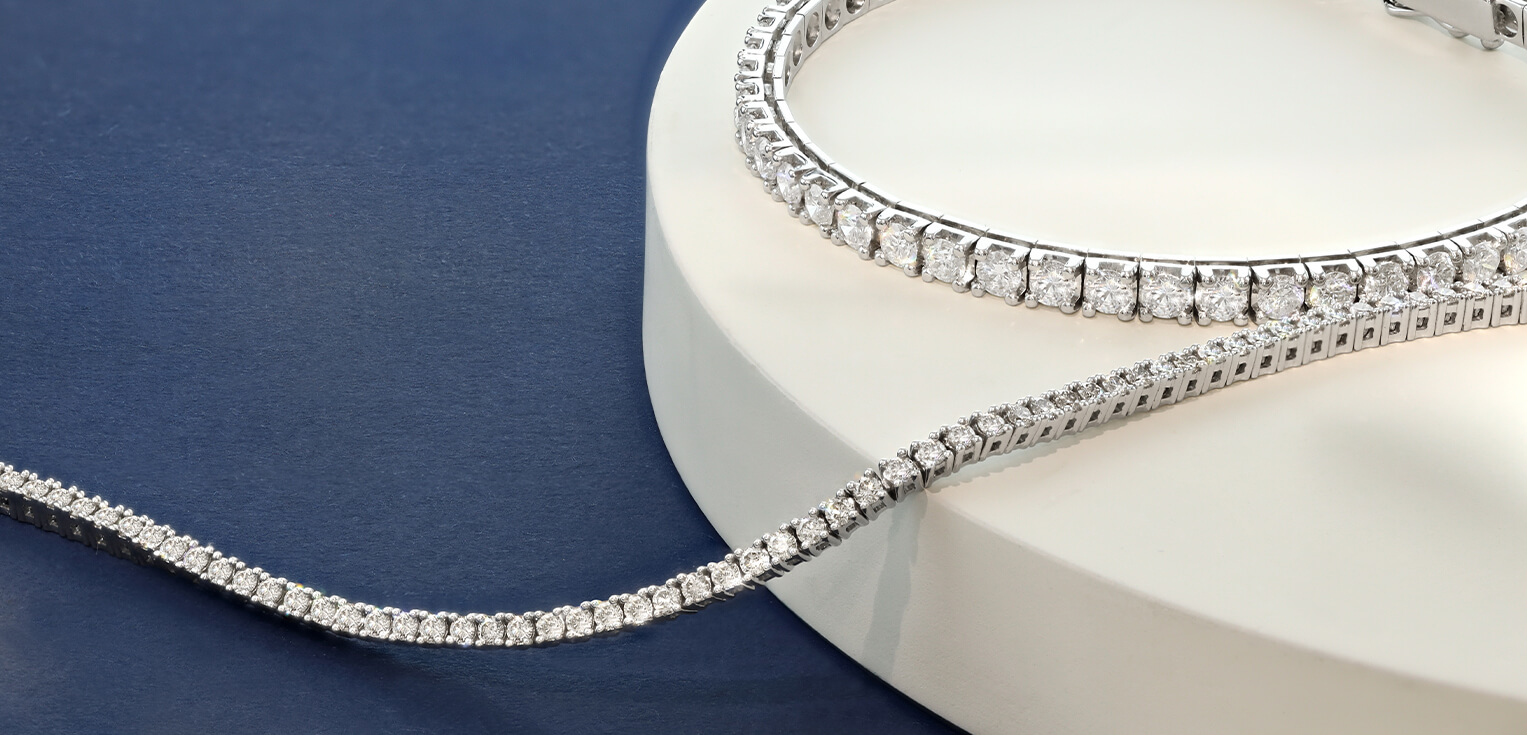
Alternatively, you could opt for similar but not exact jewellery that gives a nod to each other. Choose a diamond tennis bracelet for Mum and treat yourself to diamond hoop earrings.

Final Thoughts

Make Mother’s Day special this year with a thoughtful gift that shows your appreciation for the maternal presences in your life. Giving the gift of jewellery will give your recipient many moments of joy and ample opportunities to enjoy their present for many years to come.

When selecting a sentimental gift, remember to keep in mind their style and their preferred metal, and try adding a personal touch, in the form of initials birthstones.

Need help finding the perfect gift? Speak to our jewellery experts who can help you source bespoke jewellery or specially selected antiques that will brighten Mums day!

Exploring the Timeless Elegance of Art Deco Jewellery

When looking for vintage or antique jewellery, it’s important to understand the distinct designs that each period is known for. In the early 20th century, art deco dominated design in everything from architecture and automobiles to fashion and, of course, jewellery.

Known for its elegance and exotic inspiration, art deco is a striking style that blends modernism in a timeless fashion.

In this guide, we will explore the origins of Art Deco, the key features to look out for in art deco design, and how it was, and continues to be, translated into jewellery that stands the test of time.

What is Art Deco?

‘Art Deco’ is said to have started at the ‘Exposition Internationale des Arts Décoratifs et Industriels’, an exhibition that took place in Paris in 1925, which inspired a distinct design style popular between the 1920s and 1940s.

From architecture, like the Chrysler Building in New York, to fashion, like Coco Chanel, art deco inspired all forms of design, and still influences styles of today.

What are the key features of art deco design?

There are four main features that define art deco designs.

Geometric Shapes

Art Deco is all about strong lines and geometric shapes. Think squares and triangles, but also more exciting shapes, like zigzags and sunburst designs, popular in architecture and in jewellery, which may have been repeated in a rhythmic pattern.

Sleek, streamlined lines

The epitome of modernity, Art Deco was an ode to the machine ages and this is reflected in its design. Smooth, long lines or aerodynamic curves help to evoke a sense of motion.

Modern materials and exotic motifs

Taking inspiration from African, Japanese or ancient Greek art, and the discovery of Tutunkahmun’s Tomb in 1922 influenced Art Deco designers to experiment with luxurious and exotic materials and motifs. This was often contrasted with the use of modern metals, such as steel and chrome and traditional materials like ivory or bone.

Vibrant, bold colours with contrast

Using vibrant colours like deep reds, greens and blues was often contrasted with metallic accents, like gold and silver to create a bold, statement look.

How did art deco influence jewellery design?

When it comes to art deco jewellery, many jewellery designers explored the key features in the shapes, stones and style of their pieces.

Jewellery houses like Cartier and Van Cleef & Arpels really embraced art deco in their designs, choosing bright gemstones and geometric designs to modernise jewellery to suit the changing demands of contemporary women.

Cartier Tutti Frutti collection, c. 1920s

Although not officially named ‘Tutti Frutti’ until much later in the 1970s, this multicoloured collection was inspired by the designers ‘adventures in India’, embodying the exotic influence seen in art deco design as well as the bold bright colours.

So iconic was this collection, that in 2020 an original Cartier Tutti Frutti bracelet from 1930, was sold for a record-breaking $1.3 million at a Sotheby’s online auction dedicated to jewellery.

Cartier Halo Tiara, c. 1936

One of the most iconic jewellery pieces belonging to the British Royal Family is the late Queen Elizabeth’s Cartier Halo Tiara.

Originally purchased in 1936, in the height of the Art Deco period for the Queen’s Mother, it was gifted to Queen Elizabeth on her 18th birthday, the Halo Tiara was later worn by Catherine Middleton on her wedding day in 2011, leading to a trend in Art Deco inspired bridal jewellery.

Van Cleef & Arpels gemstone bracelets and cuffs

Another jewellery house synonymous with the art deco period is Van Cleef & Arpels. In particular, they focused on creating bracelets and cuffs that were a modern interpretation of jewellery for women.

Notably, their geometric gemstone bracelets featured semi-precious stones rather than diamonds, which was unusual for the time. They were also incredibly innovative for the time as they used calibré cut gems which showcased a new stone-cutting technique developed by Van Cleef & Arpels used to create form and texture within a jewel – the height of modernity!

Chanel imitation pearl necklace

An iconic look during the art deco period was Coco Chanel’s monochromatic little black dress paired with an imitation pearl necklace. Although the brand did not manufacture pearl necklaces until much later, founder Gabrielle Chanel is famed for popularising wearing strings of pearl and imitation pearl necklaces in the 1920s and 1930s.

How to get the Art Deco look today?

Even if your budget doesn’t quite stretch to sourcing vintage designer jewellery at auction, you can still get the art deco look by keeping in mind the key design features and choosing timeless pieces.

Geometric Engagement Rings

Art Deco is a timeless design, making it a perfect style for heirloom jewellery, like an engagement ring! The sleek, streamline design seen in Art Deco gemstone rings make them appear modern even today.

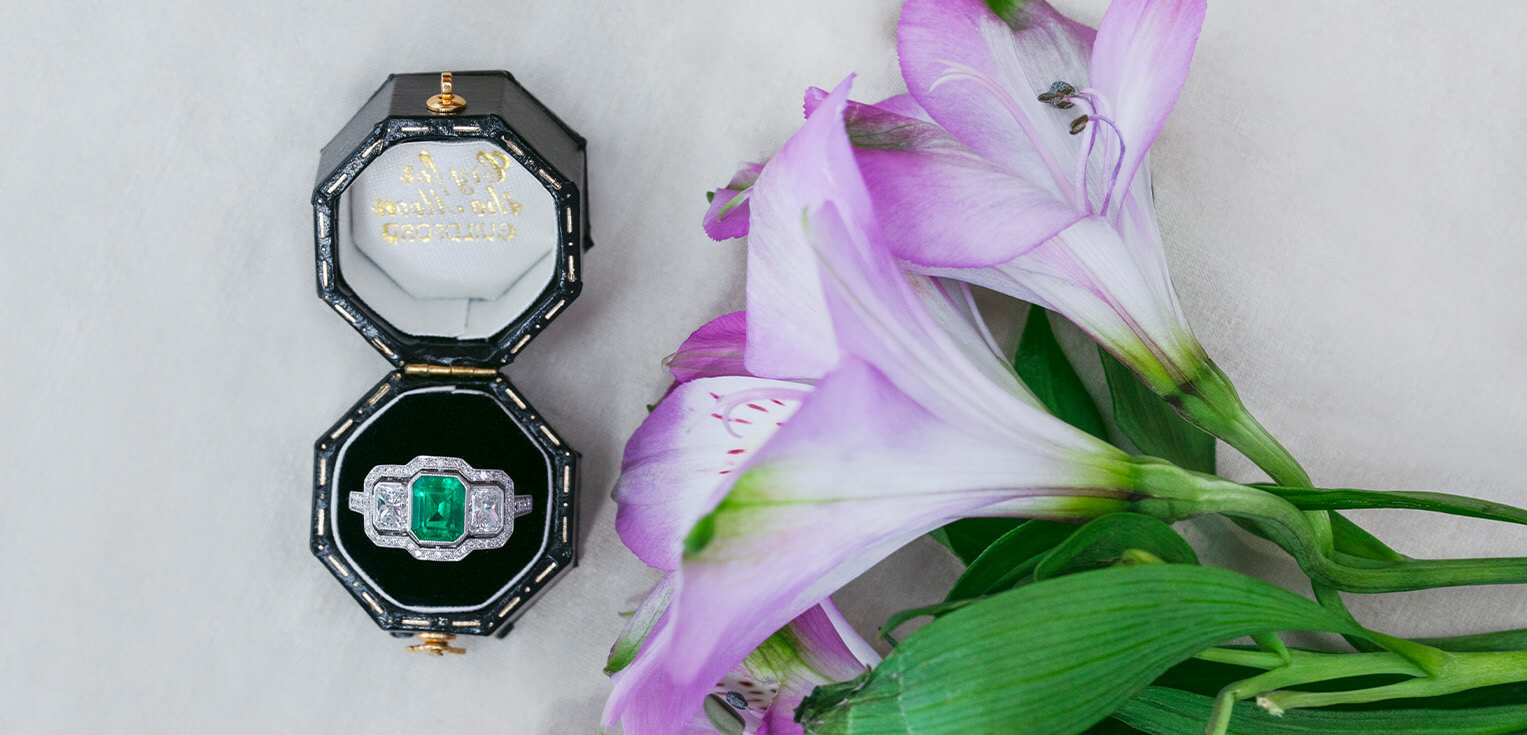
Choose a bold, brightly coloured gemstone for a beautiful contrast look, like an Emerald Art Deco Engagement Ring for a truly statement piece.

Elegant Art Deco Earrings

When the hemlines of the 1920s were rising, so were haircuts for women. ‘Bob’ haircuts were the do of the decade, all the rage for women in this period, following the ‘flapper’ style.

These sleek shorter hair styles meant there was an increased focus on earrings, with Art Deco drop earrings beautifully peaking out below cropped cuts.

Colourful cocktail rings

Make a statement with a colourful cocktail ring. Cocktail rings rose in popularity in Prohibition era America, as a symbol of female independence, a hint of rebellion and a show of a booming economy.

An art deco-inspired cluster cocktail ring can elevate your evening wear, or add some sparkle to casual outfits.

Final Thoughts

Art deco was a period that championed modern materials and machinery to create contemporary designs. Despite emerging around 100 years ago, the sophisticated, sleek features mean they still feel fresh and fashionable even now.

Channel art deco modernity with brightly coloured gemstones in contrasting metal settings, statement cocktail rings and bold drop earrings to add elegance to evening wear or a chic addition to casualwear.

A Guide to Choosing Your Engagement Ring Shape

Whether you’re gathering inspiration or you’ve been proposed to, choosing your perfect engagement ring can be daunting. This special piece of jewellery will be symbolic of your love and something you’ll likely wear every single day, meaning it should reflect your personal style while also standing the test of time, in style and strength.

In this guide, we will take you through all the important considerations when choosing your engagement ring, from stone cuts and shapes that flatter your fingers, to thinking about your future wedding ring and the best stones for engagement rings.

What are the most popular engagement ring shapes?

Round

Round cut is the most popular gemstone cut, and is a traditional option when looking for a timeless engagement ring shape.

Oval

Oval cuts are an elongated round, which provides more surface area making it appear larger.

Emerald

Emerald cut stones have a rectangular shape that features step-cut facets. They can look both timeless and modern.

Cushion

Cushion cuts are square with rounded corners, giving them a softer appearance compared to Princess cuts.

Radiant

Radiant gemstones are a hybrid between an emerald and a round cut diamond, offering maximum sparkle.

Princess

Unlike Cushion cuts, Princess cuts are square with pointed corners, making them a modern choice for contemporary brides.

Marquise

Marquise cuts are elongated with pointed ends, and are perhaps the most unique shape for engagement rings.

Pear-shaped

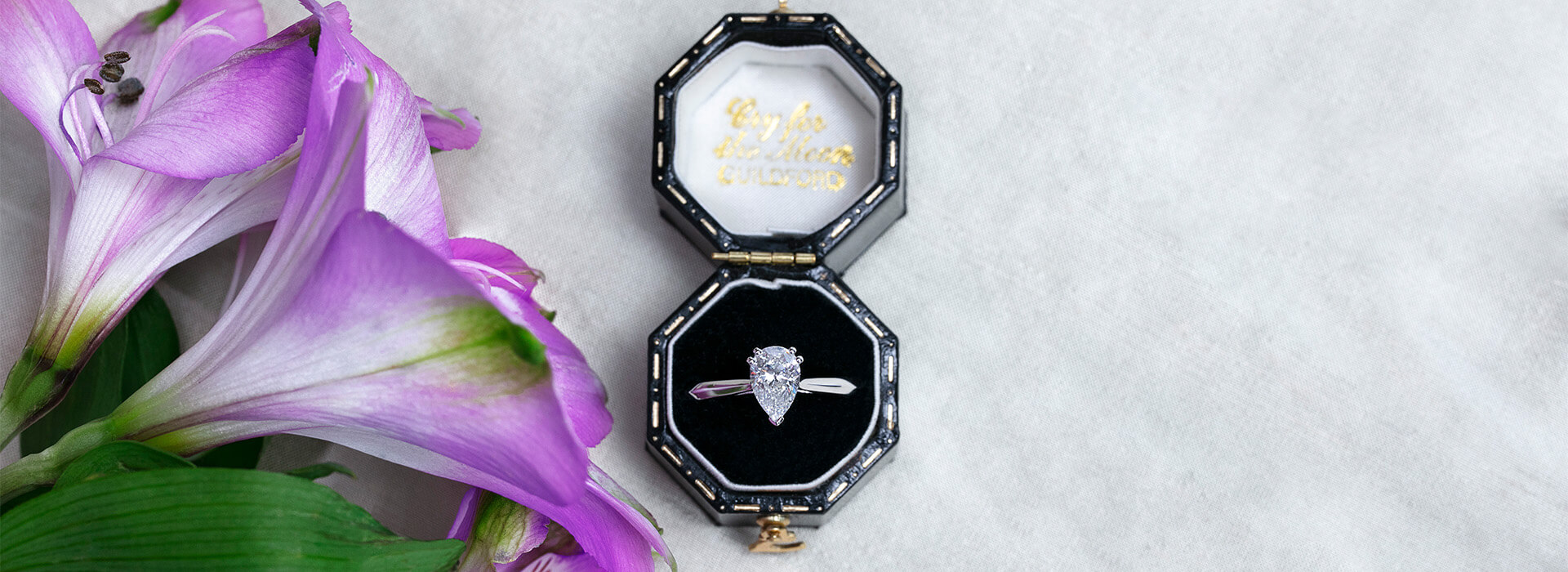
Pear-shaped cuts are another shape that combines the styles of other popular cuts to create a unique shape of its own. Pear-shaped diamonds take inspiration from Marquise and Round cuts to form a teardrop shape.

What to consider when choosing your engagement ring?

As well as shape, there are several other things to consider when shopping for an engagement ring that can help you to choose your perfect ring.

Your future wedding ring

When selecting your engagement ring, it’s good to also picture what your future wedding ring might look like alongside it.

More intricate or unique engagement ring shapes may make it more difficult to find a wedding ring that fits perfectly and stacks well. This may mean you have to design a bespoke wedding ring, so you’ll need to consider this in your overall wedding budget.

Your finger shape

You may want to consider your hand and finger shape and size when choosing your engagement ring to help you find a ring that is most flattering for you.

For shorter or wider fingers, you may want to choose a cut that helps to elongate your finger, like oval, emerald or marquise.

For long and narrow fingers, you can add width with round, square or princess cuts to help balance your fingers.

Similarly, if your hands are thin or small, large stones may be overpowering, whereas broader hands and fingers may benefit from a larger stone, as smaller cuts may feel a bit lost.

Your budget

When it comes to setting your budget for your engagement ring, some say you should spend between one and three months’ salary on an engagement ring. Depending if this is pre- or -post tax, that would put the cost of an engagement ring at £2500 – £9500!

However, where did this calculation come from? It was actually first introduced by diamond company De Beers advertising in the 1930s, who suggested that a month’s salary should be spent on a diamond engagement ring.

The average salary has changed a lot since the 1930s, and engagement rings have changed in style too. There are no real rules when it comes to how much you should spend, so figure out a budget that you and your partner feel comfortable with and look for rings in that range.

Your lifestyle and sense of style

While it’s not the most romantic to think realistically when selecting the shape and size of your engagement ring, considering your lifestyle and even your work may help you to make a practical choice when it comes to your engagement ring.

While you may dream of a huge diamond, this may not be the most practical, especially for more manual jobs as they may get caught or prone to damage.

Similarly, your lifestyle and fashion sense may also help inform the stone shape and setting you choose, to ensure your ring suits your style, feel comfortable to wear and work cohesively with your other jewellery. From modern to maximalist, fashion-forward or vintage, find a ring that fits your aesthetic.

What stone to choose for your engagement ring

Diamond

Diamonds are the traditional choice for engagement rings. If you want a diamond ring, try to choose ethically sourced diamonds that clearly state their origins. Better yet, opting for a vintage or antique diamond ring. Alternatively, you may want to explore lab grown diamonds, as you’ll likely be able to get more for your budget.

When shopping for a diamond engagement ring remember to consider the 4 c’s:

  • Cut refers to the faceting of the stone, and is responsible for how ‘shiny’ the diamond appears.
  • Colour grades the opaqueness and tone of the diamond, with clear, or ‘white’ often regarded as the best.
  • Clarity looks at any ‘imperfections’ or blemishes in the diamond.
  • Carat measures the diamond’s weight.

Gemstones

Coloured gemstones have been a popular choice for engagement rings throughout history, possibly inspired by Queen Victoria’s emerald engagement ring in the shape of a serpent.

When looking for gemstone engagement rings, it’s important to consider the suitability of the gemstone for everyday wear. Look for stones that have a high rating on the MOHS hardness scale. Diamonds are a 10 on the MOHS scale, meaning they are incredibly hard-wearing. Gemstones like Sapphire, Rubies, Emeralds and Topaz vary between 8 and 9 on the MOHS scale, meaning they would make good engagement ring choices.

Stone like pearl, moonstone and opal are much softer, and more prone to being damaged. That doesn’t mean you can’t choose these for your engagement ring, you’ll just have to take extra care to ensure they don’t get scratched in daily wear.

Final thoughts

When it comes to choosing the perfect engagement ring to mark your betrothal, remember to select a ring that represents your style, is comfortable enough to wear daily and will work with your wider jewellery collection.

As a symbol of your love, you may even want it to combine yours and your partner’s love story, by choosing your birthstones or engraving your initials into the ring band to make it extra personal and special.

First Wedding Anniversary Gifts to Cherish

Celebrating your first year of marriage is an important milestone in your blossoming relationship, and finding the perfect gift that your partner will cherish is the perfect way to commemorate this moment.

From traditional gifts, to modern, unique and quirky presents, in this guide, we share our top tips to help you find a thoughtful first anniversary gift for your partner.

What are the traditional gifts for a first wedding anniversary?

Traditionally, the first wedding anniversary gift is represented by ‘paper’. Paper symbolises a blank canvas for you to write your love story on at the beginning of your new chapter together. Similarly, the threads in paper symbolise the unseen strength of your relationship, too! The threads within paper are meant to symbolise the strength and connectivity of your blossoming relationship.

The modern take on wedding anniversary gifts assigns the first anniversary to ‘clock’. The clock is said to represent the couple’s eternal and never-ending love so has been adopted more recently as a way to signify a first wedding anniversary.

Thoughtful first wedding anniversary gifts

There are many ways to take inspiration from the traditional and modern interpretation of these wedding anniversary materials to find a unique and meaningful present for your spouse to celebrate your first wedding anniversary.

Eternity Ring

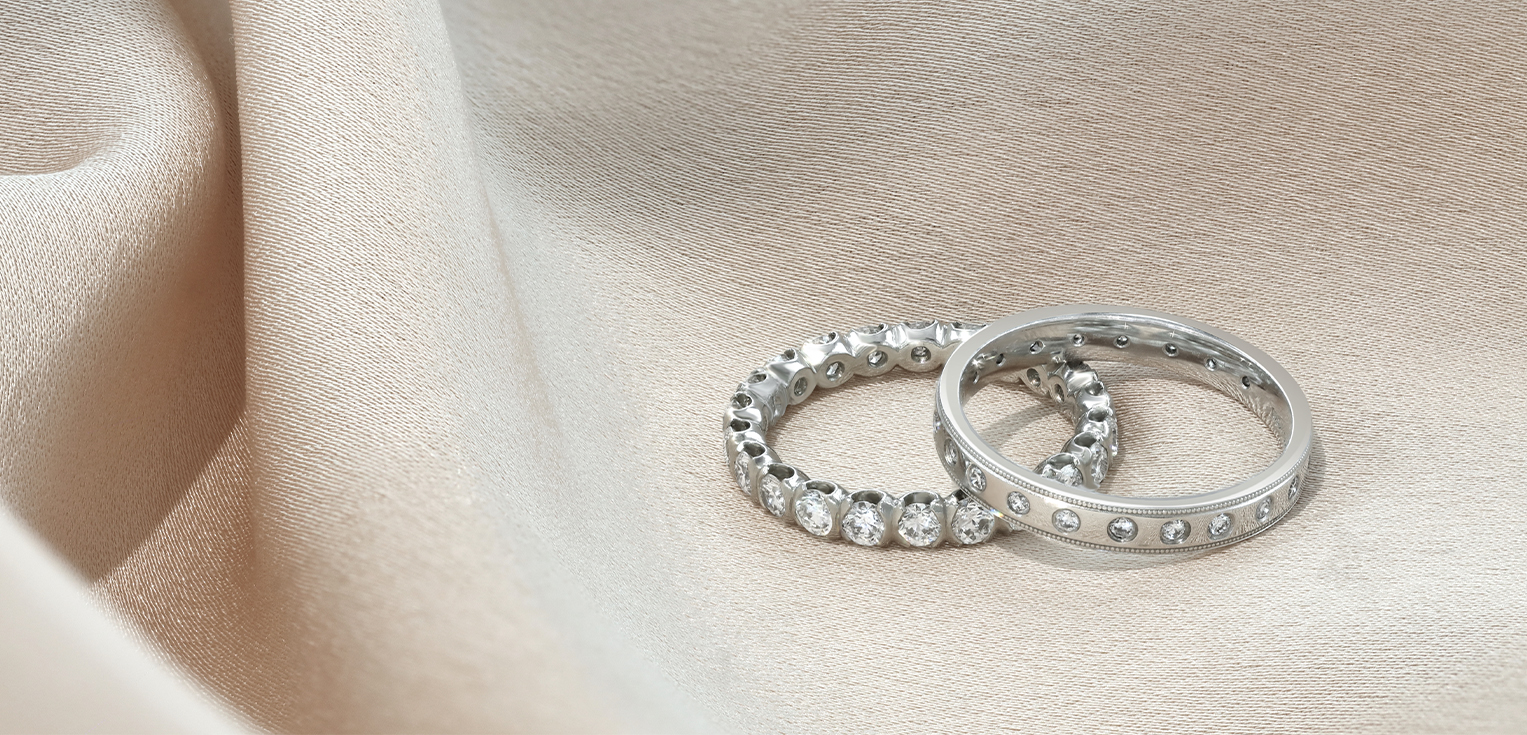
Eternity rings form part of a wedding ring stack, sitting on top of your wedding band and engagement ring. They are usually a band of precious metal, like gold or platinum, set with a continuous line of diamonds or other precious gemstones. This is meant to symbolise the never-ending love of the couple.

Eternity rings are usually given to mark milestones in a marriage, from significant anniversaries to the birth of a baby. Gifting your wife an eternity ring on your first anniversary celebrates your first milestone together as a married couple, demonstrating your love and devotion to your partner.

Make new memories with an experiential gift

Paper gifts don’t have to be boring! Why not book tickets to an experience that you can share with your spouse. Making space for quality time within your relationship is important at all stages of your marriage, so set the tone with your first anniversary by setting aside time to enjoy each other’s company.

Find an event, exhibition, theatre show or other activity that you and your partner can do together, allowing you to spend time together, make new memories and do something new or exciting with one another.

Remember that presentation is important, so be sure to print out the tickets onto paper or card, and present them in a beautiful envelope or gift box.

Love notes

In an increasingly digital age, many people are turning to more analogue and the rise of ‘stationerycore’ is growing. Journaling is also a great form of self-care and stress-relief, with many benefits to mental health.

Gifting a luxury notebook may encourage your partner to take time out of their day to slow down, journal and write down their thoughts, feelings, dreams or aspirations.

A modern or traditional timepiece

Take inspiration from the modern wedding anniversary gift guide of clocks, and give your husband a timepiece. A modern interpretation of the clock gift could be a smart watch, providing time-telling as well as connectivity.

For those with more traditional style and tendencies, try sourcing a vintage pocket watch, which is not only a sentimental gift, they also have the ability to become heirlooms of the future and passed down through your newly formed family.

Write your own cookbook – a recipe for gifting success

An innovative interpretation of the traditional first anniversary gift of paper is to buy a recipe journal. These are a ‘build your own cookbook’, giving you a dedicated place to write down and collect your favourite recipes together.

From family favourites to recreations of your go-to date night restaurant, a recipe journal can help you to collate recipes throughout your relationship.

Literary love stories

Celebrate your love story with a literary gift. A beautifully bound classic book is a little luxury that many people wouldn’t think to buy themselves, making them a perfect treat and great option for an anniversary gift.

Maybe your spouse’s favourite author has a brand new book out, or look out for a collection of romantic poems in a coffee table book. Classic tales are also a good option.

Alternatively, an e-reader, like a Kindle Paperwhite, are great for reading on the go – perfect for partners that have a commute or prefer more lightweight reading experiences.

A permanent present

If you’re looking for a unique first wedding anniversary gift, why not book in to get matching tattoos! Many modern couples choose to get their partners initials or their wedding date inked on them, however you could also look at getting more abstract that symbolises your relationship or your partner in a more subtle way.

This is a great idea for creative couples, who likely already have tattoos – although it’s a good idea to brooch the subject with your spouse before making any appointments to check they are on board first!

Replicate your first date, or another significant moment in your relationship

Take a trip down memory lane and recreate a special or romantic moment in your relationship.

Whether it’s revisiting the restaurant you had your first date at, going back to the place you got engaged, or taking a trip to the venue you got married in, you can make new memories in meaningful places on your first anniversary. Be sure to mention when booking that you’ll be celebrating your anniversary, as they may go the extra mile for you on your arrival!

Final Thoughts

When it comes to finding a first wedding anniversary gift that your partner will cherish, there are certain traditional materials and gift suggestions you may want to take inspiration from.

However, the best way to select the perfect present for your partner is to look for something meaningful, sentimental and special to you as a couple that will help you to celebrate and commemorate your first year of marriage.

Your Ultimate Christmas Jewellery Style Guide

As Christmas draws closer, festive celebrations are filling the diary. Finding the perfect Christmas jewellery to wear to each of these occasions can help to make the most of the festive season and elevate your party outfits.

From glitzy Christmas parties, to cosy, casual Boxing Day gatherings and full glamour New Year’s Eve soirees, we have put together the ultimate guide to styling jewellery this festive season and the key Christmas jewellery trend to look out for.

How to style jewellery for festive events this Christmas

The first thing to consider when trying to find your jewellery style this Christmas is to think about the type of occasions and events you will be attending, how formal they will be and what clothes you will be wearing with your jewels. This will help you to determine what jewellery styles will best suit each occasion.

What jewellery to wear for the work Christmas party

Work Christmas parties can vary in formality from company to company, from casual pub trips to black-tie dinners!

For more casual Christmas dos, opt for classic styles over statement pieces. Look for dainty high quality metals, like 9ct gold or sterling silver in simple styles to exude class.

For more formal affairs, you can afford to be more experimental and colourful with your jewellery choices. Try a bold pendant necklace or layer chains of differing lengths and chain thicknesses.

Festival jewellery for ‘Friend-mas’

More recently, groups of friends are gathering around the festive period to celebrate ‘Friendmas’, either instead of, or in addition to, their family Christmas.

There are often informal celebrations, so you can wear whatever you want. For jewellery, add a nod to traditional friendship bracelets, and wear your favourite bangles, bracelets or cuffs to your festive gathering with friends. You could even gift your friends matching bracelets for Christmas!

The big day – perfect jewellery for Christmas Day

Move over matching Christmas pyjamas, and say hello to a stunning jewellery set.

Whether you want to match your gemstone earrings to a cocktail ring, or choose a matching necklace and bracelet set, wearing a two, or three piece jewellery collection will create a classy, cohesive look that’s perfect for Christmas Day.

The beauty of matching sets is that you can wear them together on special occasions, like Christmas, to make a statement. But each piece can be worn separately, to tone down your jewellery look, meaning you can get the most out of your jewellery collection throughout the year.

Casual-yet-classic jewellery for Boxing Day

For many of us, after the chaos of Christmas Day, Boxing Day is a much more casual affair.

Whether you’re spending all day in your pyjamas, or pairing a Christmas jumper with jeans (or post-turkey leggings!), add simple jewellery, like a classic pair of delicate hoop earrings.

Be careful with festive knitwear, as it can be a hazard for chain necklaces or dangling earrings. To avoid getting caught in your jumper and risking ruining your knitwear, opt for more subtle, dainty jewellery, like huggie style earrings or smooth rings with minimal edges or details that could snag on your knitwear.

Jewellery for New Year’s Eve

Saving the best until last, New Year’s Eve is the perfect opportunity to wear your most sparkling, most special jewellery pieces. Whether you’re keeping it casual or heading to a party, make a statement with your jewellery to see in the new year.

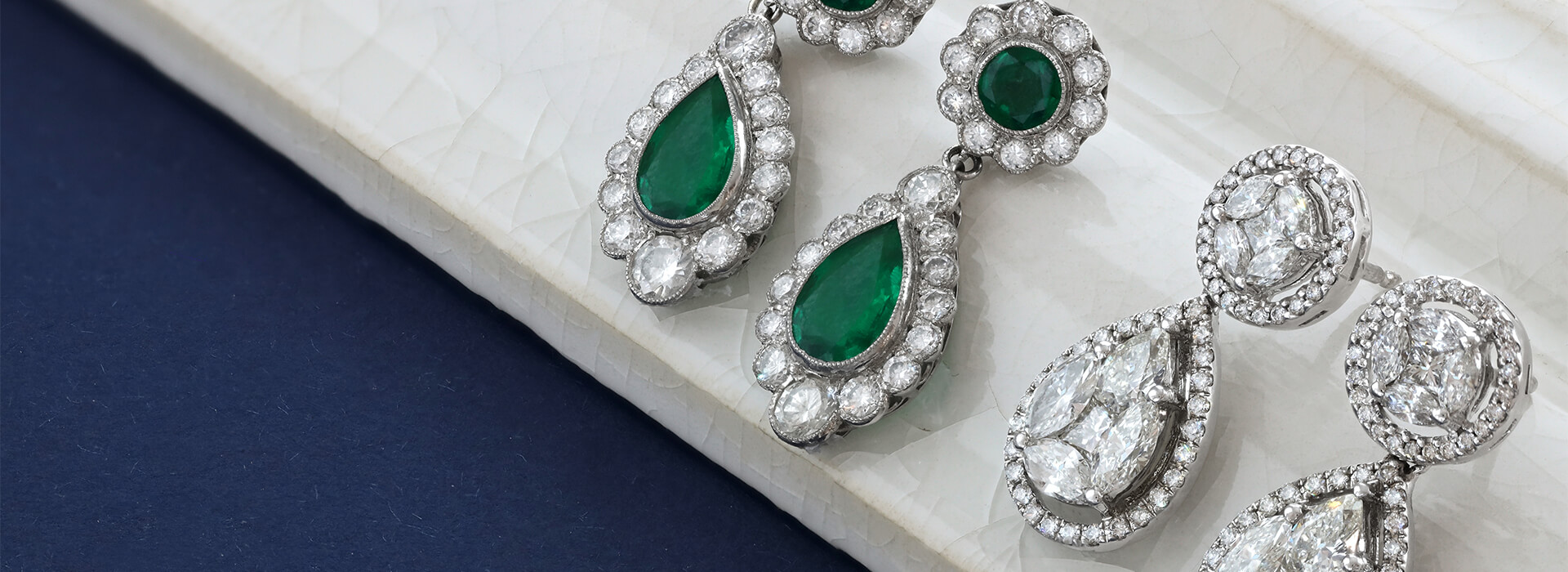
A pair of statement earrings are a versatile way to add some sparkle to any outfit. From diamond studded hoop earrings, to emerald drop earrings, adding bold earrings to a simple Little Black Dress or cocktail dress is a stylish way to stand out this New Year’s Eve.

Jewellery Trends for the Festive Season

Gemstones Galore

Channel your inner Christmas tree and adorn yourself in multicoloured gemstones this festive season.

While multicoloured lights may have gone out of fashion for Christmas decor, bright and bold gemstones are set to be a huge trend in 2026. Get ahead of the crowd and pair gemstones with more pared back outfits, like neutrals or all-black outfits, or match your ruby or pink sapphires to your lipstick for an on-trend colour blocking look.

Diamonds in December

According to UK based bridal company BrideBook, 35-40% of all engagements happen in Winter, between the months of December and February, with over a quarter of them happening at Christmas time!

So, diamond jewellery is incredibly popular in December. Even if you are already engaged or married, you can add a touch of elegance to your festive fashions with some classic diamond stud earrings.

If you have an inkling you might be proposed to this festive season, our top tip is to make sure to book in a manicure and opt for more dainty and delicate jewellery, especially rings, and keep your ring finger jewellery free – just in case!

Gold rings for Christmas

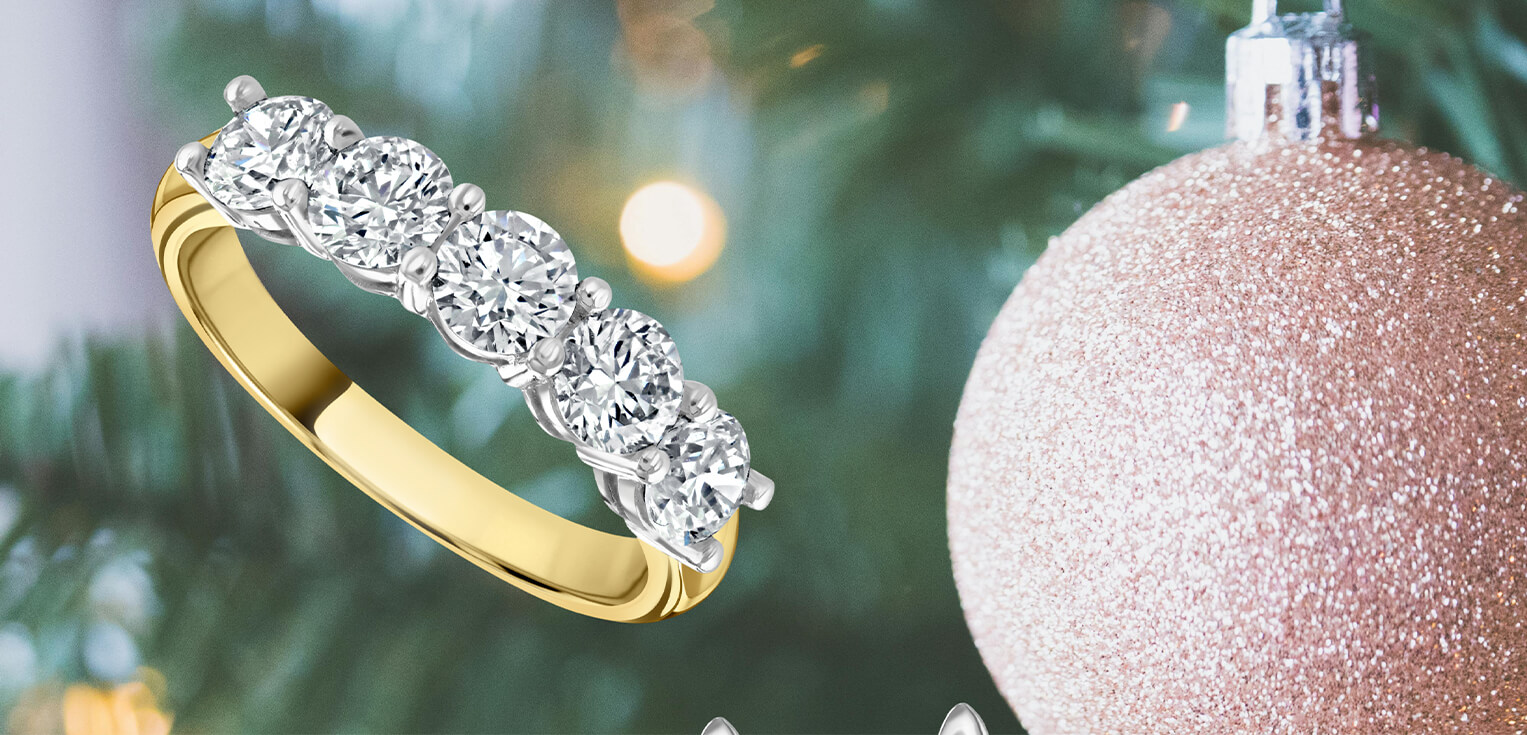
In honour of the 12 days of Christmas song, why not wear your favourite 5 golden rings this Christmas season!

Try wearing a range of gold rings or bangles in different thicknesses and styles will make an eye-catching jewellery stack. This also allows you to wear several of your best pieces together, making the most of your jewellery collection.

Sparkle in Icy silver and white gold

If you’re more of a cool-toned jewellery lover, icy silver tones are perfect for winter.

Take inspiration from frosted mornings and snowy scenes, and look for metals like platinum, white gold or sterling silver. For gemstones, try diamond, opal or pearl jewellery this festive season.

Tap into traditional Christmas trends with vintage and antique jewellery

Nostalgic, traditional Christmas is a key trend in all things festive this year, from decorations to tableware.

Channel this vintage feeling and look for antique, one-of-a-kind jewellery to wear with your partyware this Christmas. Sourcing vintage jewellery is a stylish and sustainable way to grow your jewellery collection, finding unique pieces from different eras, from Victorian rings to Art Deco earrings. The exquisite craftsmanship found in antique jewellery is perfect to accentuate floor-length gowns and add some glamour to festive outfits.

Final Thoughts

This Christmas, add some elegance to your festive fashions with on-trend jewellery.

From delicate and dainty jewellery to create a classic casual look to making a statement with bold gemstones and icy-toned metals, channel Christmas trends from head to toe at all your Christmas celebrations this festive period.

What’s Going to be Hot in 2026? Jewellery Trends to Watch Out For

As we near the end of 2025, it’s time to look ahead to the key jewellery trends to watch out for in 2026.

From the haute couture houses of Paris, to the modern runways of New York Fashion Week, and everywhere in between, jewellery trends for 2026 look to be big, bold and beautiful. From mixed metals and layered pieces, to structural and sculptural shapes, there’s something to suit all personalities and tastes.

In this article, we will look at the key themes featured at fashion shows for 2026, and how you can work them into your jewellery collection in a sustainable and stylish way, so you can be a trend setter not a fashion follower.

Key jewellery trends for 2026

Bold shapes

We are moving away from minimalism, and jewellery trends in 2026 are leaning towards bold shapes and structural looks. Think chunky chains, thick cuff bracelets and sculptural pendants.

This trend can lean to futuristic styles, with fluid and abstract shapes, or smooth pebble-like shapes featuring highly. Whether you want to go for angular and geometric, or look for softer shapes, make sure they are big and bold to make a statement for 2026 styles.

Vibrant gemstones

To go-to gemstones for 2026 are all about choosing bold, bright colours. Vivid gemstones are set to dominate jewellery trends next year, and you can be really creative with what stones you choose.

From making it personal with birthstones or choosing stones in your favourite colour, to creating a rainbow look by wearing multiple stones in different pieces of jewellery, when looking for gemstones to wear in 2026, make sure they are colourful.

Mixing metals

While silver has definitely had a moment in 2025, with prices of silver skyrocketing in 2025, next year will be all about mixed metals.

Mixing different metals, like yellow gold and silver, is a great way to experiment with your jewellery and create bold, interesting looks. You can still rock the mixed metal trend even if you’ve already figured out what metal matches your skin tone best, by layering different metals with the same tone, for example wearing different cooler toned metals like silver with blackened metals, or combining yellow gold with copper tones to add depth.

Vintage and heritage inspiration

With the rise of ‘old money’ style in fashion, there’s no wonder that vintage and heritage is a jewellery trend to watch out for in 2026.

Often used as a reaction to, and rejection of, fast fashion that is poor quality, many consumers are now looking to well-made, timeless pieces both in fashion and accessories, including jewellery.

Jewellery for 2026 will focus on vintage inspired pieces, a nod to by-gone eras and building a jewellery collection filled with timeless items that you can wear time and time again.

Layering jewellery

Again, moving away from minimalism, layering jewellery looks to be making a come-back in 2026.

Building a cohesive jewellery stack can take many years, collecting pieces over time. However, with a solid foundation of key, timeless pieces, you can expertly layer jewellery to complement your style and showcase your excellent taste in jewellery!

Pieces to invest in now to stay ahead of the trends

With many trends set to hit the high street and costume jewellery shelves next year, here are some jewellery pieces that you can invest in that can help you stay on trend while retaining your signature style and building out a timeless jewellery collection.

Statement pendant necklaces

From Ralph Lauren to Hermes, one trend that was seen on many catwalks for Spring / Summer 26, was statement pendant necklaces. Worn long and low on the body to mirror deep necklines, or even worn backwards to accentuate backless dresses, the statement pendant necklace is definitely one trend to work into your jewellery collection next year.

Choosing a pendant that can be worn on a long or shorter chain will mean you will get maximum wear, and allow you to layer with other necklaces as the trends change

Brooches

Making their way to the catwalks of high-end fashion houses for Spring / Summer 2026, brooches are set to have a big moment next year.

The beauty of brooches is that they retain their timeless style, and can be worn multiple ways. Fixing a statement brooch to a scarf or tie, to wearing many on a lapel, seeking out a vintage brooch is a great way to create an on-trend look that can adapt to your personal style, as well as change with the fashions.

Chunky hoop earrings

A timeless way to tap into jewellery trends in 2026 is to invest in a pair of statement hoop earrings.

A classic hoop earring never goes out of style, and having a few key pairs of hoop earrings in different sizes and thicknesses mean you can swap them out depending on trends and your chosen outfits.

For 2026, hoop earrings are going to be chunky, so look for thicker styles. To avoid heavy, weighty hoops dragging your ears down, look for hollow styles when considering bigger, bolder hoops to avoid damaging your ears and improving comfort.

Ethical gemstone jewellery

Sustainability never goes out of style. So if you’re wanting to try into the vibrant gemstone trend, be sure to look for the origins of your jewellery. All of our gemstones are ethically and responsibly sourced, meaning you can wear the trend guilt-free.

One of the most sustainable ways to wear gemstones, and all jewellery, is to buy vintage and antique. Through buying vintage jewellery, you are reusing materials and giving existing pieces a new lease of life, truly planet-friendly fashion!

Final Thoughts

Whether you want to hop on the heritage trend, or vibing with vibrant gemstones, jewellery trends are set to be full of fun and creativity in 2026.

When it comes to staying ahead of jewellery trends for 2026, we recommend choosing the trends that most align with your personal style as this way you will be able to select pieces that will work with the trends next year, and many years beyond!

Gothic Jewellery Trends That are Here to Stay

With a chill in the air and the nights getting longer, gothic jewellery may start to make its way onto the fingers and necks of those seeking a darker jewellery look this spooky season.

But, gothic jewellery isn’t just for Halloween! Taking inspiration from ancient architecture and blending it with modern motifs, gothic jewellery trends transcend time.

In this article, we will look at the key styles and trends in gothic jewellery that you can wear all year round.

What is gothic jewellery?

Gothic jewellery draws inspiration from gothic subculture, a cultural movement first emerging in the 1970s in Britain.

The Gothic movement takes influence from a range of historical sources, such as gothic literature from the 19th century, medieval gothic architecture and natural elements like botanicals and celestial elements.

Gothic jewellery often features echoes of the past, and the origins of gothic inspiration, and tends to be on the darker side.

One of the key features of gothic style is creativity and self-expression. So, if you’re looking to embrace your more mysterious side through gothic jewellery, you can blend your personal style with gothic touches or go for a full gothic jewellery collection.

Styles of gothic jewellery

While all types of jewellery can be made with gothic elements or inspiration, there are some key jewellery pieces that emulate the gothic vibe.

Brooches

Inspired by Victorian jewellery, brooches are a great way to start your gothic jewellery collection. They are versatile pieces that can add a touch of gothic flair to your outfit. From an antique cameo brooch to a bejewelled uniquely shaped brooch, you can make a statement or add some subtle style.

Necklaces

To achieve a gothic necklace look, try stacking multiple necklaces of varying lengths. Choker necklaces are incredibly popular in gothic style, layered with large gemstone pendants on longer chains and plain but thick chains to fill in the gaps.

Rings

Wearing lots of bold, statement rings with large jewels is a staple for many gothic jewellery lovers. Some people even choose to wear a ring on every finger! Though that may be impractical for many, adding some interesting, gothic-inspired rings to your collection can help you achieve a toned down version of this look.

Gothic jewellery trends and themes

Silver style

The preferred metal choice for many gothic loving jewellery fans is undoubtedly silver. From brushed and slightly blackened to highly-shined and polished silver, choosing cool-toned jewellery.

The popularity of silver in gothic jewellery comes from its ability to highlight intricate detailing, with the natural oxidisation process providing depth to pieces. Others say that it’s because of its likeness to moonlight.

However, if warm-toned metals like yellow gold jewellery suit your skin tone better, you can incorporate other gothic elements to help achieve this striking look. Look for darker, more muted tones of gold to help create a more gothic look.

Deep jewel tones

In keeping with the dark nature of gothic style, when choosing gemstones, look for deep, striking gemstones to achieve a gothic look this Autumn / Winter. Bold jewels will really stand out against silver settings, creating a striking look.

From blood-red ruby jewellery to inky sapphires as dark as the night sky, deep jewels can help to create a jewellery collection with depth and a touch of gothic style.

Following Queen Victoria’s extended period of mourning after her husband, Albert’s death in 1861, mourning jewellery grew in popularity, with black jet featuring highly in jewellery of the time. While black gemstones are more unusual, you can emulate this design with black stones, like onyx or rare black or salt and pepper diamonds.

Memento mori

Coming from the Latin phrase that translates to “remember you must die”, Memento mori was a popular theme in jewellery between the 14th and 17th century, and later in the mourning jewellery made popular by Queen Victoria.

While it may seem morbid, commemorative jewellery is still rather popular today. Though memorial jewellery of the 19th century sometimes featured lockets with hair of the deceased enclosed, which, unsurprisingly, has fallen out of fashion in contemporary jewellery making, commemorative jewellery featuring loved ones’ ashes is ever popular.

Instead, incorporating skulls or other motifs into your jewellery is a way to channel this memento mori in a more subtle and stylish way.

Victorian inspiration

Harking back to the era of gothic literature, gothic style has a tendency to draw inspiration from the Victorian period.

Key features of Victorian jewellery are intricate detailing on the metalwork and gemstones set with claw-like prongs.

Whether you’re seeking out Victorian-inspired or authentic antique Victorian jewellery, look out for filigree detailing on the metal work and rich symbolism.

Details like hands, hearts and serpents were all common in traditional Victorian jewellery, with strong sentimental symbolism attached. More contemporary adaptations of gothic jewellery may feature motifs like bats or skulls that have less sentimentality and links more closely to cultural symbols.

Celestial celebration

Alongside natural motifs, gothic jewellery often centres on celestial inspiration. From stars, moons and suns to zodiac and astrology.

You can incorporate elements of celestial style by choosing ethereal stones, like moonstone or opal gemstones, that reflect multicoloured refractions of light, creating a dream-like quality.

You could also take an astrological route, figuring out your birthstone and incorporating that into your gothic jewellery. Alternatively, zodiac symbols or the animals associated with the starsign, like scorpions for Scorpios or Lions for Leos, often feature in jewellery designs and can add a touch of the celestial to your jewellery.

Religious iconography

Gothic style often echoes religious iconography and architecture, perhaps taking inspiration from gothic architecture.

Incorporating religious inspiration is common in gothic jewellery, with crosses and crucifixes. However, a more subtle way to incorporate this inspiration could be through choosing gemstones that mimic stained-glass windows, with rich jewel tones.

Final Thoughts

While gothic jewellery tends to be on the darker side, combining subtle gothic features and accents with timeless designs and beautiful craftsmanship, gothic pieces can be added to your jewellery collection seamlessly and worn alongside contemporary items and antique finds alike!

What’s the Difference Between Vintage and Antique Jewellery

When it comes to choosing pre-loved jewellery, often antique and vintage jewellery are the preferred choice for people wanting unique, well-made pieces that hold meaning and value.

Investing in antique or vintage jewellery is a great way to build your jewellery collection, prioritising craftsmanship and precious materials as well as personal style and heritage.

It can be confusing to identify what makes jewellery antique versus what qualifies as vintage jewellery. From hallmarks to period specific techniques, here is our guide to help you identify and choose your next antique or vintage jewellery purchase.

What is antique jewellery?

The main difference between antique and vintage jewellery is their age.

In the jewellery industry, antique jewellery is generally classed as pieces that are over 100 years old.

This means jewellery made before the 1920s are antique, and include pieces made in the Georgian, Victorian and Edwardian periods, as well as earlier pieces, if they have survived!

Antique jewellery can be difficult to source, making them incredibly rare and valuable, often resulting in being very expensive. This does, however, mean that you are likely to be wearing a one-of-a-kind, incredibly unique piece of jewellery, making them deserving of the higher price tag.

What is vintage jewellery?

Unlike antique jewellery, vintage jewellery has less rigid rules when it comes to classification. However, there are some guidelines that most jewellers and valuers adhere to.

Vintage jewellery must be less than 100 years old, and most commonly it is between 50 and 100 years old. This means that jewellery made between 1920 and 1970 is considered to be vintage. Although, often jewellery made more than 20 years ago is considered to be vintage, too.

As the time span that covers vintage jewellery is quite broad, so too is the price range. Earlier vintage jewellery, from the 1930s – 1950s can hold more value compared to ‘newer’ vintage pieces, however this can be dependent on condition, quality of materials and design.

What is vintage-style jewellery?

Lots of contemporary jewellery is made and described as ‘vintage inspired’ or ‘vintage style’. This means that it has been made with modern materials and techniques, but takes inspiration from the design of vintage jewellery.

While vintage-style jewellery is a more affordable option, good for costume jewellery pieces for special occasions, genuine vintage jewellery holds a lot more value and is often more hardwearing, due to the time and techniques used to produce them.

How to identify if jewellery is antique or vintage

Jewellery experts look for some of these key indicators when inspecting jewellery to help them identify when it was made to help them accurately classify them, and give them a valuation that is appropriate for their age, design and condition.

Hallmarks or other makers marks

The most accurate way to identify when and where the item of jewellery was made is to look for marking. Sometimes markings can even help you identify exactly who made it, as makers may have engraved initials or company logo onto the piece.

In Britain, design registration marks and hallmarks, such as marks from the assay office can not only help to authenticate the material and quality of the jewellery, but the date it was made too.

Specific eras or styles

Throughout history, certain design styles have been popular during specific periods of time. This means there are details or designs that can help to identify when a piece of jewellery was made.

For example, in the 1920s and 1930s ‘Art Deco’ was the style of the time. Key features of art deco design that you can look out for in vintage jewellery from this period include streamlined, geometric shapes and sometimes a nod to Egypt, inspired by the discovery of Tutunkahmun’s tomb in 1922.

Antique jewellery from the Victorian period often include natural motifs, like floral details or vines, or include snakes and serpent details, a popular symbol of love used in eternity rings inspired by a ring that Prince Albert gave Queen Victoria.

Researching popular design and jewellery styles of notable antique and vintage periods can help you to identify these when looking for heritage jewellery.

Period appropriate craftsmanship

Another way to identify when a piece of jewellery was created is to look for specific making techniques or materials that place it in a specific time period. For example, older pieces of jewellery would have been handmade and exhibit intricate details to reflect this, whereas vintage jewellery may have utilised contemporary machinery to the time to help manufacture and make jewellery.

The cut of diamonds, for example, can be a great way to identify when it was made. More traditional cuts, like the old mine cut, are likely to be antique, while modern cuts, like a round brilliant cut, are likely to be vintage instead.

Material matters

Similarly, material used in jewellery can help to identify when it was made. Higher-carat gold is likely to be used in antique jewellery, while platinum and white gold is often found in vintage jewellery.

When it comes to later vintage periods, like the 1960s onwards, plastic, or resin, and wood can be found used in fashionable jewellery of the time.

How to take care of antique or vintage jewellery

For jewellery you wear daily, such as an antique engagement ring, it’s a good idea to get into a regular cleaning routine to keep your jewellery maintained well and improve the life-span of heritage jewellery. Often it is easy to clean gold jewellery at home, with simple household items, but take care to be gentle with older pieces, as they may be more delicate than modern items.

Be sure to store antique and vintage jewellery in a dry place, and away from direct sunlight, and remove before showering, exercising or swimming. Try to avoid contact with chemicals, such as harsh cleaning products and even over exposure to perfumes, as this may cause damage in the long run.

Taking good care of antique and vintage jewellery will ensure that you can enjoy your jewellery for many years to come, and even pass them down as heirlooms of the future!

Restoring antique or vintage jewellery

Restoring antique or vintage jewellery is a great way to give historic, meaningful or symbolic heritage pieces a new lease of life. However, as a general rule, in order to maintain its status as vintage or antique, at least 50% of the original jewellery must remain in the restored piece.

This could mean keeping a gemstone but making improvements to the setting to ensure that it keeps its integrity but has a more robust setting. In contrast, using metal from antique or vintage pieces of jewellery, melting it down and redesigning it would mean it is no longer classed as either antique or vintage.

Final thoughts

When it comes to antique and vintage jewellery, the most important thing to consider is their condition and their value, not just financially but what it means historically, to you in the present, and who you might pass it down to eventually.

Investing in heritage heirlooms adds new stories to existing pieces of jewellery and keeps the rich tapestry of jewellery making and wearing alive for years to come.

Need help identifying or choosing an antieur of vintage piece of jewellery?

Our experts can help to identify or value jewellery, source jewellery from a specific period, or discuss ways to restore or rejuvenate existing pieces, contact us.

Women’s Gold Signet Rings Style Guide

When it comes to building your jewellery collection, a signet ring is a great way to add style and personality. Whether you’re looking for a signet ring for special occasions or for everyday wear, finding the perfect style can be daunting.

Here we will look at the history and symbolism of the signet ring, as well as look at modern interpretations of the style, as well as our top tips for finding your ideal signet ring.

What are signet rings?

A signet ring is a popular style of jewellery that has been worn for centuries. They feature a flat front surface, making them perfect for engraving meaningful or symbolic designs.

Traditionally, signet rings served as an emblem of power and status of the wearer, they were worn by royalty, and most often worn by men. However, they have made a resurgence in popularity, for both men and women.

History and symbolism of signet rings

The word ‘signet’ means ‘small seal’, and signet rings were originally used to seal letters and sign or authenticate documents. By pressing the signet ring engraved coat of arms, crests or monogram details into melted wax, the wearer was able to easily sign or seal papers.

Often, signet rings were family heirlooms, passed down through generations as a symbol of heritage and lineage. Now, modern variations and rare antique signet rings are still given as a gift on milestone moments, such as 18th or 21st birthdays, or for weddings and anniversaries.

Throughout history and even today signet rings are a sentimental and symbol piece of jewellery that can express personal style and identity.

Signet ring styles for women

When looking for the perfect signet ring, it’s good to understand the different styles of signet rings available.

Engravings

Like the traditional styles, modern signet rings still often feature meaningful engravings such as initials or monograms. You can choose to have the initials embossed or engraved, giving different finishes.

Most people opt to have their own initials on their signet rings, however you could also wear a signet ring featuring the initials of a loved one, like a spouse or your children, making them extra meaningful.

Other engraving options you might want to consider are astrological star-signs, floral illustrations like flowers or celestial symbols, like suns or stars. Due to the flat surface of a signet ring, the possibilities of engraving are very broad!

Stones

Another popular style of signet ring includes having a stone setting. A gemstone signet is a great way to add some colour to your jewellery collection, from red rubies to striking sapphires.

You may also want to choose a signet ring set with yours or the recipient’s birthstone, for a modern way to wear personalised jewellery.

Shape

Round, Oval, Square, Rectangle…even hexagons! Signet rings are designed in a variety of shapes.

Whether you want a more traditional oval signet ring, a modern geometric style or a cushion style, which is a hybrid between a square and an oval, there are so many different shapes to consider.

The shape of your signet ring can also depend on your hand shape. For example, oval rings can be universally flattering, while round signet rings are great for those with smaller, shorter fingers as they elongate the fingers and square signet rings can balance the proportions of larger fingers.

Metal

Signet rings come in a range of different metals, from yellow, rose or white gold, to platinum and sterling silver. That means you can match your jewellery to your skin tone or personal preference.

If you are planning to wear your signet ring daily, we recommend choosing a more durable metal, like gold. This will mean it can stand up to daily wear and tear without getting damaged.

Band width

From thin to thick, signet rings come in a range of band widths. If you lean towards more dainty jewellery, you might want to consider a signet ring with a slightly thinner band. To make a statement, try a more solid signet ring with a thicker band.

Choosing the right band width may also depend on what finger you’re planning to wear your signet ring on.

We recommend trying on a variety of signet rings to help you find your new signature signet ring style.

How to style signet rings

Pinky perfect

Most commonly, signet rings are worn on the pinky finger of the wearer’s non-dominant hand. This is still a very popular way to wear signet rings, and is a playful way to wear personalised jewellery day-to-day.

Stack your signets

Signets don’t have to just be worn on your little finger though. Contemporary styles mean you can wear signets on any finger, so why not wear them on multiple fingers!

Stacking your signet rings lets you experiment with various styles or shapes of signet ring across different fingers for a really unique, bold look.

Vintage Vibes

Sourcing a vintage or antique signet ring is great for discovering one-of-a-kind jewellery that is unique to you. Wearing a ring that already has its own history, and styling it your way is the perfect way to give heritage jewellery another lease of life and continue to the lifespan of the piece.

Statement signet rings

Make a statement with a bold signet ring. Whether it has a bright, eye-catching colourful stone or features an intricate crest or coat of arms, signet rings are a great jewellery choice to make a statement.

Signature set

Finding, or designing, a modern signet ring gives you the option to add matching jewellery to your collection. From matching earrings to a complementary necklace, you can create a signature style with a set of jewellery that centres on your signet ring.

Final Thoughts

While signet rings are a very traditional style of jewellery, they have maintained their popularity and are a staple piece in any woman’s jewellery collection.

Select a signet ring that suits your signature style, in your preferred metal and with your initials or birthstone, making them the perfect, timeless way to wear personalised jewellery.

How to Clean Gold Jewellery at Home

From classic gold jewellery you adorn every day, to statement pieces saved for special occasions, jewellery can become dull or dirty over time.

It is important to regularly clean your jewellery collection to maintain the structure and the sparkle of your gold jewellery pieces. The good news is, often you can tackle jewellery cleaning at home, with simple household products you may already have, like dish soap or bicarbonate of soda!

Whether you want to buff out some surface scratches, or bring the shine back to your special heirloom jewellery, here is a step by step guide to making your gold sparkle at home.

How to clean gold jewellery

Whether you have yellow, white or rose gold jewellery in need of a clean, follow these simple steps to get your jewellery glistening at home.

What you’ll need:

  • A bowl
  • Warm water
  • Mild dish soap
  • Soft toothbrush – like a baby toothbrush
  • Soft cloth or microfibre towel

Prepare your cleaning solution

When it comes to cleaning gold jewellery, you can create an effective and inexpensive cleaning solution with items you’ll likely already have at home. Mix a few drops of mild dish soap into a bowl with some warm water to create a gentle cleaning solution suitable for gold jewellery.

Soak your gold jewellery

Carefully place your gold jewellery into the bowl with the soapy water, and allow it to soak for 10-15 minutes. This will help to soften any dirt or grime, making it easier for you to clean in the next step.

Scrub your jewellery to remove dirt

Remove your jewellery from the water, and use a soft-bristled toothbrush, such as a baby toothbrush, or a soft cloth to gently scrub the jewellery. Pay attention to any areas that are particularly dirty.

While gold is a precious metal and is known for its strength and resilience, remember to be gentle when scrubbing your jewellery to avoid causing any damage, like bending or deeply scratching the metal. Try using soft, circular scrubbing motions.

Rinse your jewellery

Next, hold your jewellery under warm water to rinse any soapy residue or remaining dirt off your jewellery.

We recommend placing your jewellery in a sieve, or putting the plug in the sink, to ensure you don’t lose it! Alternatively, you could place your jewellery in another bowl filled with clean, warm water.

Dry your jewellery

Be sure to dry your newly clean jewellery thoroughly with a soft dry cloth or microfiber towel. Avoid air drying as this may leave water marks on your jewellery.

Finish off with a polish

To add some extra sparkle, you can use a jewellery polishing cloth to gently buff your gold jewellery.

Dealing with tarnished gold jewellery

For pieces that are more heavily tarnished or grimy, you can take some additional steps to tackle tarnished gold jewellery at home.

One option is to mix one tablespoon of baking soda with warm water to form a paste, with a similar consistency to toothpaste. Dip a soft toothbrush into the paste, then gently scrub the most tarnished areas of your gold jewellery.

You can also give them an additional soak. Try lining a bowl with aluminum kitchen foil, then mix together a small amount of baking soda, salt, and hot water together. Pour this into the foil lined bowl and give your jewellery another 10-15 minutes soak, before scrubbing and rinsing.

Tips for cleaning different types of gold jewellery

While solid gold jewellery can be treated with the above steps, other types of gold jewellery may need slightly different cleaning measures.

How to clean gold-plated jewellery

Gold-plated jewellery is often more delicate than sold gold jewellery, so you will need to be careful when cleaning it. Avoid using too much pressure when scrubbing or polishing, as this may remove some of the goldplating.

Cleaning gold jewellery that has gemstones

Another consideration when cleaning gold jewellery is to be mindful of any gemstones, like diamonds. Be extra gentle when cleaning around gemstones, so that you don’t dislodge or damage them. Consider using a cotton pad or cotton bud dipped in your cleaning solution to gently wipe over gemstones.

How to look after gold jewellery

Here are some top tips to help look after your gold jewellery to make the most of your cleaning session.

Avoid exposure to chemicals

Keep your jewellery away from chemicals such as bleach or other household cleaning products, and body lotions, perfumes or suncream. Take off your jewellery when cleaning or sunbathing to avoid exposure to harsh and potentially damaging chemicals.

Take jewellery off before exercising

We recommend taking your jewellery off before exercising as this may expose the jewellery to sweat or chlorine in swimming pools. Extended exposure to these may cause corrosion.

Similarly, jewellery can get damaged by exercise equipment or become a hazard, at risk of getting caught in equipment.

Invest in jewellery storage

It is important to store your jewellery out of direct sunlight and in a cool, dry place. The best place to store your jewellery is in a jewellery box – a perfect excuse to treat yourself to one!

How often should you clean gold jewellery?

Try to treat your jewellery to regular cleaning sessions to avoid build up of dirt and grime. This will not only help keep them looking beautiful, but it can also stop unnecessary damage or weakness.

Be sure not to over clean though – we recommend cleaning jewellery you wear regularly, for example daily or weekly wear, once a month and for jewellery worn on special occasions, clean them every couple of months.

Final Thoughts

Regularly cleaning your gold jewellery can help to prevent damage caused by grime build up and extend their lifespan, as well as giving them a beautiful sparkle, making them feel brand new again.

Gold jewellery needing some extra TLC?

For particularly dirty jewellery, or pieces that need a little extra cleaning, why not book in for a jewellery cleaning and maintenance service. Our experts will gently but thoroughly clean your jewellery, for a small charitable donation.

Top Tips For Matching Jewellery To Your Skin Tone

It can be difficult deciding what jewellery will suit you most. From yellow gold to platinum, ruby to emerald, worrying about finding the right metal and gemstone that flatters you can mean that you struggle to find jewellery that suits your skin and your style.

In this guide, we will give you our best tips and tricks to finding your undertone and deciding what colour metal and gemstones will match your skin tone and help you to build a jewellery collection that flatters you.

What metal can you choose from for jewellery?

Typically, jewellery is made from precious metals, due to their strength and longevity. These may include:

  • Platinum
  • Yellow Gold
  • White Gold
  • Rose Gold
  • Sterling Silver

Each of these metals differ slightly when it comes to strength, however they are all a good option when choosing sentimental jewellery. The main difference between these materials is their appearance; their colour and their tone.

Some of these metals, like yellow gold, are much warmer in tone, while platinum, white gold and silver pull more cool toned. Rose gold, as the name suggests, has a pinkish hue and often has more variation than other metals, meaning it can appear more warm or cool depending on the amount of copper that is added.

To decide which metal will be most flattering on your skin tone, it is helpful to identify your undertone.

How to find your undertone to help match your jewellery to your skin tone

There are some easy ways to find out what your undertone is to help you choose the best metal for your skin tone.

Look at your veins

Look at the veins on your wrist. If your veins are more blue or purple, you’ll be cool toned. If they are more green, then you are warm toned.

If it’s hard to tell, or they are a mix of blue and green, then you may have a neutral skin tone.

How does your skin react to the sun

Another way to identify if you are cool, warm or neutral toned, is to look at how your skin reacts and responds to being in the sun.

If you tend to burn and go red in the sun, you might be more cool toned. If you get tanned when exposed to sun, you’re likely more warm toned.

What is your natural hair colour?

You can also look at your natural hair colour to help identify your undertone! Ashy blond, black and mousy hair colours are on the cooler side, while ginger, strawberry blonde and honey or caramel toned browns are more warm.

Consider what other colour look good on you

What colour clothes do you gravitate to? If you tend to wear cooler colours, like blue or purple, or blue-toned reds like burgundy then you are cool-toned. If you wear more warmer tones like yellows, oranges and browns then you are warm-toned.

If you wear a wide range of colours and are unsure which suits you best, try holding a piece of pure white and cream up to your face. You should be able to see that one accentuates your skin tone, minimising any flaws and giving you an overall brighter appearance. If white brightens you, you are cool toned, and if cream makes you look your best, then you are warm toned.

Once you’ve identified your undertone you will be able to choose jewellery in the metal that best flatters your skin and overall colourings.

  • If you have a cool undertone, you will suit platinum, white gold and silver most. You may also find that lighter rose golds suit you, too.
  • If you have a warm undertone, yellow gold and deeper rose golds will be the most flattering on you.
  • If you have a neutral undertone, all metal tones will suit you – lucky you! Why not try to mix and match your metals.

Choosing gemstones that will suit your skin tone

To enhance your jewellery even further, you might want to pair your chosen metal with gemstones that share the same tones.

Gemstones that work with gold settings

Earthy gemstones look great with warm toned gold jewellery as they bring out the golden hues of the metal.

Choose stones like citrine, amber or peridot compliment yellow gold jewellery. You may also want to consider turquoise jewellery and or a timeless pearl necklace with yellow gold detailing will also flatter warmer skin tones.

Cool-toned gemstones to compliment silver jewellery

Brightly coloured gemstones in typical ‘jewel tones’ pair perfectly with cool-toned silver, platinum and white gold.

Try red rubies or garnets, sparkling sapphires or regal amethysts. Milky mulit-coloured opals, semi-precious jade stones and pale blue aquamarine are great affordable gemstone options for silver jewellery.

What else to consider when choosing jewellery to flatter your skin tone and style

While matching your jewellery to your undertone can be the most flattering option, there are many other things to consider when choosing jewellery.

Trends

Investing in timeless, precious pieces in metals that suit your skin tone is the best way to build your jewellery collection. However, having fun, more costume-style jewellery in a variety of tones can mean you can try out different looks when they are on trend.

Season

Often, people’s skin tones change between seasons. This means you may be more tanned in the summer and choose to wear more gold jewellery in the sunnier months. Then, when winter comes around, you may want to wear more cool-toned metals, like silver.

Outfits

While you may usually gravitate to wearing certain colours, for special occasions you may want to try something new and switch up your jewellery to match.

Similarly, a new accessory may have different metal or hardware than you usually wear, like a zip on a bag or a buckle on a belt.

This presents a great opportunity for you to experiment with your jewellery and try something new in another tone.

Final thoughts

When it comes to choosing jewellery that matches your skin tone, start with finding your undertone by looking at your natural colouring, like your veins and hair colour, and what colour clothes suit you.

Whether you’re cool-toned platinum, a warm-toned yellow gold or a neutral-toned in rose gold, finding your perfect metal can help you build a cohesive jewellery collection that you’ll love to wear and will make you look and feel great!

Transforming Heirlooms – Giving Old Jewellery New Life

Inheriting jewellery from loved ones can bring on many emotions, and wearing these pieces can help you feel closer to those who have passed and help you to maintain their memory.

However, sometimes the jewellery may not fit, be in a wearable condition, or just might not be in your preferred style! Repurposing materials from heirloom jewellery can be a great way to create a new keepsake that you will continue to wear, creating new meaning and memories.

In this article, we will look at how and why transforming your heirlooms can preserve your important family heritage for future generations to inherit in the future.

Why should you redesign heirloom jewellery?

Whether you have inherited a family member’s jewellery, or you have invested in antique jewellery and want to give it a new lease of life, transforming heirlooms is a great way to repurpose existing material into new designs. There are many benefits to redesigning antique jewellery for both the people wearing them, and the planet.

Sustainability

Repurposing the materials of antique jewellery is the most sustainable way to add new pieces to your jewellery collection. Creating a bespoke piece of jewellery will have a much higher quality of craftsmanship compared to more mass-produced mainstream jewellery.

With upcycling and repurposing remaining a key trend in the jewellery industry, not only will your redesigned jewellery use existing materials, it will also last longer, making it a sustainable and stylish choice.

Making it modern

Often, the core materials of an antique piece of jewellery, such as gemstones or metal, can remain in near perfect condition. However, taste and style can change over time, meaning the design of the item may not be that of the new owner and wearer.

By redesigning the piece, you can extend the life of the jewellery, respecting its heritage and meaning it will continue being worn, rather than gathering dust in a draw, or being forgotten in a jewellery box.

How to turn old jewellery into new pieces

Whether you want to make subtle changes, or completely redesign the heirloom piece, here is our step by step guide to transforming inherited and antique jewellery.

Evaluate your heirloom jewellery

The first thing to do when looking at how to repurpose inherited jewellery there are a few key things to consider.

Gemstones

Precious and semi-precious gemstones are often the most popular part of heirloom jewellery that are repurposed. This is due to them holding the highest value and being timeless elements.

From diamonds to pearls, emeralds to jade, each gemstone ranges in value and hardness, but generally they can be repurposed into new designs.

Metals

Precious metals, such as gold, silver or platinum, often retain their structural integrity and value, meaning they can usually be melted down and reworked into a new setting or design. This means you are retaining the meaning, but allows you to create something more ‘you’.

Condition

Depending on the age of the piece, how well it was looked after and the original design, the condition of the heritage jewellery may help to determine how much can be repurposed.

Any damage, such as chips or dents in the gemstone or metal, can weaken the integrity and limit how it can be used going forward. Some pieces may just need a simple jewellery repair servicing which will allow you to wear the pieces safely, while others will need completely taking apart and repurposing the individual components in a redesigned piece.

Redesign with clear vision

Now you understand the existing materials you have to work with, it’s now time to look at how these can be incorporated into a new design.

Look for inspiration

If your heirloom is from a particular era, research other designs or styles that were popular in that period. This can help you find alternative designs to consider for your new jewellery piece.

Browse existing jewellery collections and save pieces you like, even if it’s just one element or detail, such as a setting or textured finish. This will help you share a really clear vision with your jewellery designer during your consultation.

Combine multiple heirlooms in one new design

Often, people may inherit multiple pieces of heirloom jewellery as part of someone’s estate when they sadly pass away. These may all be of varying condition, too.

A beautiful way to honour the history and significance of their collection is to combine several pieces of heritage jewellery into a new piece. This could mean using the metal from one item and gemstones from another, to create a brand new, meaningful heirloom. You may even want to blend items from various family members, like grandparents and parents, to create a multi-generational keepsake and heirloom of the future.

Preserve and protect your new piece of jewellery

Finally, it’s important to ensure that you take the steps to maintain the memory and meaning for generations to come.

Honour the history and heritage

Engravings, family emblems or initials of the original and new owners can help to add a personal touch as well as preserve the family meaning even on a brand newly designed piece.

Incorporating the history and previous owner of the pieces in a subtle way will be a sentimental nod to its story while it continues its life in a new state.

Future heirlooms

When redesigning heirlooms into a new piece, think about how you can future-proof them for when the next generations inherit this piece in years to come.

Choose timeless designs rather than trendy silhouettes or styles so that they will stand the test of time, and avoid, or at least limit the extent of, another redesign process in the future.

It’s important to keep your new piece well maintained, ensuring to store it in a cool, dry place away from direct sunlight – in a jewellery box is best! Be sure to remove jewellery before swimming, showering or using harsh cleaning products, and regularly clean your items to ensure they have the best chance of surviving for generations to come.

Final thoughts

When it comes to transforming heirloom jewellery, redesigned jewellery items are the perfect and sustainable way to honour the materials, owner and history while also giving older pieces a new lease of life and a long future ahead, too.

Want to transform an inherited jewellery piece?

Book a consultation with our bespoke jewellery designers who can help you to create a jewellery piece that honours heritage and style.

Elegant Stud Earrings Every Woman Should Own

Stud earrings are a staple piece of any jewellery collection. Simple and stylish, don’t let their small size mislead you, stud earrings can be striking and make a statement.

When building your capsule jewellery collection, choosing some stud earrings that suit your style and compliment your other jewellery pieces is a great way to create a seamless selection of earrings that can be worn day-to-day and for special occasions.

In this guide, we will take you through the different stud earrings on offer, helping you to find the perfect pair of stud earrings to add to your ever-growing jewellery collection.

When should stud earrings be worn?

The beauty of stud earrings is their versatility.

They can be subtle and stylish, worn daily to complete your look (though remember to regularly take them out and clean them!). Opting for more bold, larger studs can also be used to make a statement, making them the ideal earring portion for elegant up-do styles, too.

Unlike other earrings styles, like drop earrings or hoops, stud earrings don’t tend to compete with other jewellery, such as necklaces, so can be worn alongside your other jewellery, and complement your collection.

What style of stud earrings should I choose

When it comes to selecting the perfect pair of stud earrings, there are many different styles you can choose from. From subtle to statement, classy to contemporary, here are some staples you might want to consider.

Classic Diamond Studs

A truly classic choice when it comes to stud earrings are diamond studs. They are special enough to be worn to formal occasions, yet classic enough to be subtle enough for daily wear.

Just as you would when choosing you would if shopping for a diamond ring, when choosing diamond stud earrings, you should consider the four C’s:

  • Carat – what is the weight and size of the diamond.
  • Color – what colour is the diamond, this ranges from colourless to yellowish brown, with colourless being the most valuable.
  • Clarity – does the diamond have any imperfections, like internal inclusions or external blemishes?
  • Cut – how does the way the diamond has been cut make it interact with light and how sparkly is it?

If you opt for diamond earrings, be sure to choose a style with a strong and stable setting to keep the diamonds safe and secure.

2.00ct Round Brilliant Cut Diamond Stud Earrings 0.63ct Oval Cut Diamond Stud Earrings 1.09ct Round Brilliant Cut Diamond Clover Design Stud Earrings
 £19,995  £2,760  £3,650


Pearl studs

Another chic earring selection are a pair of pearl stud earrings which are a timeless classic. With their off-white colour, they are incredibly versatile and can be worn alongside other jewellery pieces.

It’s said that even the ancient Egyptian Queen, Cleopatra was thought to have owned a pair! This long standing connection with royals and Pearl earrings can still be seen today, with many Royal women adorning pearl jewellery still.

Pearl earrings are a great choice for those wanting to build a timeless jewellery collection.

Metal studs

Matching your earrings to your preferred jewellery metal is a good idea. This will mean you can wear your earrings alongside other jewellery for a seamless look.

A simple pair of silver studs are a chic addition to your jewellery collection that you can wear everyday and add the finishing touch to casual and more formal outfits. Similarly, delicate gold studs can add elegance and a little bit of opulence to a classic t-shirt and jeans or little black dress. Where as mixed metal stud earrings can create a modern look, and are perfect for people who like to wear both yellow and white gold or silver together.

Gemstone studs

Add a touch of colour with gemstone stud earrings. From rich red Ruby earrings to vibrant green emerald stud earrings, precious and semi-precious gemstones can stand alone as a pop of colour, or coordinate well with other gemstone jewellery or colourful accessories you have.

Birthstone earrings make a brilliant milestone birthday gift, too! Choosing gemstone earrings that match their birthstone is a really thoughtful and sentimental gift for friends or family members.

Geometric and abstract stud earrings

Angular or abstract earrings can be a modern take on the traditional studs.

While square and circle shaped studs are classic, more unusual shapes, like ovals or octagon earrings are a great way to put a twist on a classic.

Similarly, fluid shaped earrings with curves and texture can create a modern, sculptural look and really make a statement.

Mix and Match

Create a youthful, fun look by mixing and matching your stud earrings. Choosing slightly different earrings for each ear makes for a really playful approach to jewellery.

We suggest choosing earrings that have subtle connections – for example if you want to try different gemstones, make sure the overall style is the same. Alternatively, you could choose a theme and select earrings that match this theme, like the ‘seaside’, mixing a starfish earring with a shell shaped one.
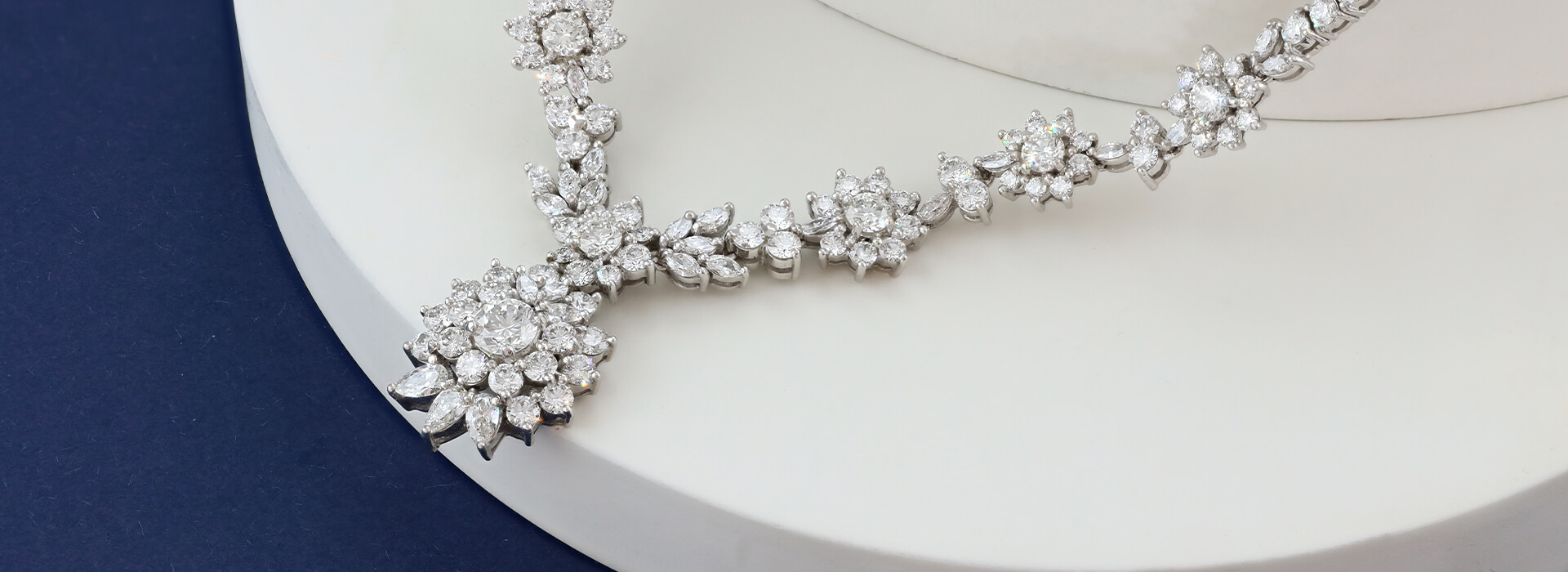
Top tips for creating an earring stack

Many people now have multiple piercings in each ear. This means you have more opportunity to build your earring collection and wear various earrings together to create different combinations to suit your outfit or mood.

Curating your earring stack is a great way to showcase your style and creativity, so try to experiment with a variety of different earrings to create a bespoke collection.

When it comes to creating the perfect earring stack, there are a few things you might want to consider.

Metal colour

Sticking with the same metal, for example sterling silver or yellow gold, for all your earrings can create a uniform and cohesive look. Alternatively, try mixing metals for a contemporary, trendy jewellery look.

Size

Ensure that all the earrings in your stack sit well alongside each other, with no overlapping will mean your earrings will look and feel comfortable.

Variation

To keep your ear stack interesting, why not explore including different textures, gemstones and styles of earrings. This can help to create a really unique ear jewellery collection that will spark conversation.

Final Thoughts

Adding a pair of stud earrings to your jewellery collection can help you add the finishing touch to your outfit. By selecting earrings that work alongside your other jewellery pieces and reflect your personal style.

Try to select a few pairs to add variety to increase your versatility, so you can choose between simple or statement, colourful gemstones or more classic pearls or diamonds depending on your outfit or the occasion.

Need help finding the perfect pair of stud earrings?
Get in touch with our specialists who can help you select new or vintage stud earrings.

Wedding Necklace Styles for Every Bride

Now you’ve said ‘yes to the dress’, it’s time to find the perfect necklace to compliment your wedding dress for the Big Day.

Choosing your wedding jewellery can be daunting, so we’ve put together a guide to help you select a wedding necklace that matches your gown, your wedding and engagement rings and your overall wedding theme.

How to choose a necklace that compliments your wedding dress

To create a cohesive look, it’s important to find a necklace that compliments the design and style of your wedding dress. One of the biggest things to consider when choosing your necklace is the neckline of your wedding gown.

Sweetheart, strapless or off the shoulder

Necklaces that sit on, or around your collarbones can help to enhance a sweetheart, strapless or off-the-shoulder gowns, as this will help frame the décolletage elegantly.

A choker style necklace can also mimic the strapless neckline beautifully and is a great option for this style of wedding dress.

V Neck

Pendant or drop necklaces follow a ‘V’ neck’s natural angularity and can help to accentuate the clean lines of your dress. Similarly, visually it helps to direct the eye to the neckline and creates a clean silhouette.

Back-less

Modern brides may opt for a backless style dress, and this is a perfect excuse to try something more experimental with your wedding necklace. Opting for a necklace that has the detail on the back, like a back-drop style necklace, can help to enhance backless wedding dresses and add even more focus to the backless detail.

High Neck, halter neck or one-shouldered dresses

If you have a high or halter neck wedding dress, or an asymmetric, one-shouldered dress, you may want to instead focus on statement wedding earrings, bracelets or bangles to avoid the necklace trying to compete with the neckline.

What kind of necklace should brides wear?

When it comes to finding your wedding necklace, there are many styles and designs to choose from, from traditional to contemporary, simple or statement.

Classic Pearl Necklace

A pearl necklace is a classic choice when it comes to wedding necklaces. Pearl necklaces are a timeless option, and can complement traditional and modern wedding dresses.

Pair your pearl necklace with some simple pearl stud earrings to create a complete look.

Statement Necklace

Create a contemporary look with a statement necklace. Structured, chunky or angular necklaces can help to create a real focal point.

Statement necklaces look best with strapless dresses or dresses with less embellishment, so the statement necklace can be the centre of attention.

Name Necklace

What’s in a name? If you are choosing to change your name once you are married, it’s a fun idea to get a name necklace with your new surname for the evening.

Alternatively, choosing an diamond set initial pendant necklace featuring your future spouse’s initial, or your new married surname initial can be a stylish and sentimental nod to your new married name – a definite conversion starter!

Locket Necklace

For a sentimental option, a traditional locket pendant allows you to add a photograph of you and your future spouse and hold them close to your heart. You can also add a photograph from your wedding in there afterwards, as a lasting memory that you can carry around with you.

Lockets

Lockets

Buy this locket £650

Something Blue

Jewellery is a great way to incorporate your ‘something blue’ tradition in a way that matches their style and wedding theme. Choosing a sapphire necklace can subtly nod to something blue, while also acting as a beautiful piece of bridal jewellery.

Layered Necklace

Some brides opt to layer multiple necklaces of different lengths for a unique look. This works best with deep ‘V’ neck dresses, as you can really vary the length of chains you wear, layering choker style necklaces and longer chains too.

Varying the thickness and even style of the chains can create a really nice textured look. The layered look is best paired with a more simple wedding dress to avoid creating a very busy look.

Vintage necklace

Choosing a vintage necklace will ensure you have a unique necklace that is on-of-a-kind and steeped in history. Vintage, or vintage-style necklaces suit more traditional or period-themed weddings perfectly.

Finding a vintage necklace for your wedding can serve as your ‘something old’ and your ‘something new’, as although it is old, it’s new to you!

Gemstone necklace

Although many brides-to-be have classic diamond engagement rings, if your ring features a different, colourful gemstone, like Ruby or Emerald, why not match your wedding necklace to your engagement ring? Choosing a vibrant, colourful gemstone necklace can help tie your engagement ring into your overall look.

Alternatively, picking a gemstone that matches other elements of your wedding, like the overall colour scheme, your bridesmaids dresses or floral arrangements can help to create a cohesive colour story for your wedding.

1.52ct Marquise Ruby & Round Brilliant Cut Diamond Open Circle Pendant 1.19ct Round Sapphire & Round Brilliant Cut Diamond Open Circle Pendant 1.42ct Oval Aquamarine & Round Brilliant Cut Diamond Cluster Pendant
1.52ct Marquise Ruby & Round Brilliant Cut Diamond Open Circle Pendent 1.19ct Round Sapphire & Round Brilliant Cut Diamond Open Circle Pendent 1.42ct Oval Aquamarine & Round Brilliant Cut Diamond Cluster Pendant
 £2,995  £2,750  £3,150


What to consider when choosing your wedding necklace

Alongside your wedding dress style, there are many other factors you may want to consider when it comes to choosing your perfect wedding necklace.

Wedding theme

If you have decided to go for a specific theme for your wedding, it’s a good idea to ensure that your wedding dress and accessories match this style.

If your theme is 1920s glamour, you might want to look for a graphic art deco necklace design. Modern, minimalist weddings may lend themselves more to sleek, simple chain necklaces.

Dress details and embellishment

Another thing to consider when selecting your bridal jewellery is the overall look of your wedding dress, including any key details or embellishments. If your dress is heavily embellished, with sequins or beading, you might not want to detract attention away from this with an overly detailed necklace.

If your dress has any details, like a belt or patterns, make sure to consider this when choosing your additional accessories, like bags and of course jewellery.

Metal choice

We recommend matching your wedding necklace to your wedding band metal and your wedding dress tone.
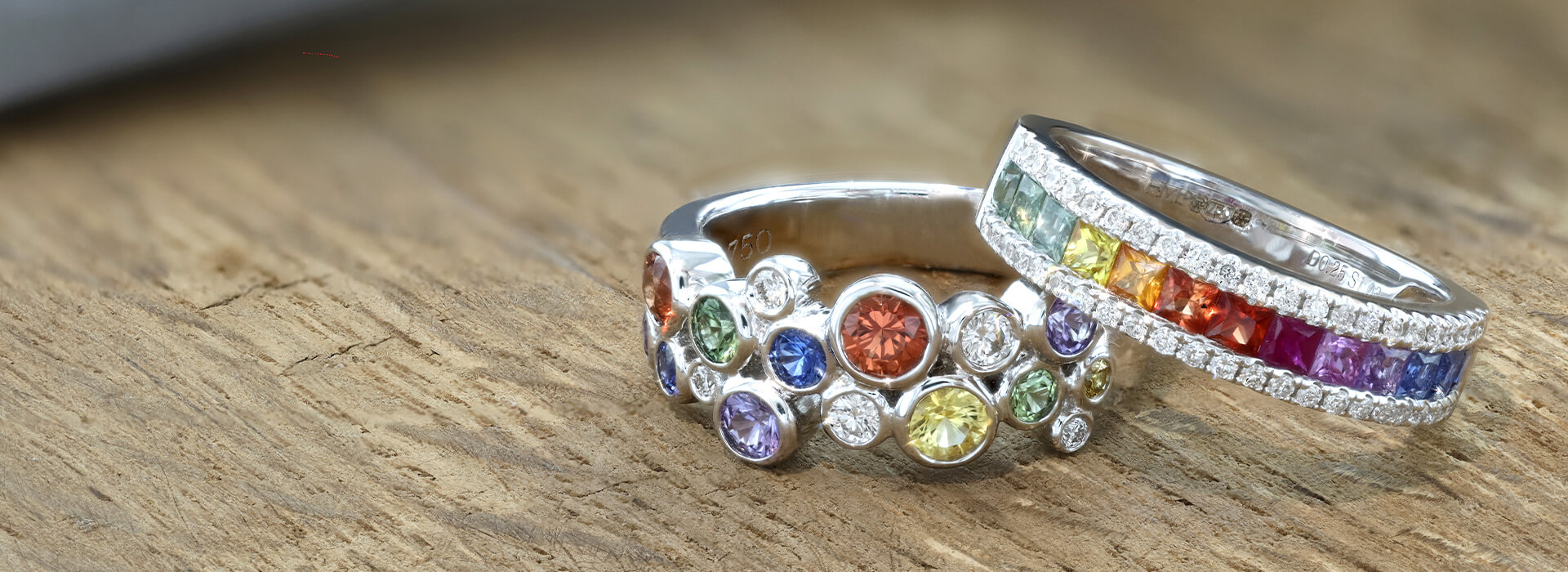
For example, if your dress is brilliant white, or oyster grey, silver and white gold will work well, whereas if your dress is ivory or champagne, gold will bring out the warm tones.

Similarly, if your wedding and engagement rings are yellow gold, you may want to match your other wedding jewellery by opting for the same metal. However, if you are opting for a mixed metal approach, feel free to pair yellow, white or even rose gold together to create a contemporary bridal jewellery look.

Mixed metal pendent

Mixed metal pendent

Buy this pendent £3495

Other jewellery

If you are thinking of wearing statement drop earrings or bangles on your wedding day, ensure that your necklace compliments these other pieces. Try not to overdo your jewellery stack as this can be distracting or uncomfortable on your big day.

Final Thoughts

When it comes to finding your ideal wedding necklace, selecting a necklace that helps to accentuate your wedding dress, matches your wedding theme and expresses your personal style will help to ensure that you look and feel amazing on your wedding day.

Finding it hard to find your perfect wedding necklace?

Why not treat yourself to a bespoke necklace. Find out more about our bespoke jewellery design service.

Turquoise Jewellery Pieces to Brighten your Look

Turquoise is a brilliantly blue gemstone that is instantly recognisable with its distinct and unique veining in various shades from bright whites to deep green. A bold yet timeless stone, turquoise makes the perfect addition to your jewellery collection.

In this article, we will look at the history of turquoise and how and where it is formed, as well as the deeply symbolic meanings turquoise has to many cultures, past and present. We will also give you our top tips and tricks on how to wear and care for your turquoise jewellery, to ensure that you can enjoy your new jewels for many years to come.

How is Turquoise formed?

This unique, brightly-colored stone is formed when water that contains copper or aluminium leaks through a rock. The veins created by this mineral-rich water slowly turn into turquoise over many years, and the web-like pattern created in the turquoise is dependent on what material the ‘host rock’ is.

This means every turquoise has its own unique pattern, making for beautifully bespoke gemstones everytime. This natural ‘matrix’ pattern and bright blue colour makes it very hard to mimic successfully, so it’s quite easy to spot fake turquoise. If a stone looks too uniformly bright blue, you may want to check that it’s real. Embracing the naturally occurring variations and patterns are part of the charm of real turquoise.

Turquoise is very porous, so in order to improve its longevity, commercial turquoise often goes through a process to stabilize it. Historically, beeswax was used to fill the pores in the turquoise gemstone, although more modern practice involves injecting a colourless resin into the turquoise. This process improves the strength and hardiness of turquoise used in jewellery, making it suitable for everyday wear.

Symbolism and meanings of turquoise

Though it takes a long time to form, turquoise gemstones have been around since around 3000 BCE. There is evidence of turquoise being used in many different cultures, as far back as the Ancient Egyptians and in Aztec, Navajo and Mayan cultures, too.

With its bold blue colour, this sacred stone has strong ties to nature, namely to the sky and water. In Egypt, turquoise is associated with the goddess of the sky, Hathor. Throughout history, turquoise has been used in ceremonies and rituals, said to represent heaven and help passing to the afterlife, often adorning burial tombs and even the burial mask of Tutankhamum!

A powerful talisman, turquoise is deeply symbolic to many cultures, often known as a healing stone that promotes peace and tranquility for its wearer. Calming and soothing, turquoise gemstone jewellery can help you to stabilise energy and emotions, perfect to ground feelings of anxiety.

Turquoise is also the birthstone of December and of the star sign Saggitarius , making a piece of turquoise jewellery the ideal gift for your December-born friends or family members.

How is turquoise sourced?

Turquoise has been found all across the world, from China (this largest producer) to Mexico.

Unfortunately, many turquoise mines have been closed down over the past few decades. This is down to a multitude of reasons, from the rising costs of mining, increased government regulations to improve safety of miners and the sheer popularity of turquoise leading to over-mining.

This means that turquoise jewellery is becoming even more rare and precious, making it a great, timeless investment piece, and a staple in any jewellery collection.

We recommend looking for antique or vintage pieces. Not only is this a sustainable and stylish solution, it’ll also ensure you have a unique, statement jewellery item that no-one else will have.

Shop vintage and antique turquoise jewellery

How to wear turquoise jewellery

Due to its vibrant nature, turquoise sits beautifully in both cool and warm toned metals, so you can choose from silver, white or yellow gold settings for your jewellery. That means you can choose jewellery that suits your style and existing jewellery collection.

As turquoise is a softer stone, avoid wearing jewellery directly next to your turquoise pieces to avoid scuffing or scratching. Instead, make a statement with your turquoise jewellery and wear it alone.
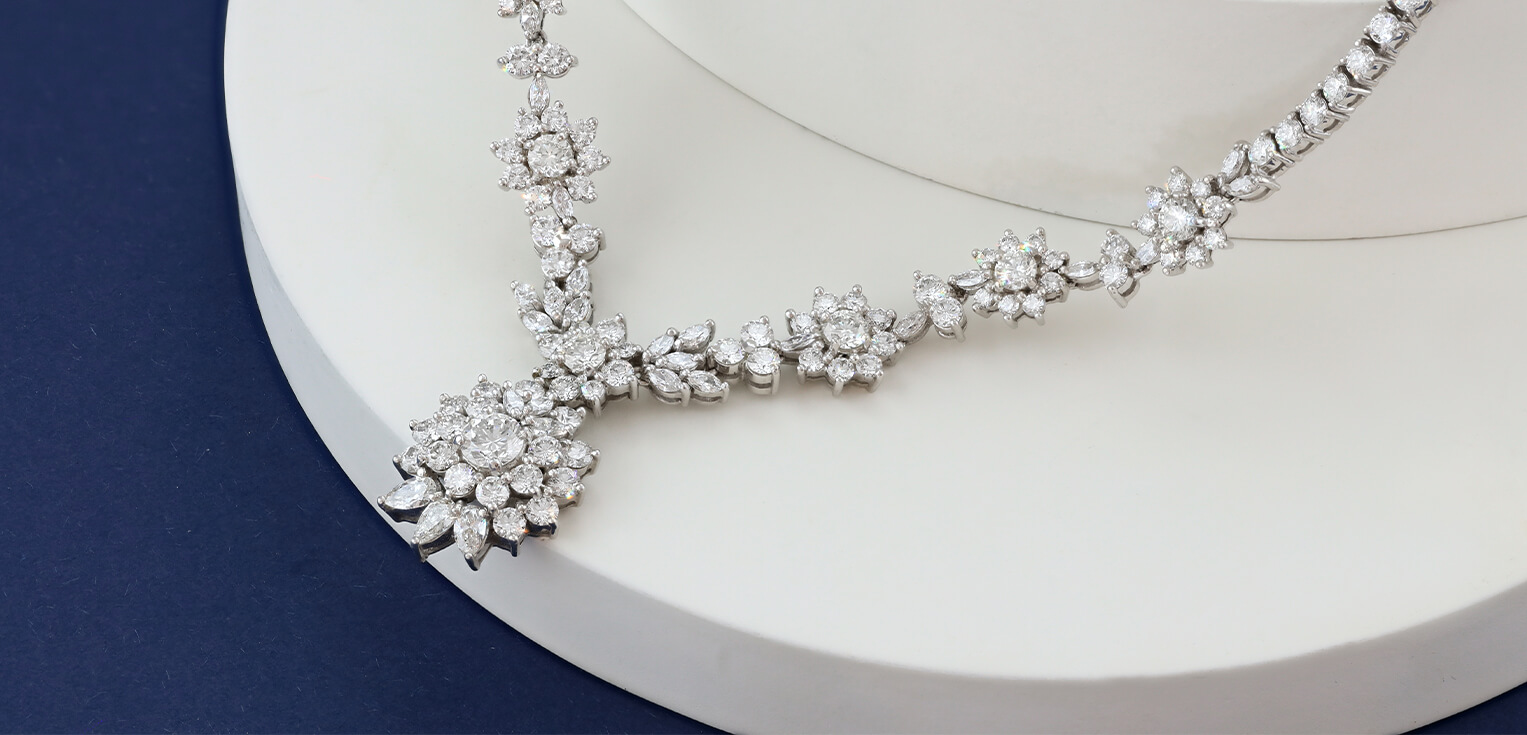
Turquoise is a versatile gemstone that can be worn with casual or formal outfits. Paired with simple, classic outfits like a crisp white shirt and jeans can make a statement and stand out, or worn with a sophisticated little black dress for formal occasions can add a striking pop of colour.

With turquoise long-standing popularity across the world, there are lots of different styles that turquoise gemstones suit. From graphic Aztec designs, to 1920s ‘Egyptomania’ inspired art deco pieces, turquoise adds a bright element to a plethora of designs, and is a timeless jewellery addition to your collection.

Taking care of your turquoise jewellery

On the Mohs hardness scale, it sits at around 5 or 6 out of 10, making it slightly harder than window glass. While this means it is easier to cut and carve into intricate shapes and jewellery designs, in gemstone terms, turquoise isn’t as hardy as diamond, for example.
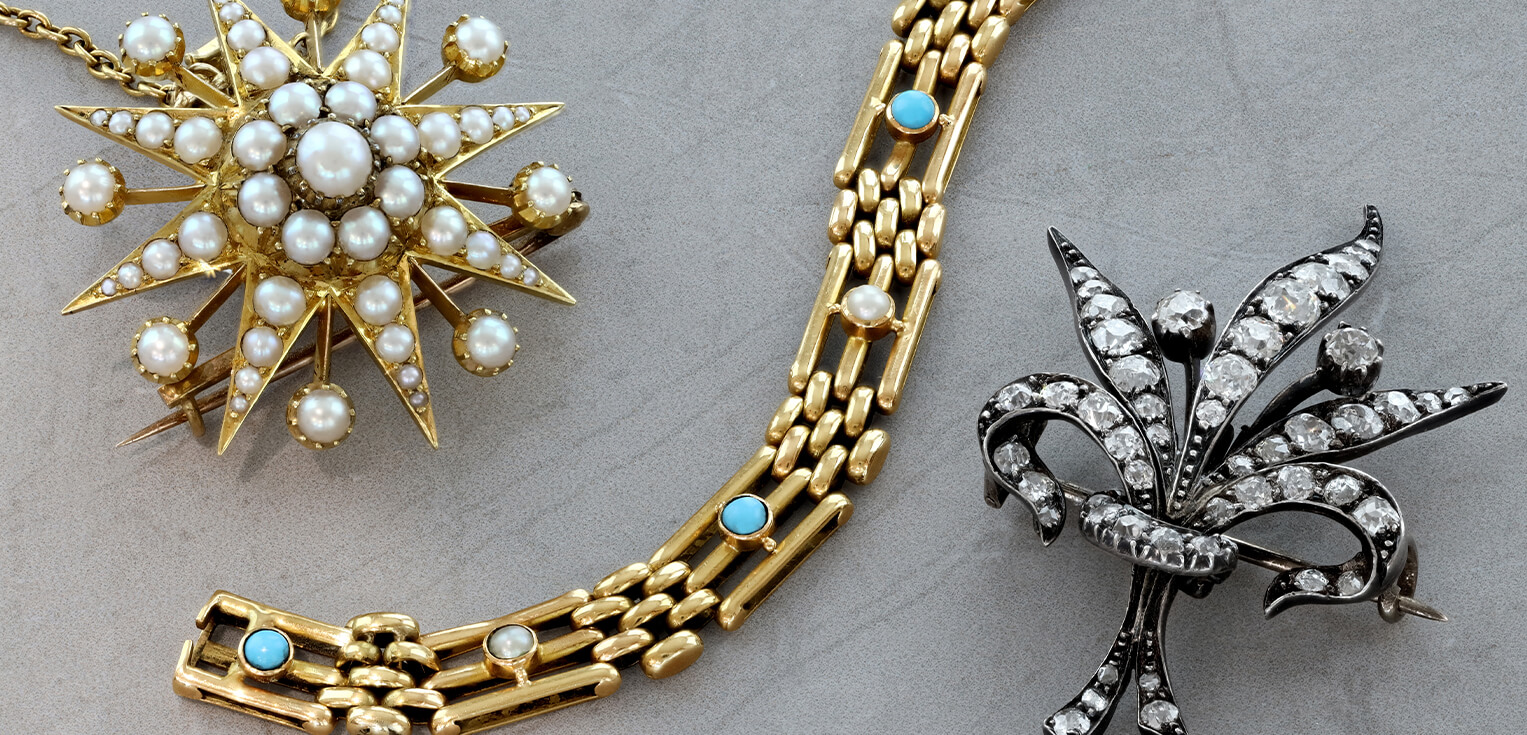
That means it is perfect for earrings or pendants, though you might want to be a little bit careful when it comes to rings or bracelets, as turquoise can suffer from scratches or knocks.
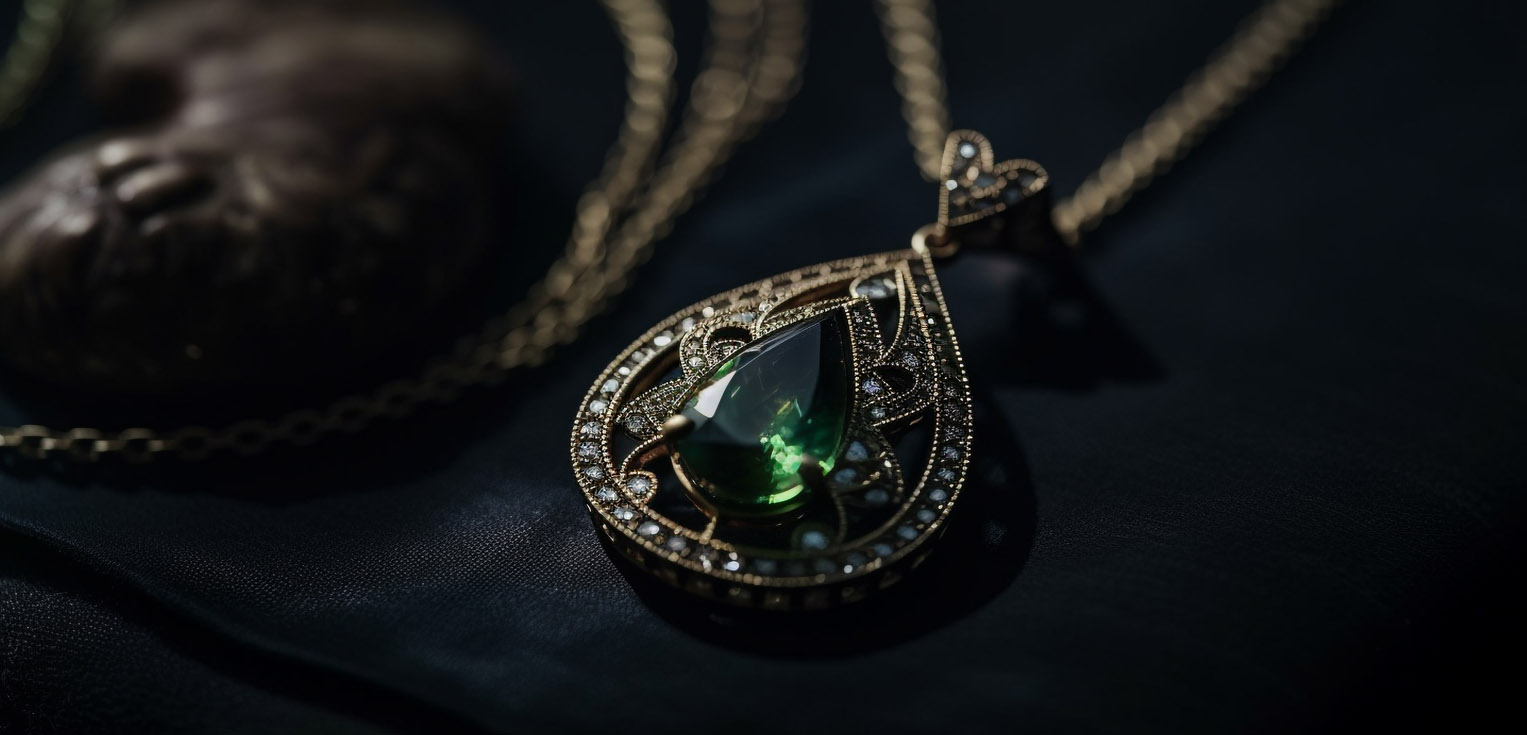
Though it is ok to wear your turquoise jewellery every day, it’s important to take proper care of your jewellery in order to keep it strong and shining.

We recommend avoiding getting your turquoise jewellery wet, taking it off when washing your hands, showering or swimming. If your turquoise jewellery does get wet, don’t worry. Just aim to dry it off as soon as possible.

As with all jewellery, we recommend taking it off before bed and storing it out of direct sunlight. Avoid getting any harsh chemicals or perfumes on your jewellery, as this can cause discolouration or deterioration over time.

Final Thoughts

With its vivid, vibrant colour and rich sacred symbolism, turquoise is a gemstone that is steeped in history and meaning. Formed over millions of years, turquoise is a timeless choice to add to your jewellery collection in a statement or subtle way.

Planning the Perfect Engagement Party

Wondering how to plan the best engagement party? Many newly engaged couples plan a post-proposal celebration to mark the occasion ahead of the Big Day.

Much like planning the perfect proposal, hosting and organising an engagement party requires some key considerations when it comes to venue and date. However, when it comes to the finer details, like who is supposed to host and pay for the engagement party, things can get a bit more complicated and confusing.

In this article, we will take you through the steps to planning the perfect engagement party and answer all the questions you may have about party planning.

What is an engagement party?

Put simply, an engagement party is a celebration of the new engaged couple! They give the couple’s friends and family the chance to toast the occasion and offer a perfect opportunity for those who will be attending the wedding to meet in a more casual setting ahead of the Big Day.

Often, engagement parties are held soon after the proposal to extend the excitement. Usually, they’ll be around two to three months after the question is popped.

As wedding planning can take many months, an engagement party is a lovely way to extend the post-proposal bubble and excitement and celebrate with your nearest and dearest.

How to plan an engagement party

Here are our top tips to take the stress out of engagement party planning.

Decide who is hosting

Traditionally, the Bride’s parents would host, and pay for, the engagement party for the soon-to-be-wed couple. This is rooted in a time when the Bride’s family would host the soiree at their home, and it would be a chance for the two families to meet, sometimes for the first time.

Just as relationships and wedding traditions have changed, contemporary views on who pays for the engagement party have evolved, too.

Many modern couples now decide to host and fund their engagement party themselves. This allows them to have more control over the party, just as theme, guestlist and budget, letting them plan a party that is truly reflective of them as a couple.

Whether it’s a family member or the couple themselves, it’s important to decide who is hosting the engagement party early on in the planning process, as it will help to inform many of the next steps.

Pick a date

Usually the engagement party would be held in the months following the proposal, even if the wedding isn’t due to take place for a while. However, some couples who plan to have a longer engagement may decide to wait a while before hosting an engagement party.

Choosing the perfect date for an engagement party will be individual to the couple. You may want to pick a date that has some significance for you as a couple, like an anniversary date.

If you are flexible with your date, it may be a good idea to find a venue you like and check their availability first.

Make a guestlist

As a general rule, everyone who attends your engagement party should also be invited to your wedding, so keep this in mind when putting together your guestlist.

This can help you to stay focused and relieve the pressure to invite people because you think you should. Instead, think about the people who mean the most to you and who you want with you as you embark on an exciting new chapter in your relationship!

Find a Venue

Now you have an idea of how many people you want to attend, you can look for venues that accommodate that many guests. Popular engagement party venues include pubs, bars or restaurants, though depending on the size, some are still hosted in a home.

As engagement parties tend to be less formal than the actual wedding will be, you have more flexibility when it comes to finding a venue, and can choose somewhere unusual or unique.

Try to consider how accessible the venue is, and understand what transport and parking options there are, as this will help your guests travel to the party and increase the chances of ‘yes’ RSPVs.

Create a wedding email address

It is worth considering creating a wedding specific email address that can be used when contracting any wedding related contractors or contacts. Try using ‘thesmithwedding’ or use both your names.

Setting this up ahead of your engagement party will mean you can use this to collect and keep track of your RSVPs, can help with future wedding communications and keep all wedding related emails together, without getting lost in or cluttering up your usual inbox.

Design and send invitations

With your date, venue and guestlist set, it’s time to tell people when and where the party is taking place. Sending invitations out as soon as possible, with plenty of time before the event is taking place will mean people can arrange travel and book hotels if necessary.

Your engagement party invites don’t have to be in keeping with your wedding theme or how you plan your wedding stationary to look. We suggest keeping engagement party invites simple, with a sleek, chic design that captures all the important information.

Be sure to include details on how to RSVP (maybe using the new email address you’ve set up!) and, most importantly, a deadline for RSVPs, as this can help you best prepare.

Choose what to wear

Generally, engagement parties won’t have a strict or super formal dress code, but guests can be expected to wear cocktail attire or dress up a little bit to suit a party atmosphere.

For the couple, it’s a chance to wear show-stopping outfits and be the centre of attention. Many brides-to-be choose to wear white to their engagement party, for a nod towards their wedding dress. Other popular colours include light colours, like pale pink or cream, or metallics, like silver or gold. It’s a good idea for financés to treat themselves to a manicure, as guests will want to admire the beautiful new engagement ring!

Grooms may choose a smart outfit, which may include a blazer and dress suit, or even opting for a full suit. Grooms may want to take this opportunity to invest in a special pair of cufflinks for their engagement party. These could even be reworn on the wedding day!

Most importantly, the couple should dress how they are comfortable in outfits that make them feel amazing.

Final Thoughts

Ultimately, planning the perfect engagement party should be an exciting time for the newly engaged couple, so keeping it simple and following these key steps can help ensure that it is a stress free process – allowing the happy couple to enjoy the planning as much as the party itself.

Perfecting your party planning early with your engagement celebration is also a great practice run for wedding planning, too!