When it comes to jewellery marketing, brands will often make bold statements to help differentiate them from the competition. But it can be hard to trust every single claim you read – especially when many of them use the same supposedly unique selling points (USPs).
In this guide, we will help you to spot marketing claims that might not be what they seem, the truth behind them, and what to look for to help provide you reassurance when looking for your next special jewellery purchase.
Diamonds are a girls best friend
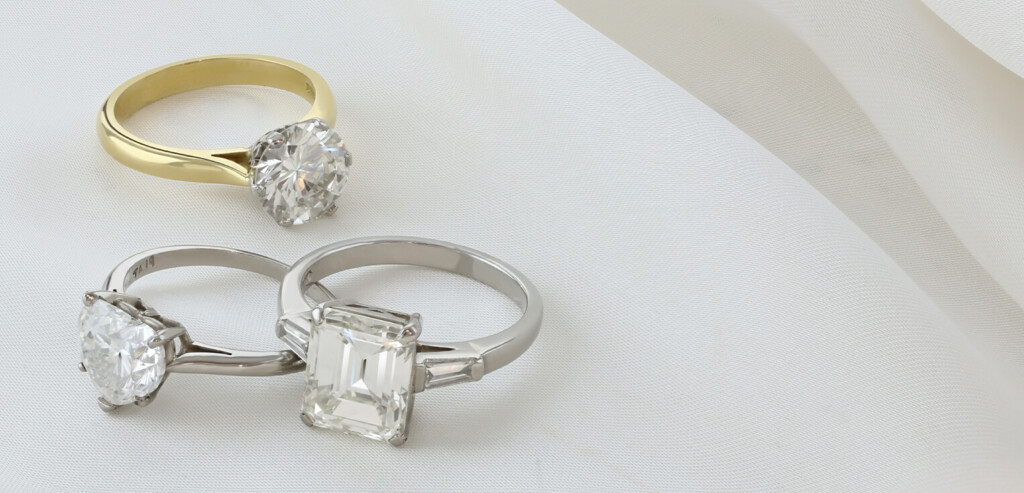
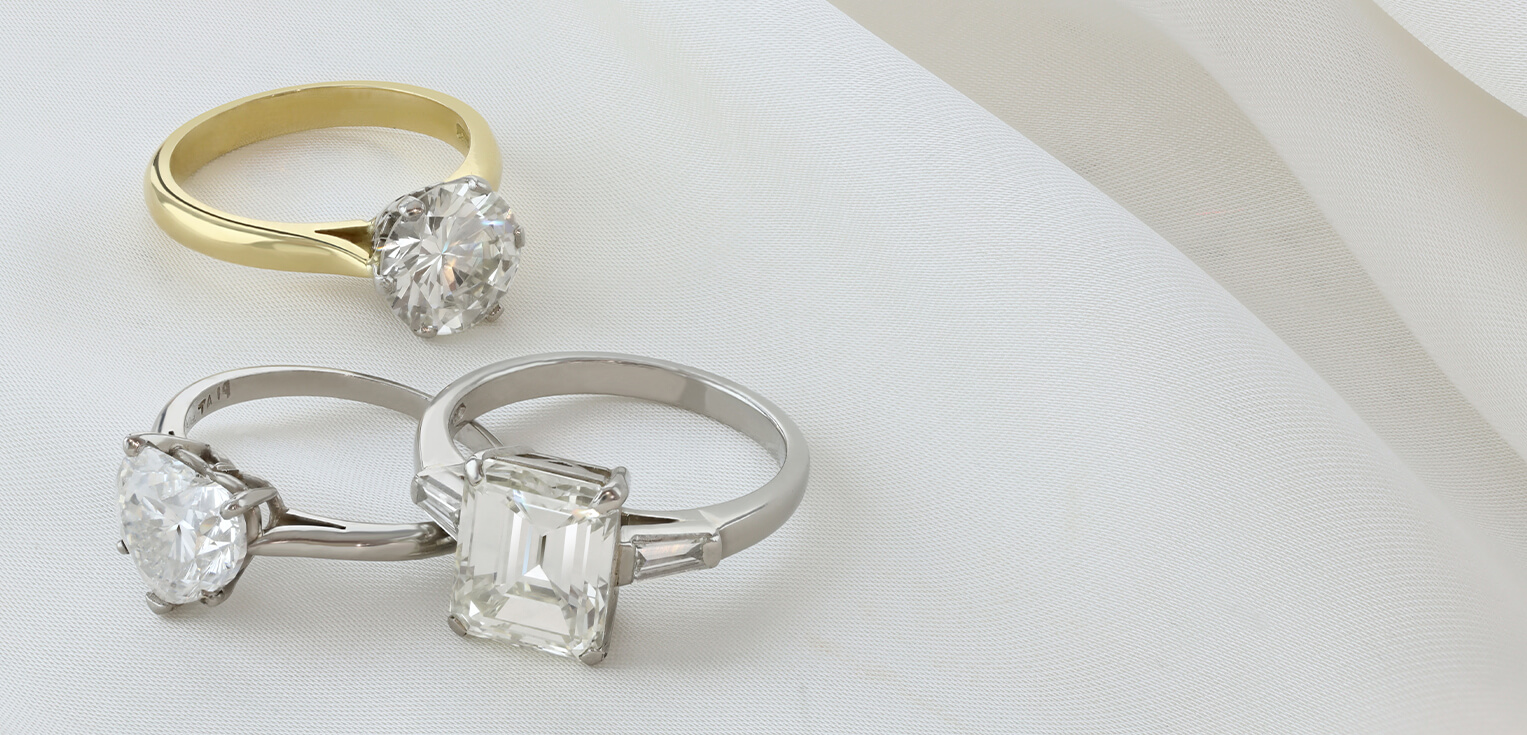
Often the emphasis is put on diamonds being the only worthy option, especially when it comes to engagement rings!
What’s the truth?
Diamonds are the hardest gemstone on earth – a 10 on the Mohs scale, meaning they make a good option for a special piece of jewellery.
However, there are many other gemstones that are heard enough to survive everyday wear-and-tear, and are just as beautiful. Rubies and sapphires have a Mohs rating of 9, just lower than diamonds, while topaz and emeralds aren’t far behind at an 8.
You should spend 3 months salary on an engagement ring
Another engagement ring specific marketing myth is that engagement rings should cost 3 months salary. This claim was first made by De Beers in a marketing campaign back in post-war America, when it was actually just one month’s salary. Over the years, this grew to two months, and then three months by the 1980s!
What’s the truth?
In reality, there is no set rule for how much an engagement ring should cost – just like every relationship is unique, so is everyone’s ring budget! While some couples may choose to spend 3 times their monthly income on an engagement ring, others will not. Most couples now focus on finding the perfect engagement ring that fits their budget and their preference, rather than fixating on an out-dated figure.
Gold jewellery is the best option for jewellery (and the most valuable!)
Gold is commonly considered the best metal for jewellery, marked for its strength and assumed value. It is often marketed as better and more premium than other metals, such as sterling silver.
What’s the truth?
Despite its reputation, pure gold is actually incredibly soft – it is easily scratched, bent or dent. On the other hand, pure silver is actually harder than pure gold!
However, gold is usually mixed with other metals, such as copper or nickel to create a stronger alloy, such as 9 or 18 carat gold, which is, technically, stronger than silver.
For many people, though, sterling silver is the perfect choice – particularly those who have a cool skin tone.
Waterproof and Tarnish-Free claims
Many contemporary jewellery brands market their products as being water-proof, and tarnish-free. In doing so, this suggests their customers can wear their jewellery all the time – for example when they’re showering, exercising and swimming.
What’s the truth?
Certain metals, such as stainless steel, or protective coatings, like XX, can provide some extra protection against corrosion or a level of water resistance.
However, nothing is completely indestructible. It is still recommended that you avoid exposing jewellery to sweat or harsh chemicals, like cleaning products or chlorine, even if your jewellery claims to be waterproof or tarnish-free.
Hypoallergenic jewellery
Did you know that nickel is the most common cause of jewellery allergies, affecting around 10-20% of people? There’s no wonder, then, that many jewellery companies use ‘nickle-free’ or even hypoallergenic claims in their marketing.
What’s the truth?
When jewellery is called hypoallergenic, it is usually highlighting that it is made using nickel-free materials. Nickel is sometimes used to harden yellow gold, to create white gold, and is often seen in fashion or costume jewellery. So, hypoallergenic jewellery may be made from stainless steel, titanium, platinum or gold that is 14 carat, or higher!
You must get your jewellery professionally cleaned
Often brands will try and push their own professional cleaning service, often emphasising the fragility of the piece to dissuade against home cleaning.
What’s the truth?
It’s actually really easy to clean your jewellery at home, with household products you probably already have!
That being said, there are some materials you should avoid, for example toothpaste is sometimes recommended for cleaning jewellery, despite it having abrasive ingredients that could actually damage your jewellery.
While regular cleaning can be done at home, you may wish to treat your special jewellery items to a professional deep clean every so often. This can help to maintain them as well as revitalise them for special occasions – giving them an extra level of sparkle and shine!
Greenwashing with ethically sourced and sustainable
With consumers becoming more conscious of over consumption, and opting for more ethical and sustainable choices, brands often make bold claims when it comes to their eco-credentials – from using ethically-sourced diamonds or recycled silver.
What’s the truth?
Often, it can be hard to substantiate sustainability claims – something that some brands can exploit and greenwash customers with vague claims. Make sure to look for clear evidence to back up their claims.
If you want to find jewellery more consciously, the best way is to source antique or vintage jewellery, or to invest in well-made pieces of jewellery, that you look after properly.
Final thoughts
With many jewellery brands making similar claims, it’s important for you to be able to differentiate the truth from the buzzword so you don’t fall for marketing jargon.
It’s important to remember, if it sounds too good to be true, gives you a sudden sense of panic or urgency or makes you feel like you’re doing something wrong…it might just be a marketing claim designed to make you purchase immediately.
Remember to take a minute to consider your options and even do a little bit of research before making your decision so you can avoid being tricked by marketing claims.