Quality jewellery is designed to be worn and enjoyed every day. Fine jewellery is often made with exquisite craftsmanship using the best quality materials and the strongest techniques to ensure you can get the most wear out of your jewellery.
However, even the most careful jewellery wearers will encounter signs of wear and tear to their jewellery, need to get the white gold or silver rings re-plated with rhodium, and in some cases even experience damage to their rings.
In this guide, we will help you identify the early signs that your ring needs to be repaired or re-plated, to avoid any further damage or associated casualties – like losing diamonds!
Signs your ring needs repairing
Check the stone settings
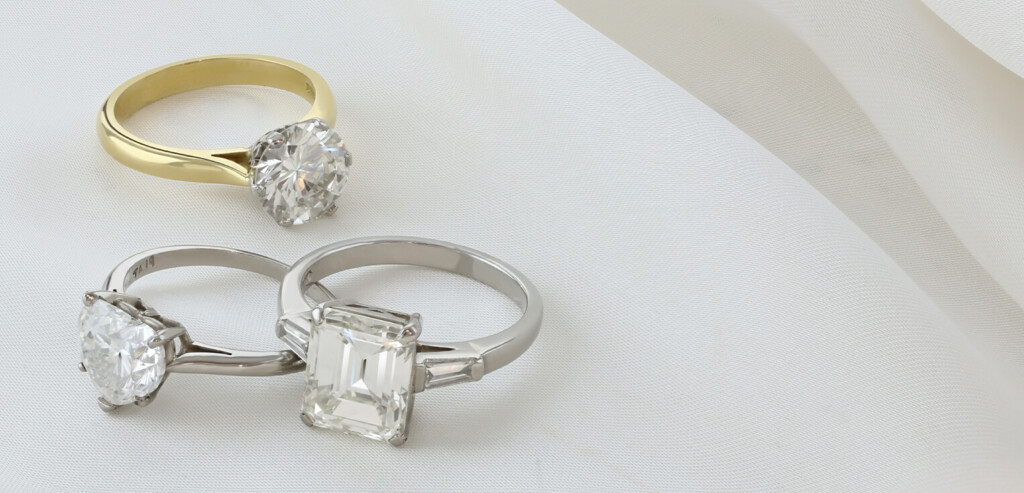
If your ring has gemstones, take a look at the setting that holds it in place on the ring. If you notice any of the prongs are missing, look damaged or are bent, it’s time to book in for a jewellery repair service!
You don’t want to risk the gemstone or diamond falling out and you being unable to find it, so as soon as you suspect the setting may be loose, take it in for a repair. It’ll be far more cost effective to repair your gemstone setting than having to replace the entire stone!
Inspect the band for signs of damage
Next, take a look at the band of the ring. Is it bent? Are there signs of thinning to the metal? Can you see any hairline cracks forming?
Any sign of damage to the band should be taken seriously, as even the smallest imperfection on the band can impact the integrity and strength of the entire ring. It can mean that other parts of the ring overcompensate and take on more pressure, which can result in much more damage.
A jeweller will be able to assess the extent of the damage and select the right repair route to maintain the strength and structure of your ring.
See how the ring feels on your finger
While some signs of damage will be obvious to see, others How does it feel when it’s on your finger? If you feel anything poking into your skin, sharp parts hurting you or your skin slipping into cracks and getting pinched, these may be an indication that it is damaged or needs to be resized.
Your ring should not be uncomfortable to wear, so feeling any discomfort may be a sign that something isn’t right with your ring.
Similarly, difficulty putting your ring on, or taking it off, can also indicate that it is not the right size. Getting your ring resized to fit your finger perfectly
However, finger sizes naturally fluctuate in different temperatures. You want to avoid multiple resizes, for example, getting your ring resized every season, as repeat resizing can weaken the overall structure of the ring. Instead, consider your finger size range when getting it resized, and pick the size that best fits your average finger size.
Listen for unusual noises and rattling in your ring
Another sense you can use to help decide if your ring needs repairing is your hearing. Are there any unusual sounds, like rattling or clicking? This may indicate something is loose or there is a crack forming.
Signs your rings rhodium plating needs redoing
As white gold is an alloy metal made with yellow gold mixed with silvery metals like palladium, silver or nickel, rhodium is used in white gold to give it a cool-toned appearance and make it strong enough for everyday wear.
Rhodium is also used in sterling silver jewellery to increase durability, reducing scratches from day-to-day wear and can also provide some protection against tarnishing.
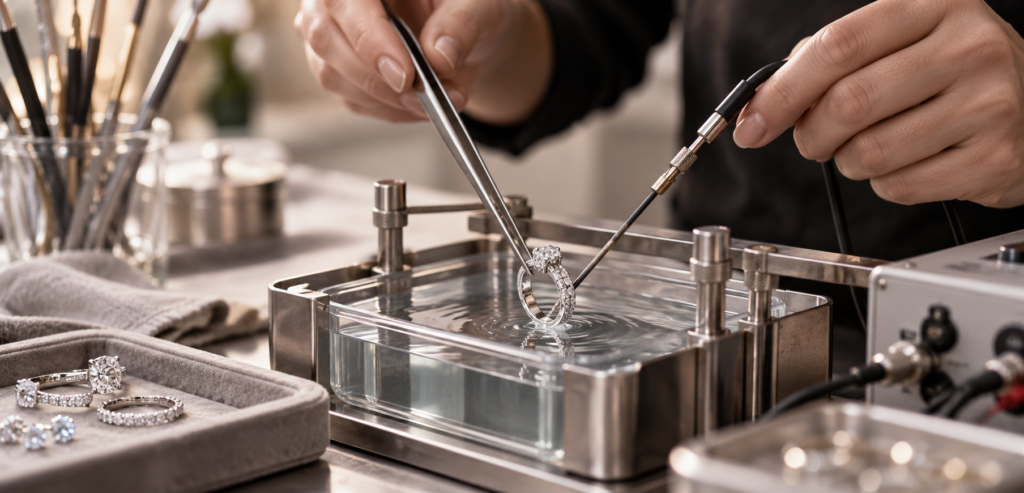
Usually, rings with rhodium plating will need to be replated every 12 to 18 months due to general wear and tear. However, there are some signs to look out for that can help you determine if it’s time for your rhodium-plated ring to be replated.
Dullness
Part of the appeal of rhodium plating is the brilliant brightness that it gives silver or white gold jewellery. If you begin to notice it looking more dull and less shiny, it’s time to get your ring replated.
Yellowish hues
If white gold rings start to have a warm-toned tinge and are looking more like yellow gold, you can bring back the icy tones with rhodium plating.
Discolouration or inconsistent colour
Patchy or uneven colouring on your ring can be corrected with rhodium plating, restoring your ring to its even silvery finish.
Looking after your jewellery
Once you’ve had your ring repaired or replated, it’s a good idea to take stock of how you look after your jewellery, and see if there are any ways you can improve the way you store and maintain your ring to prolong its lifetime and prevent future repairs.
- Store in a cool, dry place, like a jewellery box. Avoid keeping your jewellery in direct sunlight and don’t forget to protect your jewellery when travelling, too.
- Remove your ring when using harsh chemicals, like cleaning products or chlorine. These can pose a threat to the integrity of the metal and even lead to erosion.
- Take your ring off when you swim, shower or bathe. Even the highest quality gold can show signs of wear when exposed to water.
- Leave your ring at home or in the changing room locker when you’re exercising to avoid damage to it, or to you!
- In between rhodium plating services, clean your silver jewellery at home, with simple household cleaning products! A build up of dirt can weaken your ring and cause damage.
Final thoughts
Looking after your rings by spotting the early signs of damage and booking in for maintenance, repairs or replating can extend its lifetime, giving you many more years to wear and enjoy your ring.
Working with a trusted jeweller to restore your ring to its original glory, then making sure to look after it between visits will mean you avoid costly or potentially devastating loss of gemstones or diamonds or damage beyond repair.